REVIEW · CANCUN
Birds of the Mayan World 2 / Route of the cenotes
Book on Viator →Operated by Gills Bioexperiences · Bookable on Viator
Birds are easier to find when you’re walking the right trails. This private outing in the Riviera Maya focuses on bird watching in Quintana Roo, with a strong push for low-impact tourism and careful attention to the plants that support the birds. And because the guide brings botany and habitat know-how into the walk, the scenery feels connected instead of random.
Two things I really like: the tour is built around real sightings, not just a general nature walk, and you get a guided checklist workflow that helps you keep your bird list organized (José handles the eBird entry and shares it afterward). The main drawback to consider is timing: bird activity can slow down later in the day, so if you want the most action, you’ll want to choose your departure time with intention.
In This Review
- Key things to know before you go
- How this birding tour fits the real Riviera Maya (not the hotel zone)
- The 4-hour flow: what you’ll do from pickup to return
- Riviera Maya trails: where toucans and jungle birds show up
- José Gil Paz Gutiérrez: the guide style that turns a walk into a bird list
- Evening vs. daytime: when bird activity changes
- What about the cenotes connection?
- Low-impact tourism in practice: how it changes what you see
- Food, pace, and comfort details that actually matter
- Who should book this birding tour?
- Practical value: what you get for your time
- Should you book Birds of the Mayan World 2 / Route of the Cenotes?
- FAQ
- Where is the meeting point?
- How long does the tour last?
- Is there pickup?
- Is the tour private?
- What language is the tour in?
- What fitness level do I need?
- Will I be able to use an eBird checklist?
- What if the weather is bad?
- What is the cancellation policy?
- What ticket do I get?
Key things to know before you go
- Private group outing: only your group participates, so you’re not stuck listening over crowds.
- eBird checklist support: the guide logs in real time and sends the results at the end.
- Spotting in thick brush: a laser pointer is used carefully so it points without stressing birds.
- Endemic species focus: the walk is set up to maximize chances in local habitats.
- Mayan plant context: you’ll hear how local plants relate to Mayan uses like rituals, medicine, and cooking.
- 4 hours on moderate paths: expect walking that’s doable, but not a sit-everywhere tour.
How this birding tour fits the real Riviera Maya (not the hotel zone)
If you’ve spent any time around Cancun’s hotel strip, you already know the vibe can be very… designed. This tour pulls you away from that and into the working ecology of the Riviera Maya near Puerto Morelos. The emphasis is straightforward: you’re going to trails with biodiversity, and the guide keeps the focus on birds while still explaining what you’re standing inside of—trees, understory, and all the small life that makes birdlife possible.
What makes it special is the way the guide treats bird watching as a system. Birds aren’t just flying dots. They’re tied to where insects are, where fruit and flowers are, and how water and shade shape the habitat. When the guide can connect those dots, you start “seeing” the place, not only the birds.
It’s also a good pick if you care about how tourism affects nature. The tour description specifically mentions low impact practices, which usually means slower pacing, careful handling around plants, and staying mindful about not pushing wildlife.
You can also read our reviews of more tours and experiences in Cancun.



The 4-hour flow: what you’ll do from pickup to return
The tour runs about 4 hours, and it ends back at the same meeting point. Pickup is offered, and it’s an English-language tour, so you don’t have to “wing it” with the logistics once you’re on the ground.
A practical way to think about the schedule: you’re not doing one landmark and calling it a day. You’re walking a route through the area’s habitat zones, using short stops when birds show up and using the guide’s tools and technique when birds are hidden. That rhythm matters. Bird watching improves when you can pause, scan, and re-check spots instead of sprinting forward.
The walking is described as moderate fitness. Translation: you can do it without being an athlete, but you should be comfortable on uneven paths, staying upright through a few longer stretches, and keeping your attention on the guide while you look through binoculars.
Riviera Maya trails: where toucans and jungle birds show up
This experience is built around bird watching in the Riviera Maya of Quintana Roo. The goal is to move through habitats in a way that increases your chance of spotting birds, including endemic species.
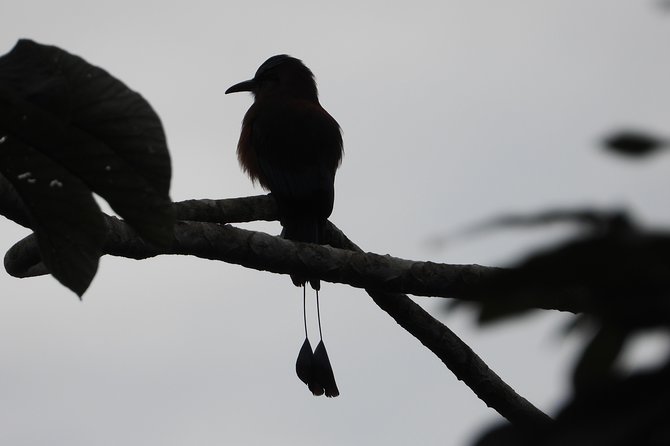
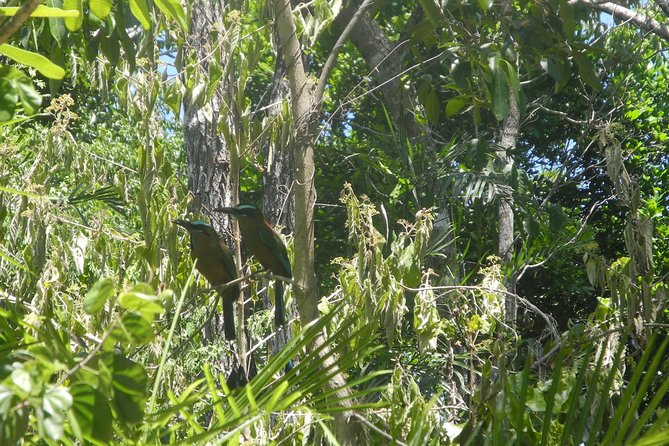
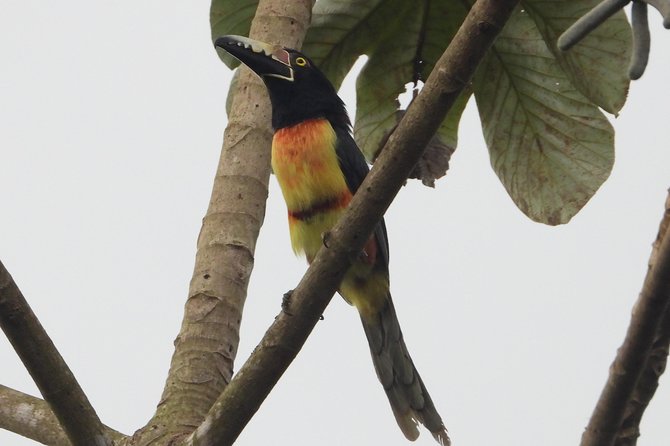
In the thick Caribbean-side forest and scrub edges, birds often look impossible until you know what to scan for. That’s where José’s approach comes in. He uses careful pointing and guidance to help you track birds in brush, and he’s attentive to how the bird behaves—whether it’s feeding, calling, or moving between perches. One solo birder described the toucan experience as a real highlight, with close, memorable views that happened because the guide knew how to work the sightlines.
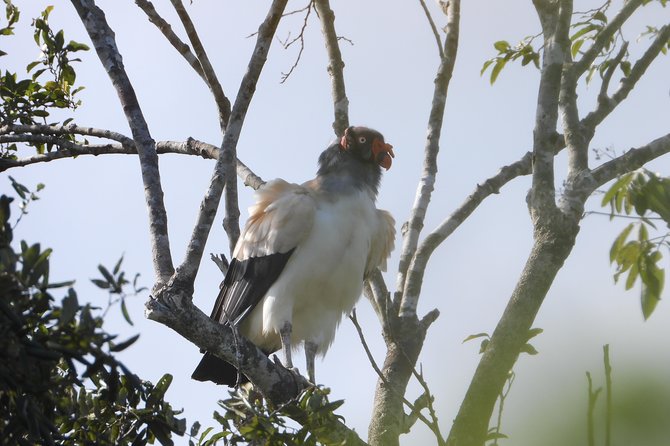
Even when birds aren’t exploding into view, you’re still likely to find activity: calls that lead you to the right tree, movement that turns into a silhouette, and then a clear look once you’re positioned. You should also be ready for weather swings. The tour is weather-dependent, and you may get rainy conditions. When that happens, expect the pace to change a bit and the sightings to be more about patience than volume.
José Gil Paz Gutiérrez: the guide style that turns a walk into a bird list
The standout across the experience is how the guide guides. José is described as knowledgeable about birds, wildlife, and the jungle, and his angle is not only identification. He teaches habitat and plant relationships too.
Here’s what I think makes that valuable for you:
- Real-time eBird logging: the guide takes care of the eBird checklist as you go, and then sends it to you at the end. That means you don’t have to worry about remembering everything correctly while you’re focused on spotting birds through your binoculars.
- Laser pointer technique used with care: thick foliage can hide a bird completely. José uses a laser pointer, but the key detail is how he points: he aims at connecting branches rather than blasting attention at the bird itself. That matters for low-impact birding.
- Mayan plant connections: you’re not just learning bird species. You hear how local plants connect to Mayan rituals, medicine, and cooking. It adds meaning to the walk, especially if you like travel that feels rooted in place.
If you’re a beginner, the guide’s patience is a huge plus. If you’re more serious—someone building a tighter list—this tour can still work because José helps you track and log steadily. Just note that it’s not sold as an all-out race for the most species at any cost. It’s more about quality sightings and good birding method.
Evening vs. daytime: when bird activity changes
One of the most useful things you can plan for is timing. Birding is not static. Later in the day often brings less overall activity than early morning, and that’s exactly what can shape your experience.
The tour has a listed Monday time window (around 4:00 PM to 4:30 PM). That strongly suggests that at least some departures are designed for late afternoon and early evening. If you choose that, you might still have stunning sightings, but you should adjust expectations. Think: fewer birds overall, but potentially strong moments when something feeds, calls, or moves into your scanning zone.
If your priority is maximum bird count, consider scheduling an earlier slot if available. If your priority is a calmer vibe and you can accept slower bird rates, an evening departure can still be excellent, especially with a guide who knows how to read the habitat even when birds are quieter.


What about the cenotes connection?
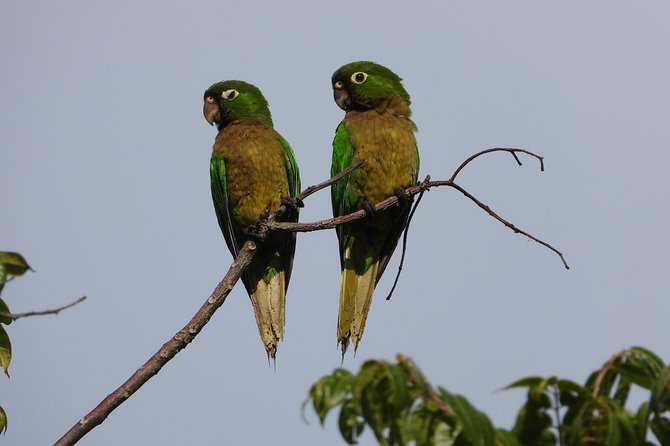
Your tour name references the route of the cenotes, and that matters culturally and ecologically. The cenote landscape is part of the same water-and-vegetation system that shapes where birds feed and roost.
That said, you’re not going into this expecting a swim-and-snorkel experience based on the information provided here. The tour’s core focus is bird watching along trails in the Riviera Maya. So treat cenotes as the broader regional context, not as a promised water activity.
If you specifically want cenote time (bathing, caves, and all that), you’d want to confirm what portion of the route actually includes the cenote sites. For this outing, the birding is the main event.
Low-impact tourism in practice: how it changes what you see
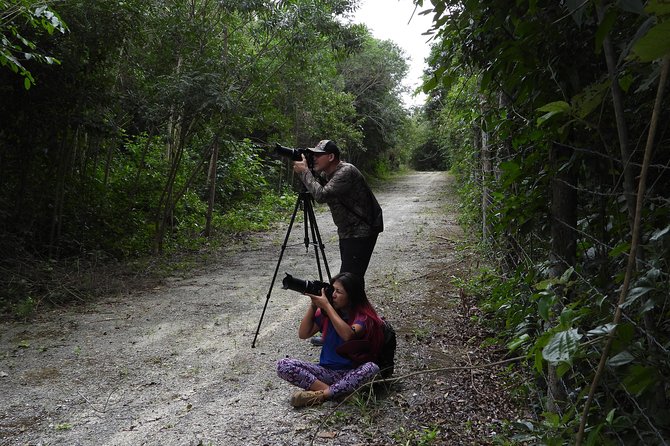
Low-impact isn’t just a feel-good phrase here. It shows up in the way birding has to be done. When you disturb birds, you lose birds. So low-impact methods naturally support better sightings.
In practical terms, that usually means:
- staying quiet and avoiding sudden movement when you get a lead
- keeping attention on the right section of the habitat rather than constantly circling
- limiting pressure on wildlife by using tools that help you see without forcing the bird to relocate
José’s laser pointer approach fits that logic. His method is designed to help you track birds hidden in thick brush while keeping the bird behavior as undisturbed as possible.
If you care about how the experience affects the ecosystem, this is the kind of tour design that respects that trade-off: you get better sightings when you disturb less.
Food, pace, and comfort details that actually matter
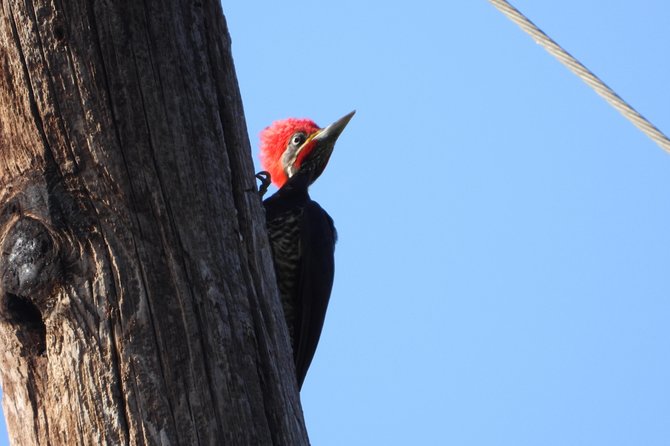
The experience includes food as part of the day, with descriptions mentioning a light breakfast and tacos for lunch. That’s a real value-add because it reduces the number of stops you need to plan around during a short 4-hour window.
Pace is relaxed-to-structured. One person described it as chill birding in the heat, with a walking flow that mixes roads through jungle edges and then finishes with a trail walk. If you want an intense “tick as fast as possible” style, you may find the pace more relaxed than hardcore listers prefer. If you want comfort, good conversation, and patient scanning for quality sightings, the approach should suit you.
For your comfort:
- bring binoculars if you have them, but know the guide’s tools and method will still guide what you see
- wear shoes that handle uneven ground
- plan for weather changes since the tour requires good conditions to run as scheduled
Who should book this birding tour?
This is a great match if you want:
- a private birding experience with no crowd pressure
- strong bird-watching guidance plus plant and habitat explanations
- a guide who supports your list-building with an eBird workflow
- a nature-focused trip that feels respectful and organized
It’s especially appealing for solo travelers who want to feel comfortable and supported in the field. The private setup and local guiding approach help take the stress out of “what do I do next” moments.
It’s less ideal if you want a big-ticket resort-style excursion with guaranteed, nonstop action. Birding depends on habitat and timing. The upside is that with the right guide and method, you can still have unforgettable moments—even when the bird activity isn’t at peak levels.
Practical value: what you get for your time
Since no price is listed here, I’ll judge value by what’s included and how the experience is designed.
You’re getting:
- a 4-hour guided route with focus on bird watching
- pickup offered and return to the meeting point
- an eBird checklist process that helps you record sightings properly
- food support with light breakfast and tacos for lunch
- a guide with botany and Mayan plant context, not just species names
That mix matters. Many bird tours either focus only on identification or only on scenery. This one connects birds to the ecosystem and the human story of plants, so the time feels useful when you’re done, not just fun while you’re outside.
Should you book Birds of the Mayan World 2 / Route of the Cenotes?
If you like birds, want a private format, and care about seeing more than just random animals, I’d say yes—especially if you’re open to a moderate walk and a pacing style that values good spotting over speed.
Book if:
- you want habitat-based birding in the Riviera Maya
- you want a guide who can explain why birds are where they are
- you want your sightings handled with an eBird checklist flow
Consider choosing a different option if:
- you need a guaranteed high volume of birds regardless of time of day or weather
- you’re only interested in cenote activities and not trail birding
If you’re on the fence, choose based on timing and weather tolerance. Birding is never 100% predictable, but this tour is built to maximize your chances when conditions are good.
FAQ
Where is the meeting point?
The tour starts at Flamboyán, SMZ 18, 77580 Puerto Morelos, Q.R., Mexico.
How long does the tour last?
It runs for about 4 hours.
Is there pickup?
Pickup is offered.
Is the tour private?
Yes. It’s a private tour/activity, and only your group will participate.
What language is the tour in?
The tour is offered in English.
What fitness level do I need?
You should have a moderate physical fitness level.
Will I be able to use an eBird checklist?
Yes. The guide handles the eBird checklist and sends it to you at the end.
What if the weather is bad?
This experience requires good weather. If it’s canceled due to poor weather, you’ll be offered a different date or a full refund.
What is the cancellation policy?
You can cancel for free up to 24 hours in advance for a full refund.
What ticket do I get?
You receive a mobile ticket.