REVIEW · CANCUN
Cancun: Marine Turtle Observation in Akumal
Book on GetYourGuide →Operated by EcoColors Tours · Bookable on GetYourGuide
Sea turtles, then a natural swimming hole. This Cancun-area outing is all about Akumal turtle watching plus cenote snorkeling with a guide who explains what you’re seeing. You’ll be in the water in a protected zone where turtles actually come close to shore, and then you’ll cool off again in a natural swimming hole.
I like the naturalist-led explanations—the point isn’t just to spot turtles, it’s to understand them while you’re floating nearby. I also like the straightforward hotel pickup and drop-off setup across Cancun, Playa del Carmen, Akumal, Mayan Palace, and Tulum.
The main drawback to plan around is that Akumal can get crowded, which can mean less clear water and fewer turtle sightings on some days. Crowds can also make the experience feel less peaceful than you’d hope for wildlife time.
In This Review
- Key things to know before you go
- Akumal Turtle Watching: what you’re really paying for
- Getting there from Cancun: van timing and real-world comfort
- Snorkel in Akumal with a biologist or naturalist guide
- Turtle encounters: what to expect in the water
- Cenote snorkeling after Akumal: snacks, then the second swim
- Timing and flow: why the day feels tight (and how to enjoy it)
- Price and value: $135 plus the $20 marina fee
- Who this tour suits best (and who should skip it)
- What to bring for comfortable snorkeling and quick-changing
- A balanced reality check: crowds can affect turtle time
- Should you book this Cancun turtle + cenote tour?
- FAQ
- How long is the Cancun: Marine Turtle Observation in Akumal experience?
- Where do pickups and drop-offs happen?
- What’s included in the price?
- What extra fee should I expect to pay at the marina?
- Do I need to bring snorkeling equipment?
- What languages are available for the tour guide?
- Is the tour suitable for people with back problems or wheelchair users?
Key things to know before you go
- Naturalist guidance that helps you read turtle behavior in the water, with guides such as Rodolfo and Oscar mentioned in real experiences
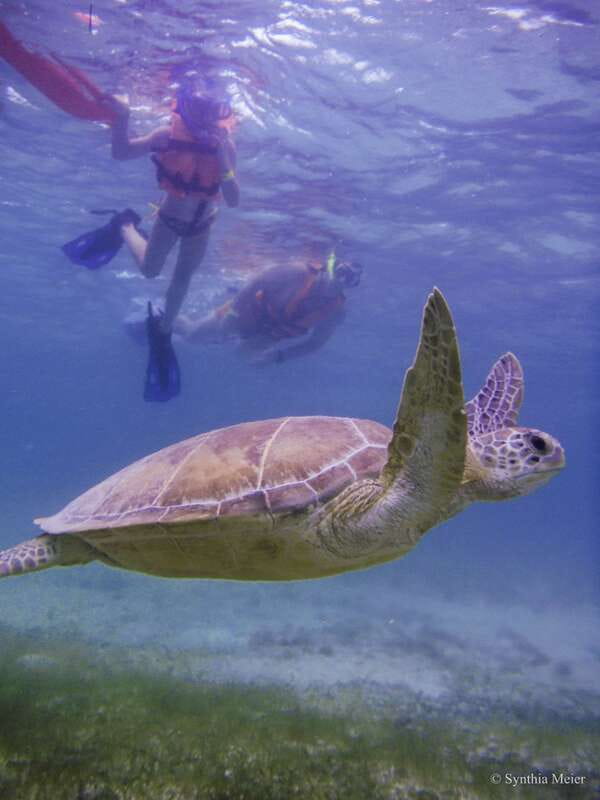
- Akumal’s protected turtle habitat close to shore, where the turtles often swim near the beach
- Two separate water moments: Akumal snorkel time, then cenote snorkeling after a snack break
- Cenote stop may not always match the name on the description, with reports of Cenote Azul vs Cenote Yax-Muul and even a cave-like swim route
- Bring water shoes and a towel you don’t mind getting sandy, since entry and facilities can vary by cenote
- Budget the extra marina/environment fee: $20 USD per person paid at the marina (dock fee + environmental tax)
Akumal Turtle Watching: what you’re really paying for
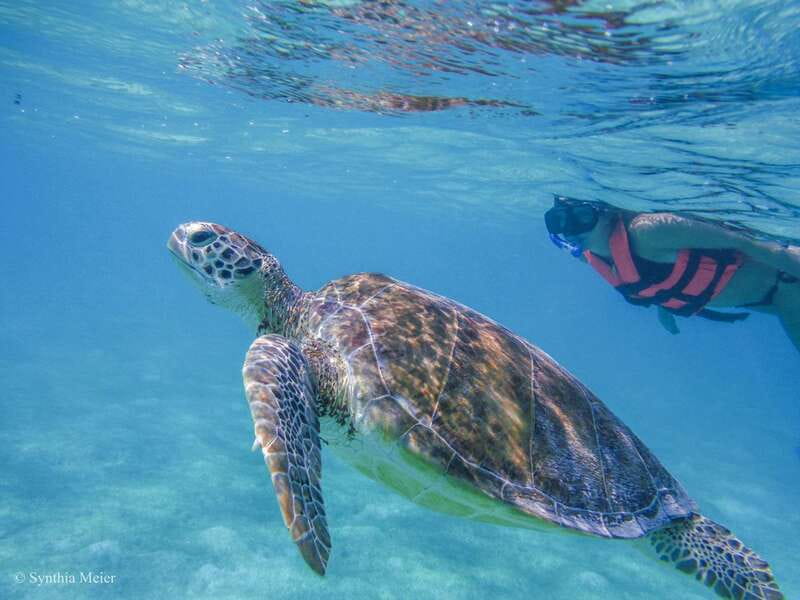
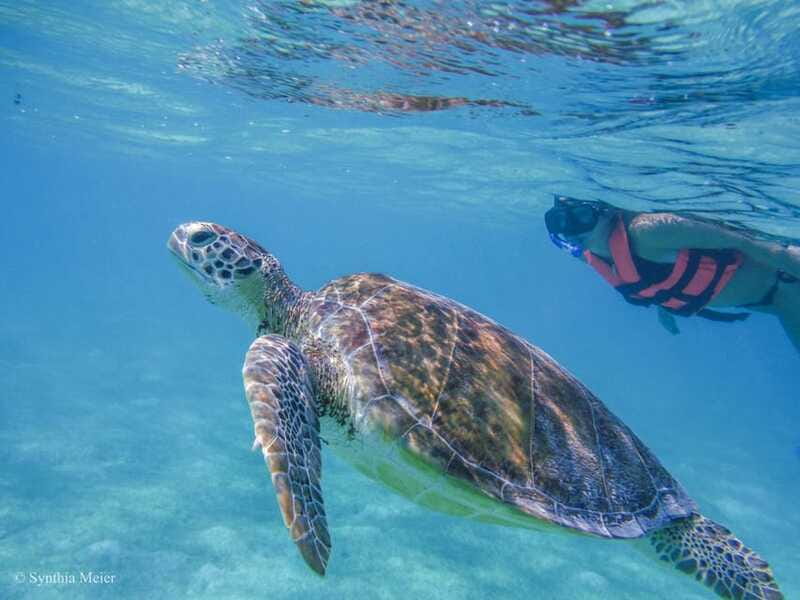
Akumal is Mayan for place of the Turtles, and that name matters. This isn’t a “look at an attraction” stop. It’s a protected coastal area where marine turtles come in close, meaning your best viewing often happens in shallow water right near the beach.
The value here is the combo: wildlife time plus human context. You get a guide who is described as a biologist or naturalist, and the whole point is to learn what you’re seeing while you’re seeing it. When the guide calls out how turtles move and what to watch for, you tend to notice more than you would on your own—like where they linger, how they surface, and how they react when people swim nearby.
You’re also not just stuck with one long stretch of “waiting for nature.” This day is built as a rhythm: snorkel in Akumal, then snacks and a second swim in a cenote. That matters if you’re traveling as a family, because not everyone loves the idea of only one activity for hours.
You can also read our reviews of more tours and experiences in Cancun.

Getting there from Cancun: van timing and real-world comfort
This trip runs about 5 hours, with hotel pickup starting around 7:00 AM (latest pickup) and earlier pickups depending on your area. Cancun starts up around 7:00 AM, and the other pickup points are scheduled around 8:00 AM for Playa del Carmen and 8:45 AM for Tulum.
Transportation is by van, and the ride is a chunk of the day. The good news: it’s handled for you. The not-so-fun news: one reported ride included deep potholes, so plan to sit back and treat the drive like part of the experience, not a time to relax fully. If you’re sensitive to rough roads, wear comfortable clothes and expect some bouncing.
You’ll also have multiple drop-off options on the way back, including Tulum, Mayan Palace, Akumal, Playa del Carmen, and Cancun. That flexibility is a real advantage when you’re staying at a resort and don’t want to negotiate local transport at the end of a wet day.
Snorkel in Akumal with a biologist or naturalist guide
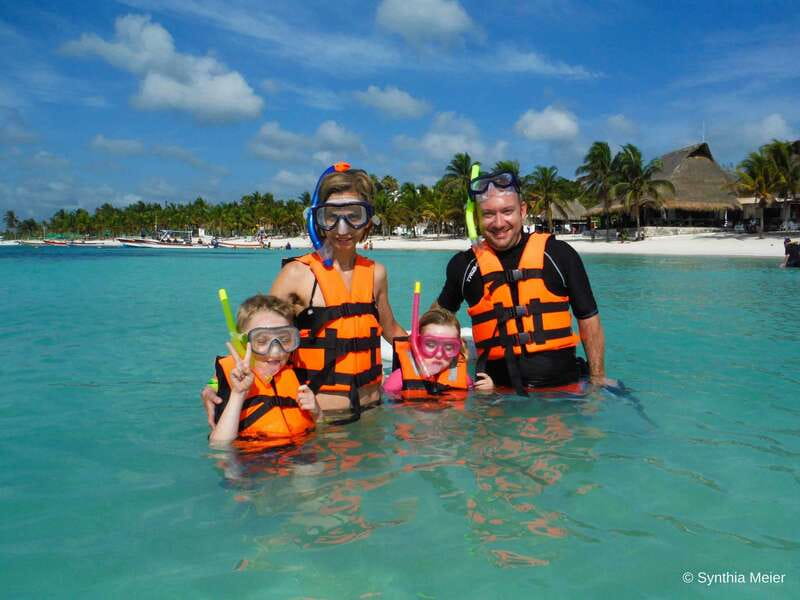
Your first big stop is Akumal, where you snorkel in a naturally protected area. The schedule puts you in the water around 9:00 AM, and the turtle-focused time is paired with an explanation from your guide.
What I’d watch for (and plan around): snorkel time here is shared. Akumal is famous, and that means you may be swimming near other groups depending on the day. In some experiences, that crowding affected water clarity and reduced turtle sightings. In others, it still delivered that close-up wildlife moment people come for.
The guides can make a big difference in how smooth the experience feels. In one set of experiences, Rodolfo was patient with uneven swimming skills and focused on safety. In another, Oscar was described as very nice. If your group includes kids or less-confident swimmers, that kind of guidance is exactly what you want.
Also, don’t ignore the practical side: you may have to float, adjust, and resurface more than you expect. The best way to enjoy it is to treat this as active snorkeling, not a lazy beach swim.
Turtle encounters: what to expect in the water
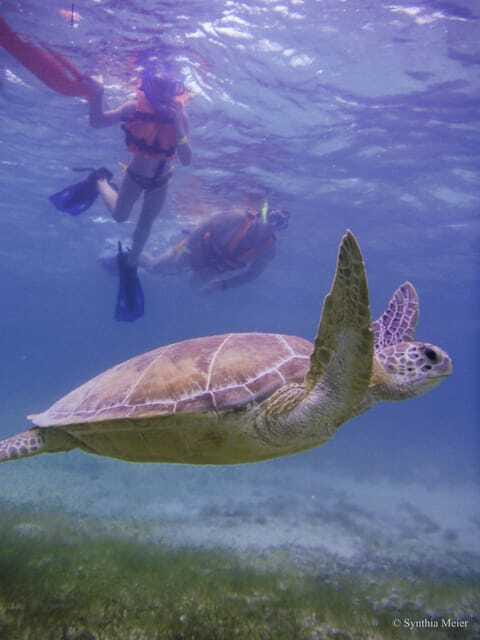
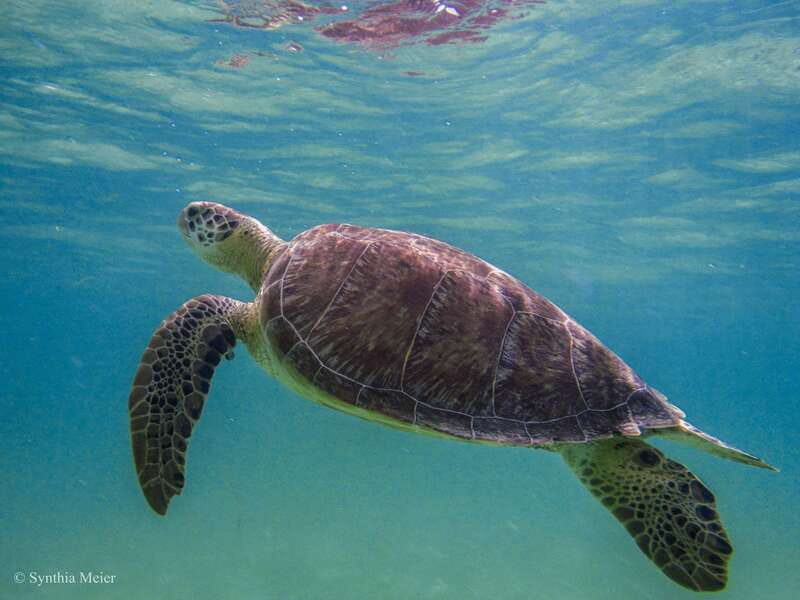
The promise is simple: marine turtles come near the beach, so you get a chance to see them up close. And when conditions are right, you’ll probably feel like you’re in the turtles’ world rather than watching from outside a fence.
But wildlife doesn’t run on a schedule. Some people reported only seeing one or two turtles briefly, especially on busier days or when the water wasn’t as clear. Others reported several turtles and called it worth it.
So I’d set your expectations like this:
- Aim to see turtles, but don’t count on a long, uninterrupted parade of them.
- If it’s crowded, turtles may still be there—but the viewing can get harder.
- Clearer water generally makes everything more enjoyable, including spotting turtles before they surface.
If you’re traveling with a child, pay attention to age rules. One reported guide required a child to be at least 3 to participate, which meant one family member stayed on shore during the turtle portion. That isn’t listed as a universal rule in the core description, but it’s a good example of the kind of on-the-day safety calls guides may make.
Cenote snorkeling after Akumal: snacks, then the second swim
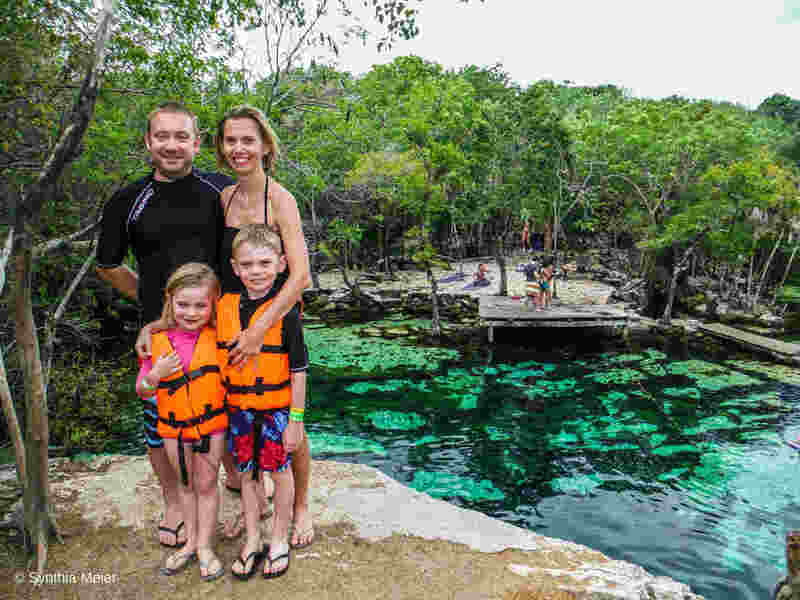
After the turtle time, the day shifts to a cenote stop. Around 10:45 AM, you’ll have snacks at the cenote—items like fruit and peanuts (and soft drinks/water are part of the included refreshment mix). Then the cenote snorkeling happens around 11:00 AM.
Here’s the honest detail that can change your experience: the description highlights Cenote Azul, but some experiences reported different cenotes (including Cenote Yax-Muul) and even a more cave-like swimming route rather than the exact match you might picture.
That means you should treat the cenote portion as a highlight either way, but stay flexible about what it looks like. The consistent part is the idea of a natural swimming pool formed by limestone and streams below—crystal-clear water when you’re at the right spot.
Facilities can also vary. One experience said there were no lockers or changing rooms at the cenote they visited, which matters if you’re bringing a phone, camera, and extra layers. My practical advice: keep valuables minimal, change clothes while you can, and expect that you’ll need your own towel and patience.


Timing and flow: why the day feels tight (and how to enjoy it)
The plan is efficient. You snorkel in Akumal, eat light snacks, snorkel again in a cenote, then transfer back. You’re back around 2:00 PM to Cancun (and earlier in the other areas based on drop-off times).
This compact timing has two sides:
- The upside: you get two signature nature experiences in one outing.
- The downside: you won’t have long breaks to dry off, re-gear, and reset your energy.
Snacks are included, and they’re described as light (fruit, peanuts, and similar items). One experience described snacks as basic, like a small pastry and a cookie. Either way, don’t count on this being a full meal. If you get hungry easily, treat this as a “snack day” and consider eating a decent breakfast before pickup.
One more small note: water shoes can be a lifesaver. Water entry can be sandy or uneven, and some people said water shoes were urgently recommended. If you’ve got them, bring them. If you don’t, at least wear footwear that dries quickly and doesn’t slide.
Price and value: $135 plus the $20 marina fee
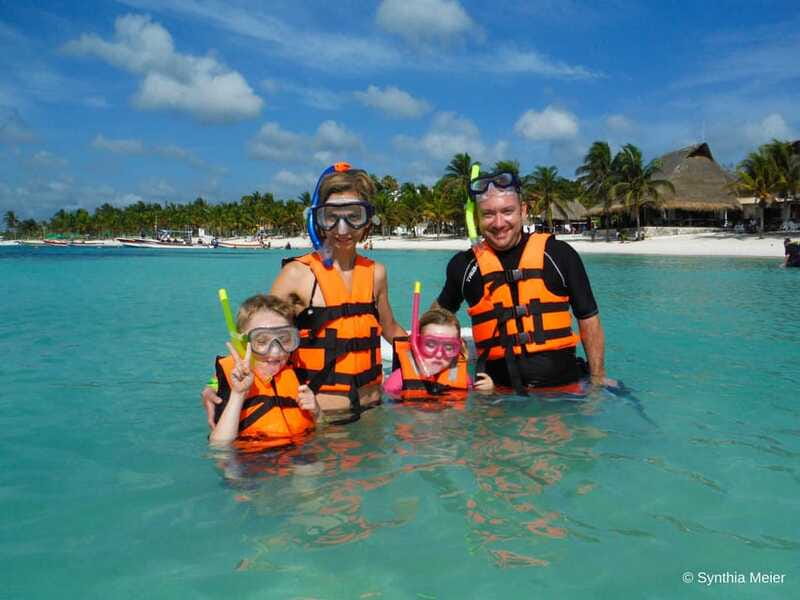
The listed price is $135 per person for about 5 hours. What you get in that price is fairly complete: a guide (biologist/naturalist type), snorkeling equipment, transportation, entrance fees, snacks, and soft drinks plus purified water.
The part you must not miss is the extra $20 USD per person marina dock fee and environmental tax, paid at the marina. That effectively brings the typical total closer to $155 per person.
So is it worth it? Usually, yes—because you’re paying for:
- access to the protected turtle area with guided interpretation
- gear and entry coverage
- two water stops with a guided flow
- hotel pickup logistics that otherwise eat your time
It’s less worth it if you end up on a day with poor visibility, very few turtle sightings, or a strong mismatch between the cenote name you expected and the one you get. That’s not guaranteed either way, but it’s the risk you’re buying along with the convenience.
Who this tour suits best (and who should skip it)
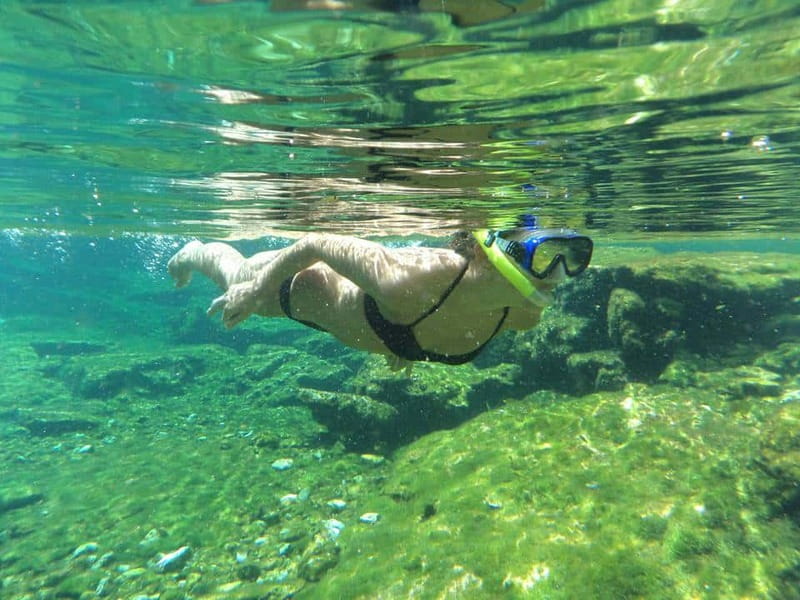
This works best for people who want a guided nature day without managing transportation. It’s also a good fit for families when everyone can snorkel at least moderately and follow safety instructions.
It may not work well for:
- people with back problems
- wheelchair users
- anyone who can’t handle getting in and out of the water safely
If you’re traveling with kids, remember that on-the-day safety requirements can apply. In one experience, a child had to be at least 3 to snorkel with the group, while the rest of the family went in. The guide was apologetic about an advertisement mismatch—still, it’s a reminder that age and comfort matter more than what sounds good on paper.
What to bring for comfortable snorkeling and quick-changing
Bring the basics and then add the stuff that makes wet time easier. The activity recommends:
- comfortable shoes
- sunglasses and a sun hat
- swimwear, change of clothes, towel
- sandals (and/or footwear you can rinse)
- snorkel-ready layers like a long-sleeve cotton shirt if you want sun protection
From real-world notes, I’d strongly consider water shoes, especially because at least one cenote stop didn’t include lockers or changing areas, meaning you’ll be adjusting your setup on the go.
Also: alcohol and drugs aren’t allowed. Keep it simple, hydrated, and ready for sun.
A balanced reality check: crowds can affect turtle time
I love wildlife experiences, but I don’t pretend every day is the same. Akumal is popular, and some days can feel like a conveyor belt of groups in the water. When that happens, turtles may still swim nearby, but the experience can turn from calm observation into crowd management.
If your priority is quiet, ask yourself whether you’re okay sharing the water for close-up animal time. If your priority is learning and snapping photos and you’re fine with movement and space-saving, you’ll likely be happier.
The good sign: even on crowded days, your guide’s job is to help keep things safe and organized. That’s exactly where a strong, patient guide earns their pay—like Rodolfo’s reported focus on safety when not everyone was a confident swimmer.
Should you book this Cancun turtle + cenote tour?
Book it if you want a guided day that mixes Akumal turtle snorkeling with a second nature swim in a cenote, with transportation and equipment handled. The combination of naturalist-style explanations and two water stops is strong value for a half-day plan, and the pickup/drop-off options make it convenient for resort stays.
Skip or reconsider if you’re very sensitive to crowds, you need guaranteed turtle sightings in perfect visibility, or you’re picky about matching the exact cenote name you pictured. In that case, do more homework on what cenote you’ll visit on your specific date and pack for the possibility that facilities at the cenote may be basic.
If you do book, go in with realistic expectations: plan to see turtles, but enjoy the whole day even if sightings are shorter than you imagined. That mindset turns a “maybe we’ll see turtles” morning into a genuinely fun, memorable nature day.
FAQ
How long is the Cancun: Marine Turtle Observation in Akumal experience?
It lasts about 5 hours.
Where do pickups and drop-offs happen?
Pickup and drop-off options include Cancun, Playa del Carmen, Akumal, Mayan Palace, and Tulum.
What’s included in the price?
The experience includes a guide (biologist or naturalist), snorkeling equipment, transportation, entrance fees, and snacks (fruit and peanuts) plus soft drinks and purified water.
What extra fee should I expect to pay at the marina?
There is a marina dock fee and environmental tax of $20 USD per person, paid at the marina.
Do I need to bring snorkeling equipment?
No. Snorkel equipment is included.
What languages are available for the tour guide?
The guide works in English and Spanish.
Is the tour suitable for people with back problems or wheelchair users?
No. It is not suitable for people with back problems or wheelchair users.
You Might Also Enjoy
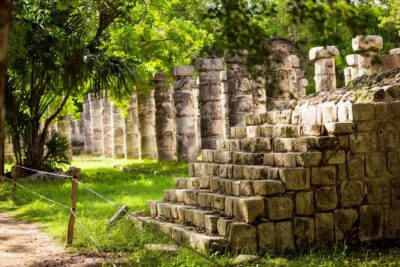 Tour VIP to Chichén Itzá, Valladolid and a Real Mayan Cenote from Cancun
 Amazing ATV Tour, Ziplines and Cenote Swim with Lunch and round trip included
 Swim with turtles + snorkelling + archaeological zone of Tulúm + cenote
 Experience swimming with turtles and explore the ruins of Tulum. Lunch included.