REVIEW · CANCUN
Cancun or Merida: Day of the Dead with Taco buffet
Book on GetYourGuide →Operated by Amigo Tours LATAM · Bookable on GetYourGuide
Day of the Dead starts long before November. This Day of the Dead celebration tour links Valladolid’s Convent of San Bernardino de Siena with a nighttime cenote stop at Cenote Chichikan, plus Mayan ceremonies and hands-on moments.
I especially like the way you get two sides of the story: the solemn convent visit in the late afternoon, then the spiritual cenote experience after dark. It feels like you’re seeing the tradition as both place and practice, not just photos.
One thing to consider: it’s a long day (about 11 hours), and it is not suitable for wheelchair users or guests with mobility impairments.
In This Review
- Key highlights I’d plan around
- Why This Day of the Dead Tour Runs Year-Round in Valladolid
- Getting There: 11 Hours, Coach Rides, and Hotel Drop-Offs
- Valladolid’s Convent of San Bernardino de Siena: A Quiet Start With Big Atmosphere
- The Road to Cenote Chichikan: When the Day Turns Toward Night
- Cenote Chichikan at Night: Where the Tradition Feels Like Place
- Mayan Body Painting Workshop and Dance Show: Participation That Isn’t Staged
- The Hanal Pixán Offering Ceremony: What You’ll Do and What It Means
- Taco Buffet Dinner and Tequila Tasting: A Fun Ending With Local Flavor
- Price and Logistics: Does $72 Feel Like Good Value
- Who This Tour Suits Best (and Who Should Skip It)
- Should You Book This Day of the Dead Cenote Tour?
- FAQ
- FAQ
- What time does the tour meet?
- How long is the tour?
- Where does the tour start from?
- What’s included in the price?
- Are drinks included?
- Is the tour suitable for wheelchair users?
- Is this tour okay for children?
- What languages are the guides?
Key highlights I’d plan around
- Cenote Chichikan at night with guides explaining cenotes as portals between living and dead
- Mayan body painting workshop, done to honor departed spirits
- Hanal Pixán offering ceremony with songs and ancestor-focused offerings
- Convent of San Bernardino de Siena stop in Valladolid, including skip-the-line entry
- Taco buffet dinner plus tequila tasting to close out the day in a fun, social way
Why This Day of the Dead Tour Runs Year-Round in Valladolid
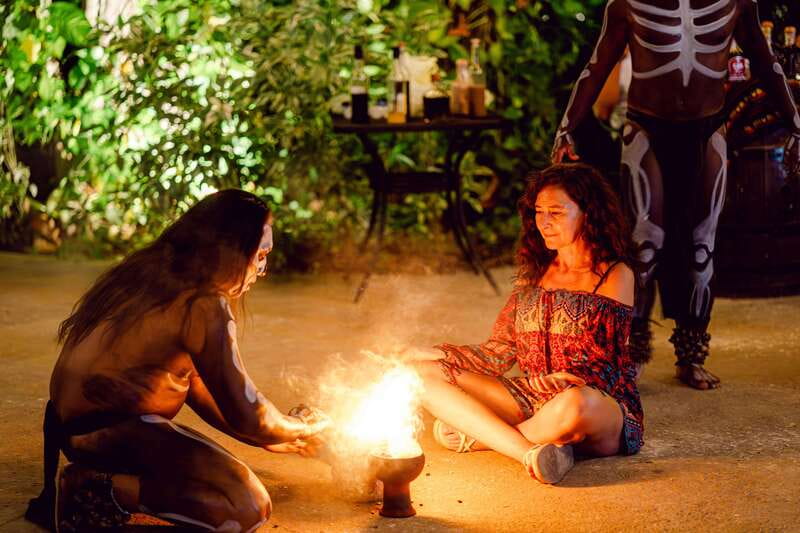
If you’re visiting Cancun or Merida and you hate waiting until November 1st, this is one of the easier ways to catch the Day of the Dead mood. The big idea is to experience the tradition as Mayan communities do it—through ceremony, offerings, and symbolic acts—without needing to time your whole vacation to the holiday calendar.
What I like most is the balance. You aren’t only rushed through a stage show, and you aren’t only stuck at a museum either. You see a historic religious site, then you move to a sacred natural space, the cenote, where the evening part of the experience becomes the emotional center of the day.
Also worth noting: it’s guided. You’re not left to guess what a cenote ceremony means. The guide shares stories about the connections between life, death, and the afterlife, and that context helps the rest of the stops land better.
You can also read our reviews of more tours and experiences in Cancun
Getting There: 11 Hours, Coach Rides, and Hotel Drop-Offs
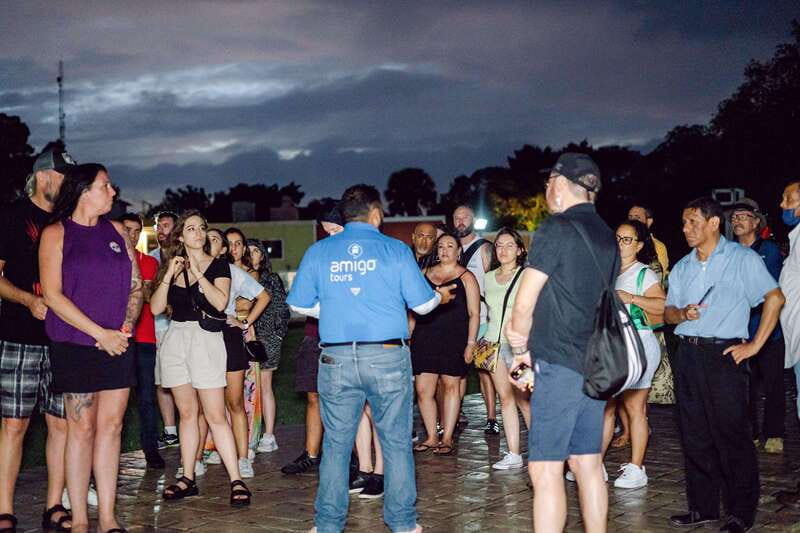
The day runs about 11 hours, and it starts with a meeting point at Plaza Las Perlas at 3:30 pm (for the Cancun option). If you’re coming from other areas, pickup is offered depending on which option you choose, and you can also depart from Cancun, Playa del Carmen, or Merida.
Expect long stretches of coach time. The trip includes multiple bus segments (one longer ride plus additional transfers), because Valladolid and the cenote area sit outside central Cancun. That sounds obvious, but it matters: bring something for comfort. If you get motion sick easily, plan for it. And pack a light layer—nighttime near cenotes can feel cooler than you expect.
One more practical point: drop-off happens at many different hotels and resort areas around Cancún Bay and the Hotel Zone. That’s convenient when you want to sleep at your own place, but it can mean your ride back takes a bit, since the bus may deliver different groups to different resorts.
Valladolid’s Convent of San Bernardino de Siena: A Quiet Start With Big Atmosphere
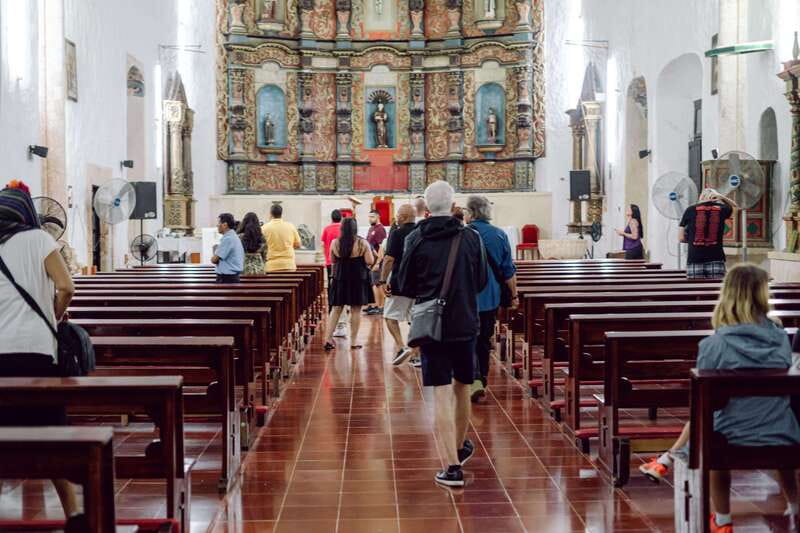
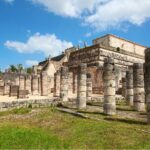
The day begins with a guided visit to the Convent of San Bernardino de Siena in Valladolid. You get about 45 minutes there for sightseeing with a guide, and you also use a separate entrance to skip the main line. That’s a small thing that makes the start feel smoother, especially after you’ve already been on the road.
Why this stop matters: it gives the tradition a historical and cultural anchor before you jump into nighttime ceremony. Even if your interest is strictly the Day of the Dead side, the convent visit helps you understand why these rituals exist where they do—part community memory, part spiritual place.
The tone here is more reflective than active. You’re not doing a workshop in the convent. You’re walking, listening, and taking in the atmosphere of the building and its setting. For me, that pacing works because it cools down your excitement a notch before the more hands-on moments later.
The Road to Cenote Chichikan: When the Day Turns Toward Night
After Valladolid, you transfer by coach again toward the cenote area. The tour is designed so the timing lines up with the shift into evening: the tour description places the cenote experience as the sun goes down, which is key for the mood.
At this point, it helps to think of your day like two halves. The first half is cultural grounding—convent visit and travel. The second half is where you act, sing, paint (figuratively, and in a very literal way), and watch ceremony unfold.
Also, you get time scheduled at the cenote area for lunch and free time. That means you’re not always rushing. The structure gives you enough buffer to eat before the more spiritual and hands-on portion ramps up.
Cenote Chichikan at Night: Where the Tradition Feels Like Place
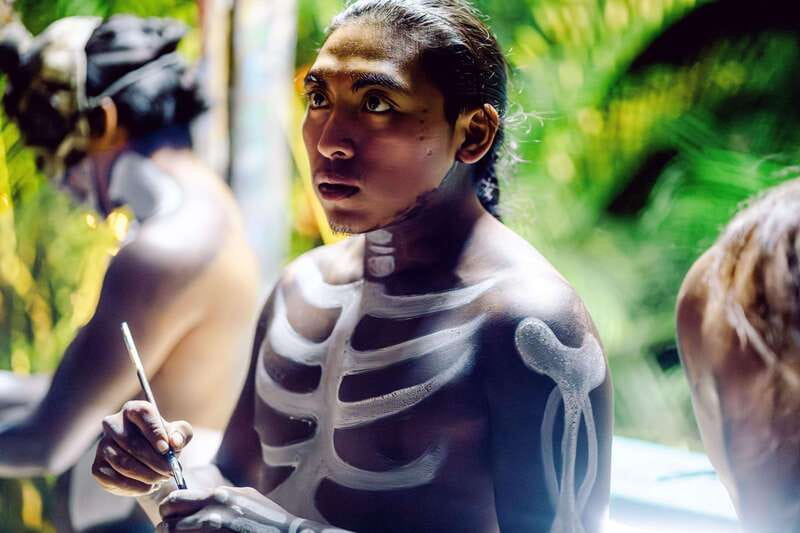
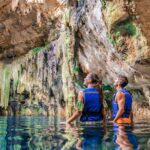
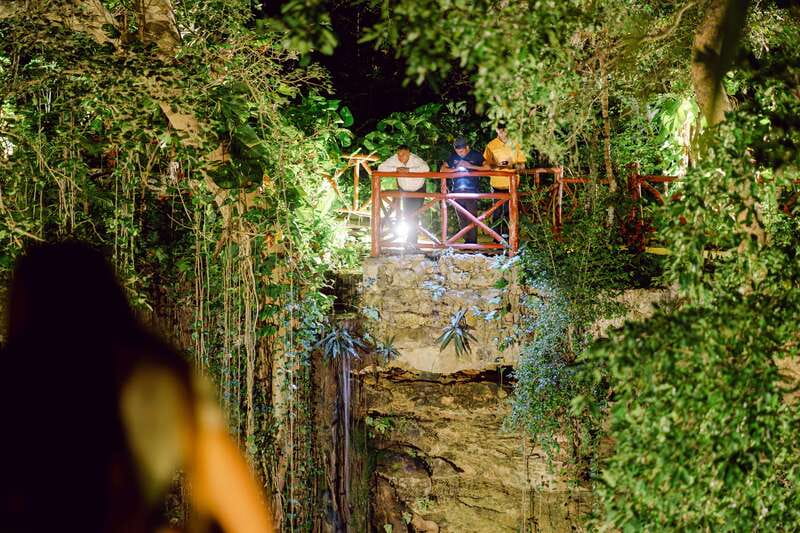
Cenote Chichikan is the emotional center of this tour. You visit after dark, and the guide explains cenotes as mystical sinkholes believed to act as portals between the living and the dead. Even if you treat that as belief rather than fact, the explanation changes how you experience the space.
This is also where you spend time in a Mayan village setting. There’s a mix of scheduled activities: lunch, free time, and a traditional dance show, plus a workshop portion. The workshop is built around the idea of honoring departed spirits, and it’s not just watching from the sidelines.
What I like about doing this at night is the contrast. Daytime cenotes can feel like swimming spots with cliffs and light. At night, the focus becomes symbolism. The experience shifts from scenery to ritual space, and that’s what makes it stick in your memory.
If you’re someone who enjoys nature-based culture (not just culture-based culture), this portion is worth planning around. The route, timing, and activities all point to making the cenote the main event.

Mayan Body Painting Workshop and Dance Show: Participation That Isn’t Staged
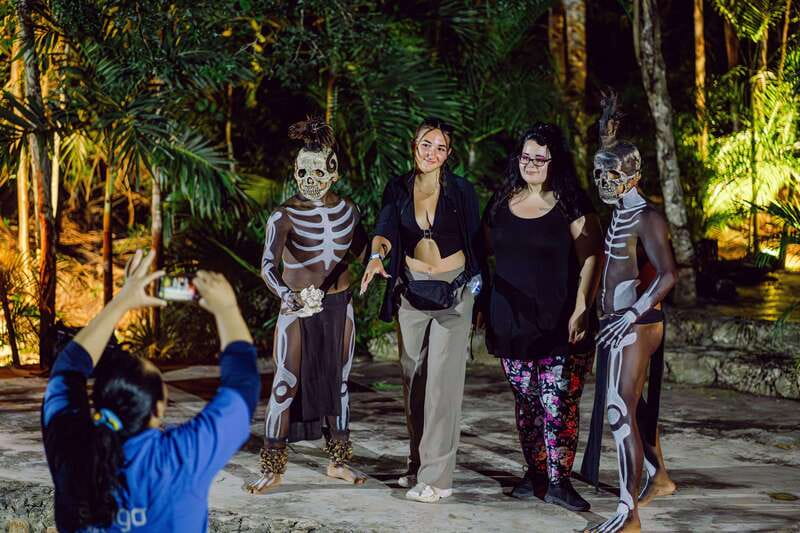
One of the most praised parts of this tour is the Mayan body painting workshop. This isn’t described as a casual souvenir photo moment. It’s framed as an ancient practice used to honor departed spirits, using intricate designs tied to the ceremony’s meaning.
The workshop is paired with time for a traditional dance show, which helps you feel the performance side of the celebration too. Together, the painting and dance give you more than one “language” for the tradition—visual design plus movement plus music.
In the guide experience, names like Frank and Henry show up in people’s feedback, and they’re praised for answering questions and sharing culture clearly. Another set of comments mentions Pastor and Manuel, with guests highlighting how much the guide shared about Day of the Dead traditions and ritual meaning.
Practical tip: body painting workshops can run a little messy. Wear clothes you’re comfortable getting splashed with paint or makeup. If you want to look photo-ready afterward, plan ahead and bring wipes or something simple for cleanup.
The Hanal Pixán Offering Ceremony: What You’ll Do and What It Means
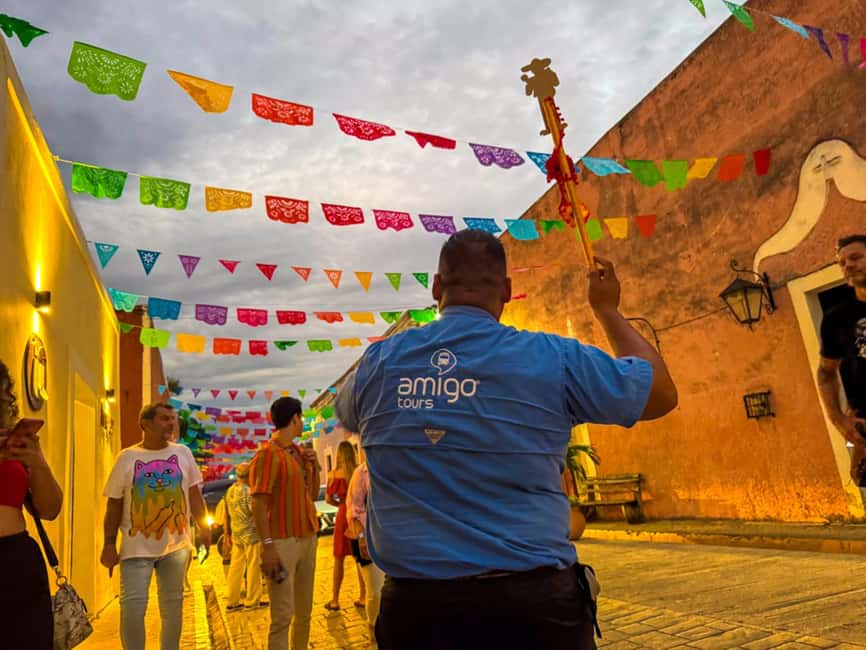
The ceremony portion is called Hanal Pixán, which is the Mayan practice of honoring ancestors with offerings. The tour description emphasizes songs during the ceremony and positions the event as a way to create a spiritual bond with those who have passed.
This is the part of the day where the group energy usually shifts. You go from workshop and show mode to more still, more listening. The offerings and the songs add a sense of intention, and the guide’s stories help you connect the dots between symbolism and the living community.
You’ll also hear about the belief that life, death, and the afterlife are linked, which helps the whole day feel coherent. The convent stop, the cenote setting, and the painting workshop aren’t random stops; they’re part of a single theme—honor, remembrance, and connection.
Because the ceremony is the central spiritual act, it also sets expectations for behavior. Keep your phone ready for respectful shots, but don’t treat this like a background spectacle. If you want the meaning to land, act like you’re in a ritual, not just on a night tour.
Taco Buffet Dinner and Tequila Tasting: A Fun Ending With Local Flavor
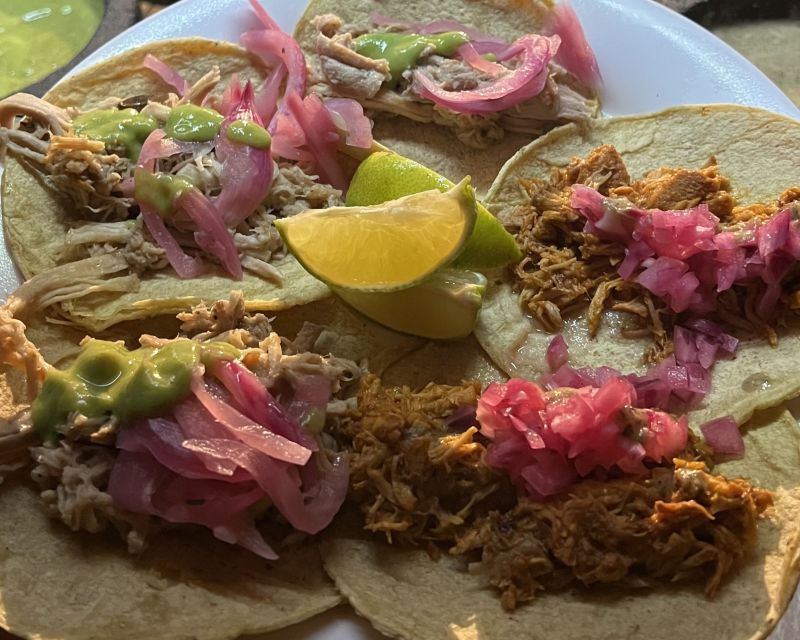
At the end, you get a Mexican taco dinner (taco buffet style) plus a tequila tasting. This is included, and it’s a nice way to close the day after ceremony, travel, and workshop time.
Why this matters for value: you’re not paying extra to eat on the road. You also get something structured and local—tacos—rather than hoping you’ll find a convenient meal after a late return. And the tequila tasting ties into the Day of the Dead theme through the idea of blending Mayan gastronomy with the celebration.
You should treat the tequila tasting as a light cultural add-on, not a full bar stop. The tour listing specifically says drinks aren’t included, so plan on paying for anything beyond what’s offered in the tasting portion.
Bottom line: this last block is social and calming. It gives your energy a place to go besides thinking about symbolism and meaning.
Price and Logistics: Does $72 Feel Like Good Value
At $72 per person for roughly an 11-hour day, value depends on what you compare it to.
Here’s what you’re getting without extra ticketing fees: round transportation by coach, a professional bilingual guide, the convent visit with skip-the-line entry, the cenote experience (including lunch and free time), a Mayan body painting workshop, a traditional dance show, the Hanal Pixán offering ceremony with music, plus a taco dinner and tequila tasting. There’s also a Mayan purification ritual included.
That’s a lot of “moving parts,” and that’s usually what drives costs up on Yucatán day trips—transport time, guided cultural stops, and organized ceremony access. So for many people, $72 starts to look like a bundled deal rather than paying separately for transport + admission + dinner.
The one cost-related caution: drinks are not included. If you like soda, water, juices, or cocktails, you’ll want to budget that separately. Also, since it’s a long day with coach time, plan around meals and hydration so you’re comfortable through the late-night portion.
Who This Tour Suits Best (and Who Should Skip It)
This tour is a good fit if you want Day of the Dead culture but you’re not traveling in early November. It also suits you if you like meaningful activities, not just sightseeing. The painting workshop, purification ritual, and Hanal Pixán ceremony are the reason to book.
It’s also a solid choice if you’re staying in Cancun or Merida and don’t want to manage a complicated DIY route across multiple stops. With a bilingual guide and transport handled, your job is basically to show up and participate respectfully.
Skip it if you need wheelchair access or mobility accommodations, since it’s specifically listed as not suitable for wheelchair users and guests with mobility impairments. And if you’re traveling with kids, note that children under 11 aren’t accepted.
If you prefer low-effort tours where you do almost nothing besides sitting and taking photos, this may feel like too much activity. But if you enjoy being involved—listening, learning, participating—the structure is built for you.
Should You Book This Day of the Dead Cenote Tour?
I think you should book it if you want a genuine-feeling Day of the Dead experience that doesn’t wait for November. The pairing of Valladolid’s convent, Cenote Chichikan at night, Mayan body painting, and the Hanal Pixán offering ceremony creates a full arc for the day—history, ritual space, participation, then food.
You should skip or reconsider if you hate long coach days or you’re sensitive to late-night environments near cenotes. Also be realistic about the workshop and ceremony: this is participation-focused, not passive entertainment.
If your goal is a memorable Yucatán cultural night with structure, guidance, and local food at the end, this hits the mark.
FAQ
FAQ
What time does the tour meet?
You meet your guide at Plaza Las Perlas at 3:30 pm.
How long is the tour?
The total duration is 11 hours.
Where does the tour start from?
The tour can depart from Cancun, Playa del Carmen, or Merida, depending on the option you choose.
What’s included in the price?
Included are round transportation, a professional bilingual guide, a visit to the Convent of San Bernardino de Siena, a Mexican taco dinner, a Mayan purification ritual, and a tequila tasting.
Are drinks included?
No. Drinks are not included.
Is the tour suitable for wheelchair users?
No. It is not suitable for people with mobility impairments or wheelchair users.
Is this tour okay for children?
No. Children under 11 are not suitable for this experience.
What languages are the guides?
The tour offers guidance in English and Spanish.