REVIEW · CANCUN
Cancún: Chocolate Making Class and Tasting with Chef
Book on GetYourGuide →Operated by Jaguar Journey · Bookable on GetYourGuide
Chocolate begins with a bean, and this Cancun class turns it into a chef-led bean-to-bar lesson for a small group. I like the way the chef ties the tasting to Mayan chocolate culture, not just candy-making steps. I also like that you’ll sample a full lineup (including a pre-Colombian cocoa-based drink and chocolate dessert). The main catch: transport isn’t included, so you’ll want a taxi plan—or budget for the optional round-trip pick-up.
In a tight session of about 2 to 2.5 hours, you’ll work with fresh ingredients using your senses—touch, smell, taste—while an English instructor guides the process. Some past classes have run with very comfortable, air-conditioned studio time, which matters when Cancun heat is on. You’ll also have a translator support included, which helps if Spanish flavors or food terms get technical.
By the end, you’ll make your own chocolate to take home, with 3 craft chocolate bars included. You should expect a kitchen-class vibe, and you’ll be asked to bring practical items like comfortable shoes, water, and a face mask or protective covering.
In This Review
- Key things to look forward to
- Mayan Chocolate Starts with Flavor, Not a Factory Tour
- The Bean-to-Bar Kitchen Time (and Why It’s Worth It)
- What You Actually Taste: Drinks, Dessert, and Craft Bars
- The Sensory Skills You’ll Notice Immediately
- Pairing a Cocoa Drink with a Chocolate Dessert
- Making Your Own Craft Chocolate Bars (Then Bringing Them Home)
- Price and Value: Is $109 a Good Deal?
- Who Should Book This Class in Cancun?
- Should You Book This Cancun Chocolate Making Class?
- FAQ
- How long is the chocolate making class?
- What is included in the price?
- Where do I meet the guide?
- Is transportation included?
- What should I bring?
- Is the class limited to a small group?
Key things to look forward to
- Real bean-to-bar cocoa steps guided by a local chef, not a demo
- Mayan-focused chocolate story tied to how it was prepared and served
- Hands-on sensory work with roasting, smelling, and tasting ingredients
- A full tasting flow with a cocoa drink plus a chocolate dessert
- Take-home value: you leave with 3 craft bars you made
- Small group (max 6) so you’re not lost in a crowd
Mayan Chocolate Starts with Flavor, Not a Factory Tour
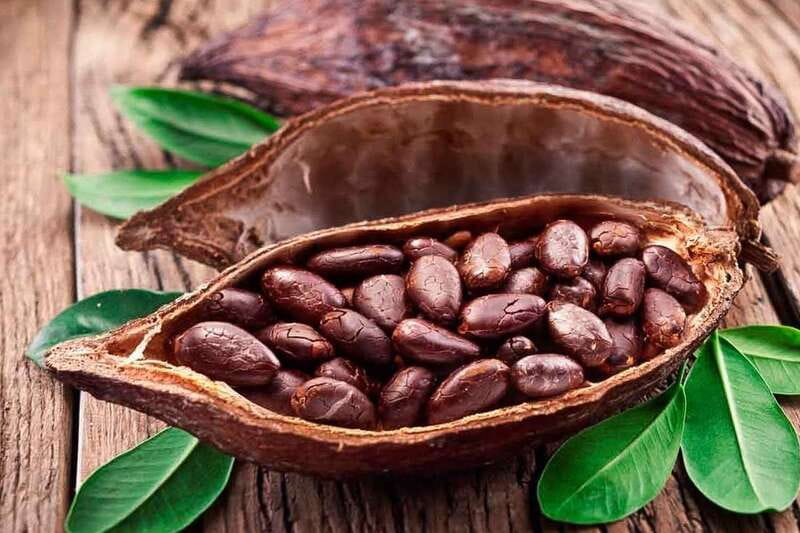
If you’ve only had chocolate from a supermarket wrapper, this class gives you a different starting point. You’ll learn about Mayan chocolate as both a drink and a dessert, with emphasis on the way it can be spicy and bold, not just sweet. That matters because the flavor palette you learn here is tied to real ingredients and old-style preparation—not modern shortcuts.
The chef frames chocolate as something cultural and practical. You’ll hear about the long timeline of cocoa use, and how the Mayans treated chocolate as a drink associated with nobility more than 3,000 years ago. Instead of “chocolate trivia,” the lesson helps you understand why the process is so specific—why roasting matters, why texture matters, and why pairing a cocoa beverage with the right dessert makes sense.
I also like that you don’t just sit and watch. You’ll be asked to use all your senses: touching ingredients, smelling them as they change, and tasting throughout the steps. If you pay attention during the smelling and roasting portions, you’ll walk away with a clearer sense of why one batch tastes sharper or more aromatic than another.
You can also read our reviews of more food & drink experiences in Cancun
The Bean-to-Bar Kitchen Time (and Why It’s Worth It)
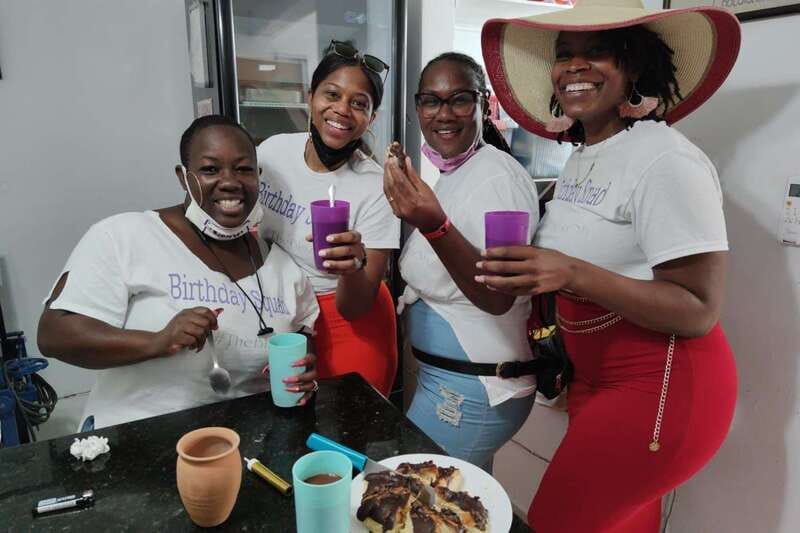
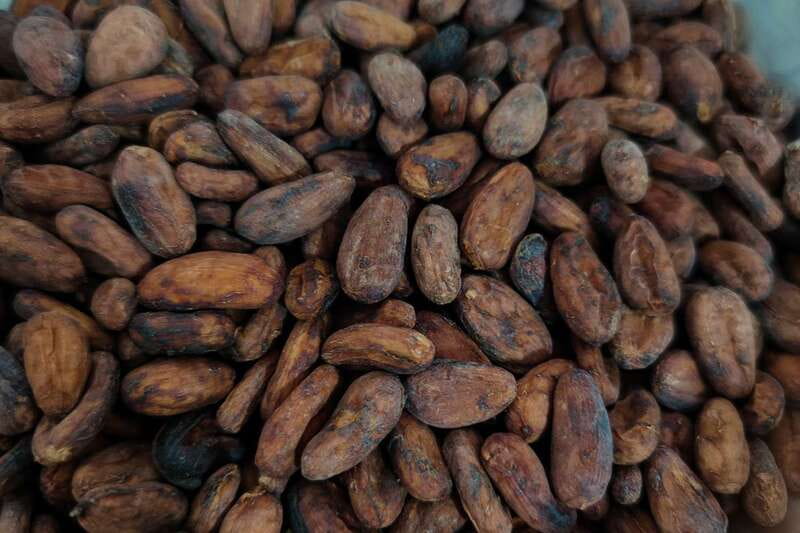
This is a chef-led course built around the idea of going from bean to bar. In other words, you’re not just assembling chocolate from a kit. You’ll go through the production workflow step by step, learning what happens to cocoa as it’s roasted and prepared for grinding and mixing.
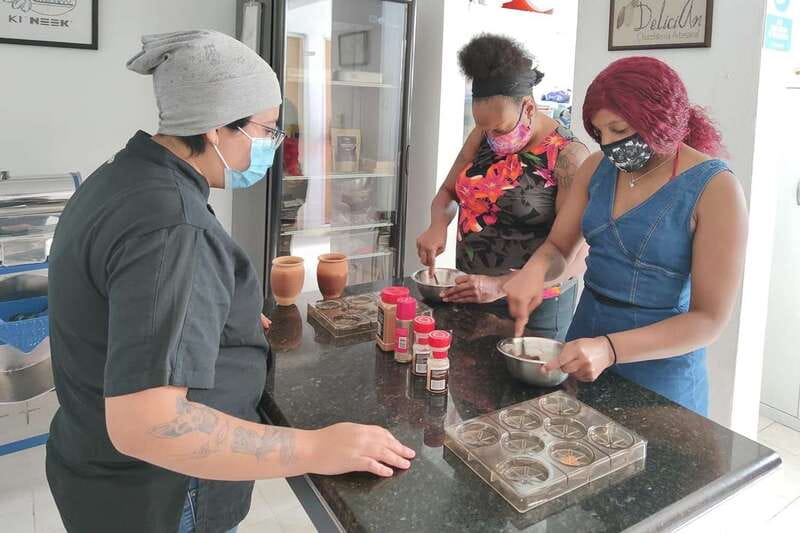
The experience is also designed around small-group pacing. With a maximum of 6 participants, you’re more likely to get direct answers when something smells or tastes different than you expect. That’s a big deal in cooking classes, because the only way you learn “how it should be” is by getting feedback while you’re actively working.
You’ll likely spend time on the early stages of production first, then shift toward tasting and pairing, and finally finish with your own craft chocolate. That structure helps you avoid the most common problem with short classes: tasting first and learning nothing about why you liked (or didn’t like) the result.
One more practical note: the class is listed as about 2 hours, but the course is described as 2.5 hours in the overview. Either way, plan for a focused afternoon slot. If your schedule is tight, you’ll want to keep buffer time before and after.
What You Actually Taste: Drinks, Dessert, and Craft Bars
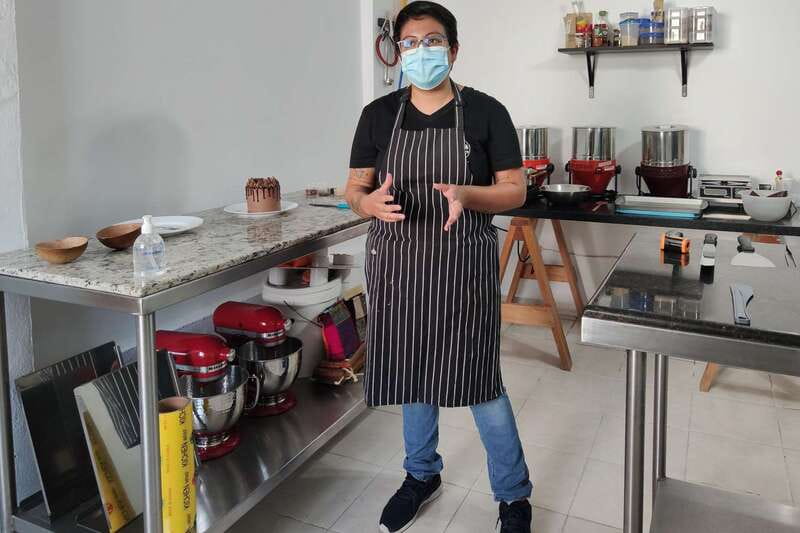
The tasting lineup is a big reason to choose this class in Cancun. You’ll start with a chocolate welcoming drink, and then you’ll get a pre-Colombian cocoa-based drink as part of the tasting flow. That’s not just “more chocolate”—it’s a chance to compare flavors in different formats: beverage versus dessert, and traditional-style preparation versus something more candy-like.
You’ll also have chocolate homemade snacks and a chocolate dessert included. Food-only classes often stop at a single taste. Here, the food and drink pairing helps you learn how cocoa behaves when it’s mixed, served warm or in a drink, and combined into a dessert form.
After the tasting phase, you’ll work with the ingredients to make your own craft chocolate bars. And you don’t leave empty-handed. The included 3 craft chocolate bars are a clear value marker: you’re paying for an experience, plus take-home product.
If you’re the type who loves tasting menus, you’ll appreciate the structure. If you’re more of a “show me the skill” person, the tasting still works because it gives you a reference point for what you’re trying to reproduce in your own bar.
The Sensory Skills You’ll Notice Immediately
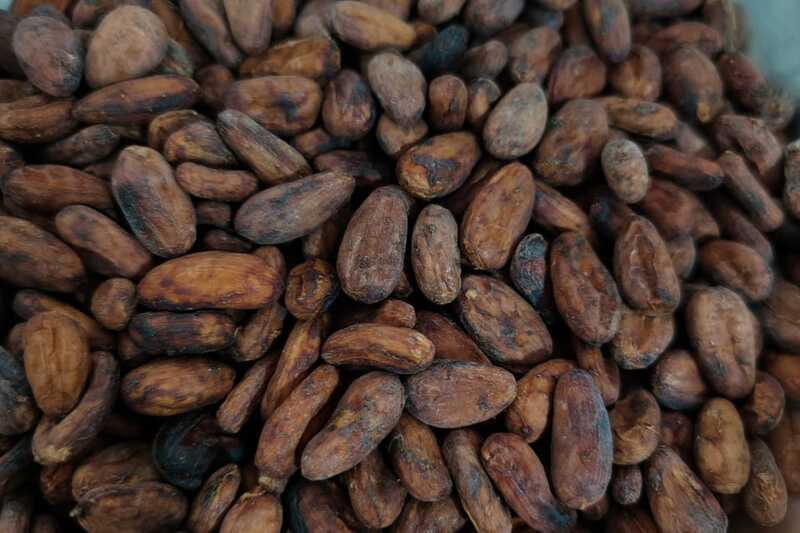
This class leans hard on senses because chocolate-making is sensory work. You’ll be handling fresh ingredients and learning through touch and smell, not just listening. That’s especially useful if you’re curious about what “good chocolate” means. It’s not only about sweetness. It’s also about aroma and how roast notes shift.
You’ll use your senses during key steps such as roasting beans and working through preparation stages. Even if you don’t consider yourself a foodie, you’ll notice the changes. Cocoa aromas are dramatic: they go from earthy to toasted to chocolatey, often within minutes. That’s the kind of learning you can’t get from a printed recipe.
One practical takeaway for you: take notes or at least pay attention mentally during the tasting and smelling points. Later, when you’re making your own bars, you’ll connect the flavors to the steps. That makes the finished bar feel like a result, not a souvenir.
I also appreciate that the chef doesn’t treat it like a performance. Based on what’s been emphasized in past sessions, the energy has been fun and the teaching has been hands-on. You’ll get the chance to follow instructions while staying engaged, which is what keeps a short class from turning into a blur.
Pairing a Cocoa Drink with a Chocolate Dessert
A good chocolate class should teach you more than “how to make chocolate.” It should teach you how to serve it. This one includes a pause for a cocoa drink and a chocolate dessert, paired with local ingredients and held to quality and safety measures.
That pairing moment is more than a break. It’s where you learn taste balance. You’ll experience cocoa as a beverage first, then as a dessert, and you’ll get a chance to understand why those formats can highlight different qualities in the same base.
If you’re worried about the spicy angle, don’t panic. The class description points to Mayan chocolate in spicy beverage and dessert forms, but you can treat it as an exploration. Ask questions during the tasting if you want to know what’s driving the heat or spice notes. A chef should be able to explain ingredient roles, especially with a small group format.
For me, the pairing is also the point where the class feels most “Mexican” rather than just culinary. You’re learning how cocoa shows up in lived culture: as something meant to be enjoyed, shared, and served with intention.
You can also read our reviews of more tours and experiences in Cancun
Making Your Own Craft Chocolate Bars (Then Bringing Them Home)
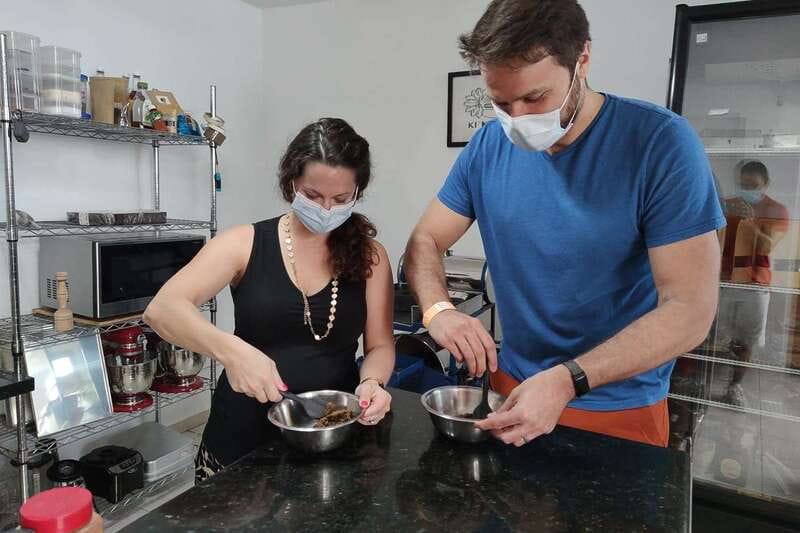
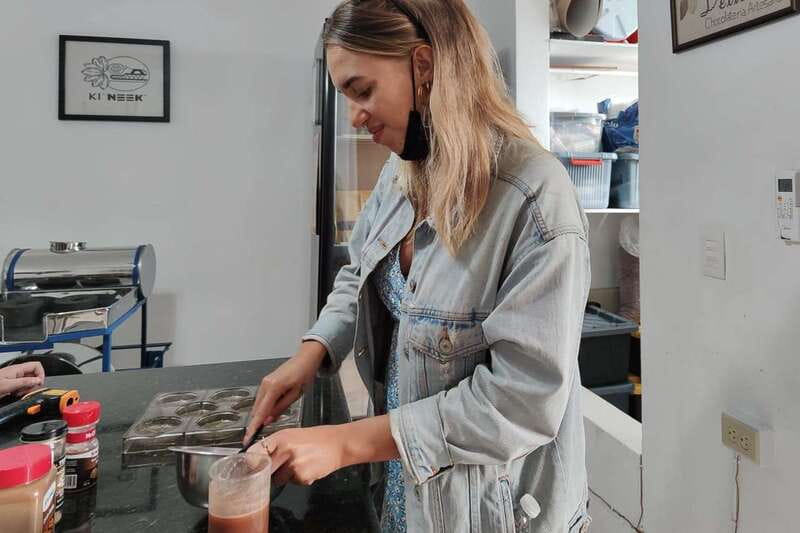
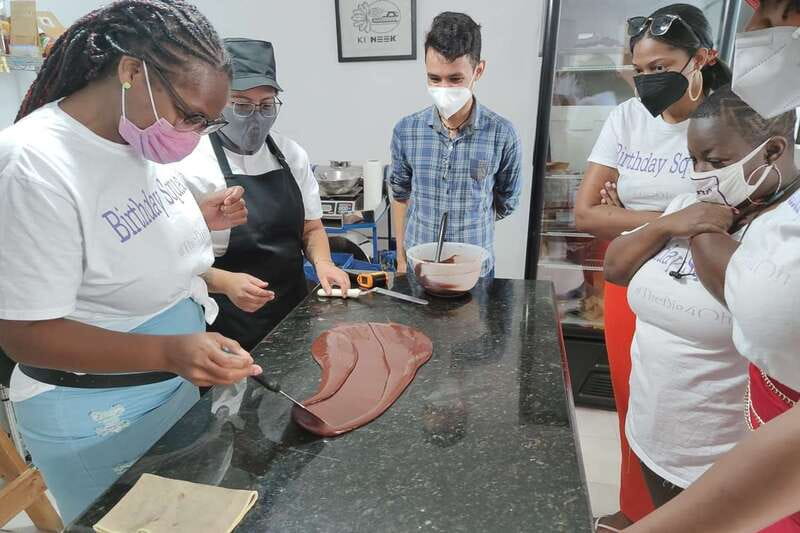
The final stage is where the experience becomes yours. You’ll get the ingredients to make your own craft chocolate, guided by the chef. You’ll get step-by-step coaching through the secrets of producing the perfect bar, and you’ll be tasting and checking your progress as you go.
Because 3 craft chocolate bars are included, the class is structured so you leave with enough to share. That’s huge value if you want to bring something home that isn’t a mass-produced candy bar. It’s also practical: you’re not relying on your memory of a flavor to buy a product later. You’re literally taking the result home.
You’ll want to bring comfortable clothes and plan on a kitchen-class mess level—nothing dramatic, but chocolate work can be sticky. Comfortable shoes matter too, because even in an air-conditioned studio, you’ll likely be standing and moving between stations.
If you’re thinking about gifts, this is one of the better options in Cancun. Your bars come as a story in a box: where the beans came from, how they were roasted and prepared, and what you learned about Mayan chocolate in the process.
Price and Value: Is $109 a Good Deal?
At $109 per person for a roughly 2–2.5 hour class, the value comes from three places.
First, you’re getting a full chef-led format: welcoming drinks, a pre-Colombian cocoa-based drink, chocolate snacks, a chocolate dessert, plus hands-on work with ingredients. That’s a lot of included food for one ticket.
Second, you’re getting product you made. Not a tiny sample. You leave with 3 craft chocolate bars included. If you’re the kind of traveler who likes experiences that also produce a tangible souvenir, that take-home factor helps justify the price.
Third, the small group size (limited to 6) reduces the “crowd tax.” Cooking classes can become rushed when many people are waiting for attention. Here, the format supports closer guidance, which is exactly what you want when you’re learning a process like bean-to-bar chocolate.
The one value limiter is transportation. Transport isn’t included, and the meeting point is at the parking lot of Carl’s Junior Plaza Outlet mall in Cancun city. If you’re farther out, the easiest fix is adding the optional round-transport from your place for an extra cost. If you already plan to taxi into the city, you might not feel this as much.
Who Should Book This Class in Cancun?
You’ll get the most out of this experience if you’re one of these travelers:
- You’re a foodie who likes learning the “why” behind flavor.
- You want a hands-on activity that breaks up beach time.
- You care about Mexican food culture and want Mayan chocolate context, not just basic dessert making.
- You like classes where you can take something home that isn’t generic.
You might want to skip it if:
- You hate kitchen-style mess or hands-on food work.
- You want a purely sightseeing tour with lots of outdoor time.
- Your schedule is so tight that finding the meeting point and factoring in transport will stress you out.
The best part is that it’s short enough to fit into a Cancun itinerary without turning your day into a full production. And because it’s wheelchair accessible, it’s one of the more broadly usable small activities in the city.
Should You Book This Cancun Chocolate Making Class?
My advice: if you want a genuine, hands-on food experience with a clear payoff, this is a strong bet. You’re not just tasting chocolate—you’re learning how it gets made, tasting it in multiple formats (including Mayan-style drinks and a dessert), and then leaving with the bars you created.
Book it if you can get to the Carl’s Junior Plaza Outlet mall meeting point easily, or if you’re willing to add transport. Skip it if you’re mainly looking for relaxation and don’t want to participate in a kitchen activity.
If you’re the sort of traveler who remembers meals more than monuments, this class is built for you.
FAQ
How long is the chocolate making class?
The class is listed as lasting 2 hours, and the course overview describes it as about 2.5 hours.
What is included in the price?
The experience includes a chocolate welcoming drink, 3 craft chocolate bars, chocolate homemade snacks, 1 chocolate dessert, 1 pre-Colombian cocoa-based drink, and a translator.
Where do I meet the guide?
Meet at the parking lot of the Carl’s Junior Plaza Outlet mall in Cancun city.
Is transportation included?
No. Transport is not included, but round transportation can be arranged from your place for an extra cost.
What should I bring?
Bring comfortable shoes and clothes, water, a camera, and face mask or protective covering. The info also mentions cash.
Is the class limited to a small group?
Yes. It’s a small group experience limited to 6 participants, and the instructor is English.