REVIEW · CANCUN
Artisanal Chocolate Bean to Bar Workshop in Cancún
Book on Viator →Operated by Jaguar Journey · Bookable on Viator
Cacao turns into craft in two hours. This artisanal bean-to-bar workshop in Cancún gets you up close to how chocolate goes from cacao to a finished bar, with real techniques and lots of hands-on time. I love that it’s a small-group cooking class experience, not a quick demo.
What I really liked is the sensory approach: you touch, smell, and taste ingredients as you go. You also learn the tempering process and the basics of molding, plus how cacao agriculture connects to the final flavor. The one thing to consider is that it’s an active, food-focused class—so if you’re sensitive to chocolate aromas or have restrictions, you’ll want to check allergy details up front.
In This Review
- Key highlights in plain terms
- What “bean to bar” actually means here
- The 4:00 pm start: how the 2-hour session really runs
- Start with the cocoa welcome drink and the Maya thread
- Hands-on chocolate making: tempering, molding, and balance
- Learn to identify real artisanal bean-to-bar quality
- Tasting time: using your senses on purpose
- What you get to take home: your 3 chocolate bars
- Price and value: is $116.99 worth it?
- Who should book this workshop in Cancún?
- Practical tips before you go
- Should you book the Artisanal Chocolate Bean-to-Bar Workshop?
- FAQ
- How long is the bean-to-bar workshop in Cancún?
- Where is the meeting point?
- What time does the workshop start?
- What’s included in the price?
- Do I get to take chocolate home?
- How big is the group?
- What about food allergies?
- Is it easy to cancel if plans change?
Key highlights in plain terms
- Small group (max 10) keeps the pace personal and hands-on
- Tempering + molding practice so you understand why bars snap and shine
- Cocoa welcome drink before you start making your own bar
- 3 chocolate bars included for take-home sharing
- Maya legends and cocoa history woven into what you’re doing
- Guided tasting to help you recognize quality and flavor balance
What “bean to bar” actually means here
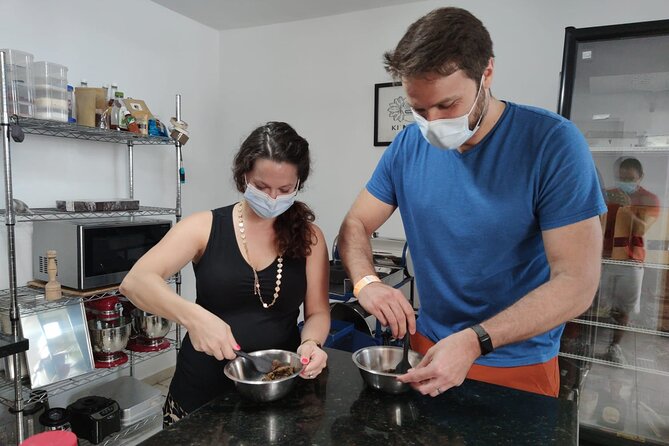
In a lot of chocolate experiences, you watch chocolate happen. Here, you help make it. Bean-to-bar is the key difference. You’re not just sampling a finished product; you’re learning the steps that shape texture and taste.
At this workshop, the focus is practical. You’ll get a close look at how cacao makers grow and handle cacao, then how that work turns into chocolate with structure. That matters because “good chocolate” isn’t only about flavor. It’s also about how the bar sets—how it breaks, how smooth it feels, and how the temper affects shine.
And yes, you’ll hear stories behind cacao. In this part of Mexico, cacao has been connected to hot chocolate traditions for thousands of years. You’ll get the background and legends while you’re actively working with ingredients, so it doesn’t feel like a lecture.
You can also read our reviews of more drinking tours in Cancun



The 4:00 pm start: how the 2-hour session really runs
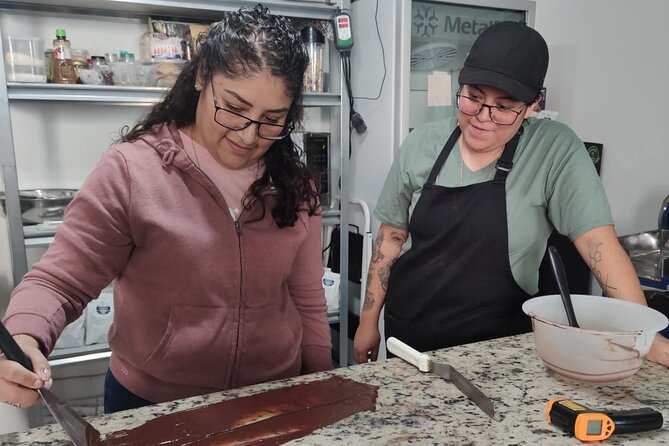
The class starts at 4:00 pm and runs about 2 hours. You meet at Carl’s Jr., Av. Tikal, Supermanzana 40, Cancún. Then the activity ends back at the meeting point, so you don’t get stuck planning a second transfer.
This format is designed to work in a short window:
- You begin with a welcome cocoa drink, so you’re in the mindset before tools and ingredients hit the table.
- Then comes the main workshop, where you follow the chef’s guidance and build your own bar.
- You end with tasting and a take-home finish (you’ll leave with your bars).
The maximum group size is 10. For a class like this, that’s a big deal. Smaller groups mean more feedback and fewer people hovering while you’re trying to temper, mix, and mold at the right moment.
Start with the cocoa welcome drink and the Maya thread
Before you make anything, you’re welcomed with a special cocoa drink made with the same chocolate used in the workshop. It sets the baseline flavor so when you taste later, you can connect what you’re creating to what you started with.
Then the chef sets the context. You’ll learn about the cacao tradition tied to the Maya, including the fact that hot chocolate was enjoyed here more than 3000 years ago. The point isn’t just trivia. It helps you understand why cacao mattered beyond sweetness—why it was tied to culture and daily life, and why these techniques still matter today.
I like this approach because it turns the class into something more personal. You’re not just learning steps. You’re learning why the ingredients and process have meaning in this region.
Hands-on chocolate making: tempering, molding, and balance
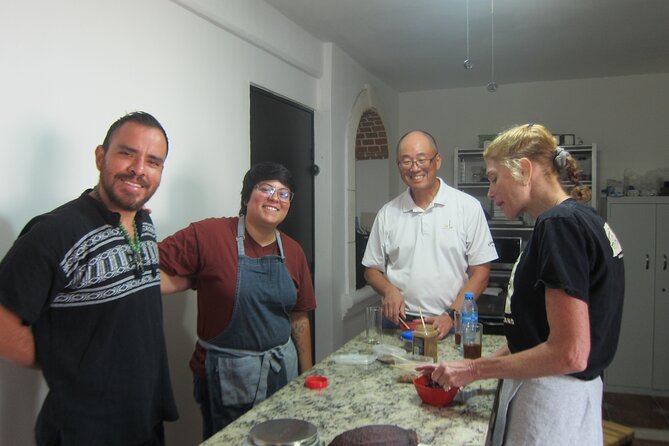
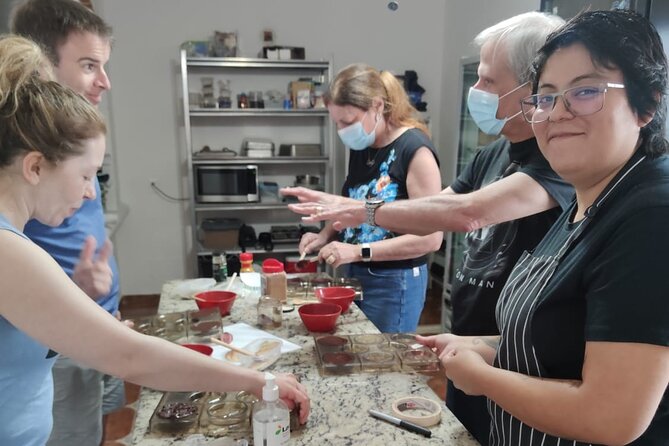
This is the heart of the experience. You’ll make your own chocolate bars guided by the chef, using ingredients and materials provided.
Here’s what you should expect to practice:
- Tempering: the process that helps chocolate set properly. This step is where texture either comes out right or turns frustrating. You’ll learn how to do a correct tempering process and why it affects the final bar.
- Molding: shaping the chocolate so it finishes cleanly and consistently.
- Ingredient handling: using your senses. This isn’t only measuring. It’s tasting and smelling as you go, which helps you pick up what’s changing in the mix.
They also emphasize how to aim for a correct balance in the finished bar. That balance comes from the combination of ingredients and the tempering outcome. It’s not only about getting chocolate to melt. It’s about getting it to set well.
Also, you’re not doing this alone in a silent kitchen. You’re learning as part of a small cooking class. That means you can ask questions while the chocolate is still in play, not after everything hardens.
If you’re coming with kids or chocolate-curious family members, this kind of hands-on structure tends to work well. In the experience, you’ll get the chance for people to physically take part—like stirring cacao ingredients—so the class feels participatory, not spectator-only.
Learn to identify real artisanal bean-to-bar quality
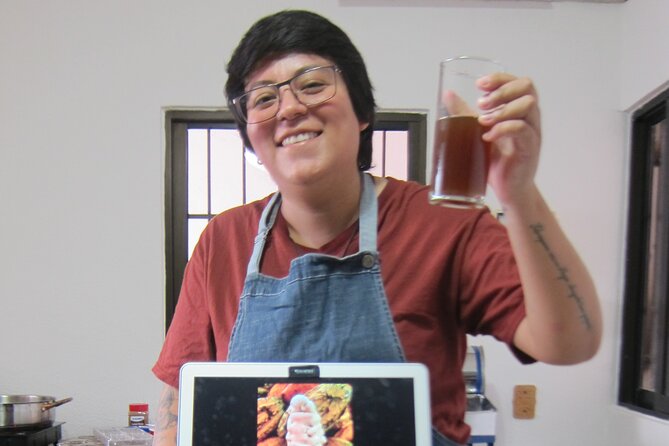
One of the more useful parts is that you’ll learn how to identify a real artisanal bean-to-bar product.
You’ll likely connect quality to what’s happening in the process. If the chocolate is made with care from cacao through the final steps, you should notice it in:
- how it smells,
- how it tastes,
- how the bar sets after tempering,
- and how consistent the flavor feels compared to mass-produced chocolate.
The tasting and sensory portion supports this. You’re not just eating chocolate; you’re training your attention. Smell can tell you a lot early. Texture tells you even more when the bar is molded and finished.
If you’ve ever eaten a “chocolate bar” and wondered why some have a pleasant snap while others feel dull or waxy, this segment gives you a clearer way to think about what you’re noticing—and why.
You can also read our reviews of more tours and experiences in Cancun
Tasting time: using your senses on purpose
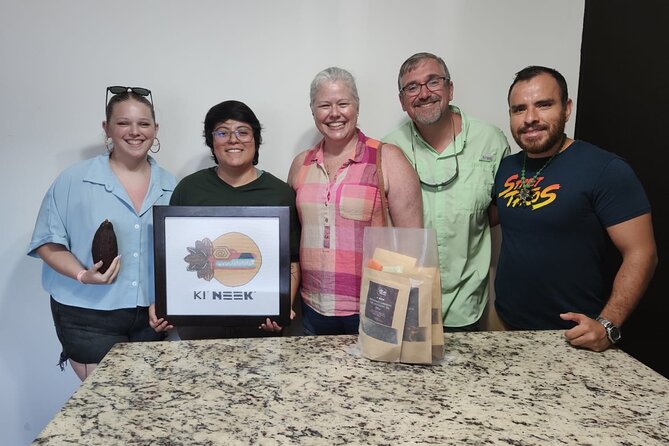
A big theme here is using all your senses, not only your palate. You’ll be able to touch, smell, and taste the ingredients and the chocolate creations made during the class.
That sensory focus helps with two things:
- It builds confidence. You learn what to pay attention to instead of guessing.
- It makes the legends and history feel practical. When you learn the story of cacao traditions, it’s not floating in the air—it connects to what cacao can taste like.
You’re also provided snacks chocolate tasting as part of the experience. It’s not just one quick bite. It’s meant to support your understanding of what you’re making.
And if you’re the type who likes to taste and compare, this workshop rewards that. The structured tasting helps you understand flavor balance rather than just eating for sweetness.
What you get to take home: your 3 chocolate bars
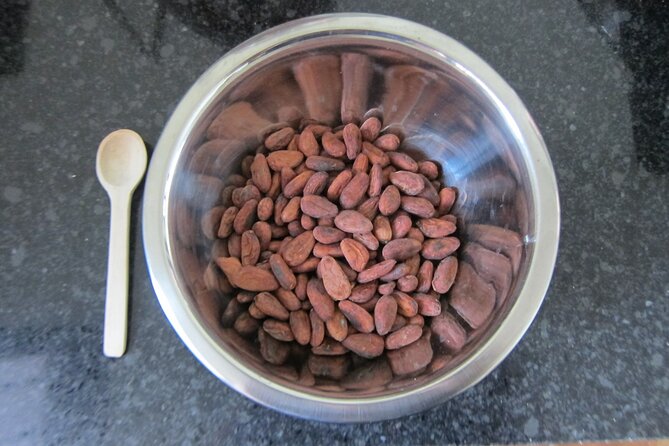
You’ll leave with 3 chocolate bars. That’s a tangible outcome you can actually share.
Take-home chocolate is more than a souvenir. It’s a reminder of what you did and what worked. If your friends ask, you can explain tempering and why the bar’s finish matters—because you’ve handled the steps yourself.
One small practical note: chocolate is sensitive to heat. Cancún can be warm, so plan how you’ll transport your bars. If you’re walking around after class, keep them protected from direct sun as much as possible.
Price and value: is $116.99 worth it?
At $116.99 per person for about 2 hours, this isn’t a bargain-basement activity. But it’s also not just a passive tasting.
You’re getting real value in a few categories:
- Hands-on instruction for tempering and molding (skills you can reuse later if you ever make chocolate again).
- Ingredients and materials included, plus snacks chocolate tasting.
- A welcome cocoa drink made with the same chocolate used in the workshop.
- 3 chocolate bars included, which offsets part of the cost with something you can take home.
- A small group size (max 10), which usually improves the quality of teaching because you get attention when you need it.
For $116.99, you’re paying for time, ingredient work, and guided skill-building. If you want a quick chocolate sample, you can find cheaper options. If you want a focused class that teaches you the process behind artisanal chocolate, this price feels more reasonable.
Who should book this workshop in Cancún?
This workshop is a strong fit if you:
- love chocolate and want the story behind it,
- like hands-on cooking classes,
- want an experience that works across ages (the format encourages active participation),
- and care about what makes a chocolate bar actually “good,” not just sweet.
It may be less ideal if you:
- don’t want to smell/touch food ingredients,
- have very specific dietary restrictions and want guaranteed accommodations (the only allergy detail provided is that allergies are addressed in the additional info—so confirm your situation with the operator before booking),
- or expect a long, multi-stop tour. This is a concentrated two-hour workshop.
Practical tips before you go
A few simple things will make your experience smoother:
- Arrive with time to find the meeting point. Carl’s Jr. is your reference spot, and your class starts at 4:00 pm.
- Wear comfortable clothes. You’ll be working with ingredients; you don’t need fancy outfits.
- Ask questions early. Tempering is easier when you understand the goal in the first minutes.
- Plan for take-home transport. Keep your bars out of direct heat.
- Bring allergy details when booking. Food allergies are mentioned as part of the additional info, so you’ll want clarity ahead of time.
Also, you’ll receive a confirmation within 48 hours of booking, subject to availability, and the workshop uses a mobile ticket. That’s helpful if you’re traveling light.
Should you book the Artisanal Chocolate Bean-to-Bar Workshop?
If your ideal Cancún afternoon is hands-on, smells-like-cacao, and actually teaches you something you can use later, I’d book it. The combination of tempering and molding instruction, the Maya cocoa context, and the fact that you leave with 3 chocolate bars makes it feel like a real workshop, not a quick attraction.
I’d think twice only if you want a totally passive experience or if you have allergies that require very specific handling—then confirm details before you pay.
If you’re a chocolate lover who enjoys making rather than just sampling, this is the kind of activity you’ll remember long after the last bite.
FAQ
How long is the bean-to-bar workshop in Cancún?
It’s about 2 hours.
Where is the meeting point?
You’ll meet at Carl’s Jr., Av. Tikal Supermanzana 40, 77500 Cancún, Q.R., Mexico.
What time does the workshop start?
Start time is 4:00 pm.
What’s included in the price?
Ingredients and materials to make your own chocolate bars, snacks chocolate tasting, presentation of the chocolate making process, bottled water (purified water), and 3 chocolate bars.
Do I get to take chocolate home?
Yes. You’ll take your own chocolate bars home, and 3 chocolate bars are included.
How big is the group?
The workshop has a maximum of 10 travelers.
What about food allergies?
Food allergies are listed under additional info. If you have allergies, confirm specifics with the provider before the class.
Is it easy to cancel if plans change?
Cancellation is free if you cancel up to 24 hours in advance for a full refund, based on local time.