REVIEW · CANCUN
Cobá Tour Cultural Experience
Book on Viator →Operated by Cancun Vacation Experts · Bookable on Viator
Cobá feels like time travel under palm shade. This Maya culture day from the Cancun area strings together a bike ride past jungle lagoons, a hands-on Mayan village visit, and a Multun-Ha cenote swim.
I especially like the way the day is guided, not just ticketed. You get a local guide who can explain the ball game meaning, why Mayan pyramids were built so tall, and how people engineered these big structures without pack animals.
One caution before you book: if you’re starting from Cancun, plan for a long drive. It can also be worth confirming current site rules, since climbing certain structures has been limited at times.
In This Review
- Key things to know before you go
- Starting Early: Pickup, Drive Time, and the Cobá Rhythm
- Bike Through Cobá Jungle: What the Ride Is Like (and the Trike Option)
- Zona Arqueológica de Cobá: The Ball Game, Pyramid Math, and Beliefs
- Mayan Village Workshop: Pottery, Tortillas, and Family-Home Moments
- Multun-Ha Cenote Multun-Ha: Swim Time in a Closed Cavern
- Popol Vuh Show With Live Mayan Music: The Evening Finale
- Lunch, Lobster Upgrades, and What You Should Expect to Eat
- What’s Included, What’s Not, and the Small Costs to Plan For
- Who This Tour Suits Best (and Who Might Want a Different Fit)
- Should You Book the Cobá Cultural Experience From Cancun?
- FAQ
- How long is the Cobá tour?
- What does the tour cost?
- What time does the tour start?
- Is hotel pickup and drop-off included?
- Is lunch included?
- Is swimming in the cenote included?
- What are the tour stops?
- Is there a group size limit?
- Is free cancellation available?
Key things to know before you go
- Small group size (up to 15 people) means more attention from the guide and a calmer pace.
- Multun-Ha cenote swimming is included, with a life jacket provided.
- Guided Cobá covers real context like the ball game and pyramid engineering.
- Mayan village workshop includes cultural activities such as pottery and classic Mexican food.
- Popol Vuh show with live Mayan music happens later in the day.
- Transport can be long if your pickup route includes multiple stops beyond Playa del Carmen.
Starting Early: Pickup, Drive Time, and the Cobá Rhythm
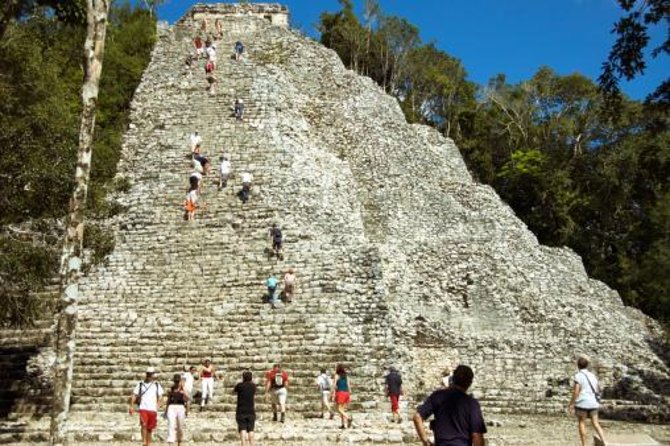
This is an 8-hour day that starts at 7:00 am, so treat it like a full excursion, not a quick outing. You’ll be picked up from a hotel and taken toward Cobá, then returned by the end of the day. In practice, the ride can make or break your experience.
If you’re going from the wider Cancun area, expect that the van route may add stops. One common snag: Cobá can take 3 to 4 hours just to reach when pickups include Playa del Carmen and sometimes Tulum on the way. That doesn’t mean the tour is bad—it just means you’ll spend less time at the ruins than you might imagine if you assumed a short transfer.
The good news? With a maximum of 15 travelers, the pacing feels manageable. It’s easier to hear your guide, and the group doesn’t swell into a slow-moving crowd.
If you’re prone to motion sickness, take that seriously. Bring what you need, and try to sit where the ride feels smoothest.
You can also read our reviews of more tours and experiences in Cancun.
Bike Through Cobá Jungle: What the Ride Is Like (and the Trike Option)
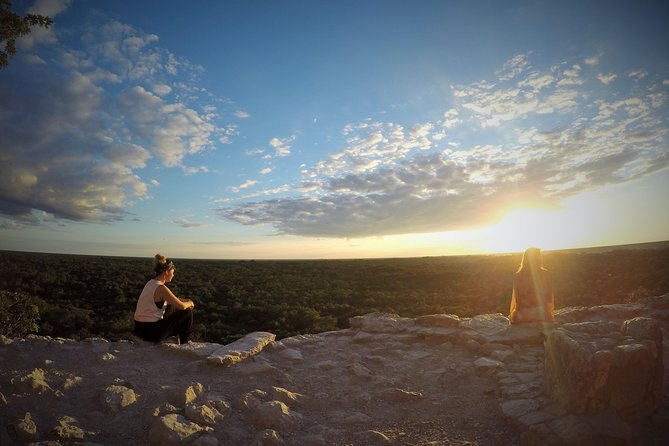
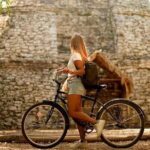
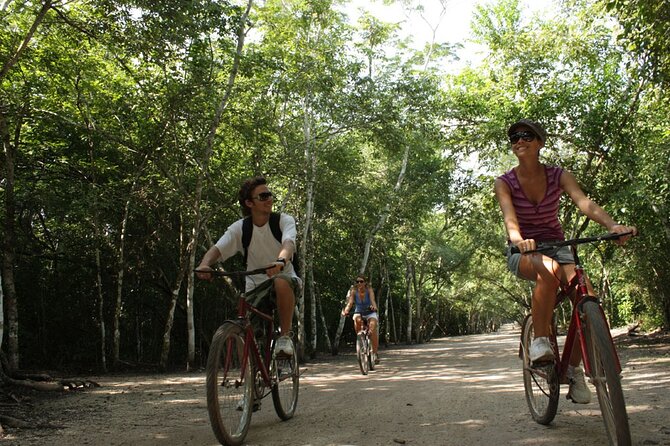
After you arrive at Cobá, you hop on a bike and pedal through a mix of jungle paths and views of lagoons and temples. This part is one of the best ways to see the site without feeling like you’re only walking on heat-soaked ground.
Here’s the practical bit: not everyone is comfortable on a regular bike. Some groups get a trike option that’s pedaled for you (and can seat two people up front). That can be a lifesaver if you want the experience but don’t want the stress of balancing a bike while navigating uneven paths.
Also, get ready for the fact that Cobá has had changing rules over time. Climbing certain structures has been limited during some periods, and photos online can make it look easier than it is in the current moment. Before you go hoping for specific summit views, I recommend asking your operator what climbing is allowed today. It can change based on site rules and safety decisions.
When it all comes together, the bike segment is a “moving viewpoint.” You get the jungle, then you get the ruins, without the day turning into a sweaty march.
Zona Arqueológica de Cobá: The Ball Game, Pyramid Math, and Beliefs
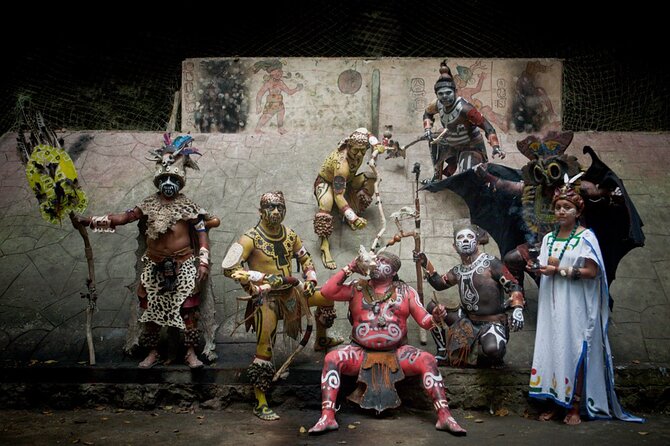
The first guided stop focuses on what Cobá means to the Mayans—not just what it looks like. Expect explanations that go beyond names and dates.
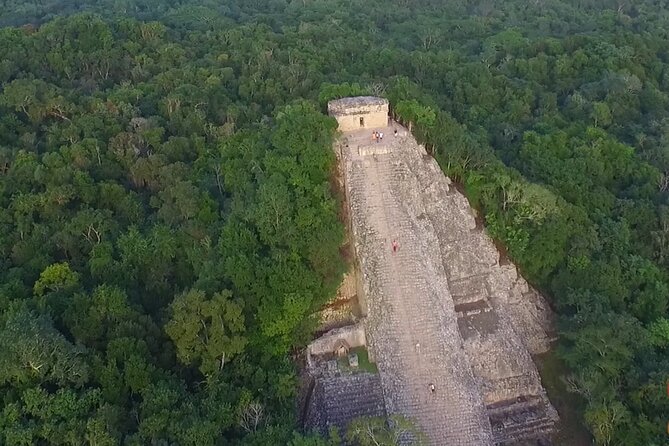
You’ll learn about the Mayan ball game, including what it represented within Mayan belief systems. You’ll also hear why the pyramids were built so high, and how builders achieved that without the kind of animal transport people often assume. The guide’s job here is to make you look at the structures and think, Okay, how did they do that?
This is where a good guide matters. Some guides for this route include people like Greg, and the common thread is clear communication and real local context. Even if you know a bit about the Maya already, this stop helps you connect the physical site to the culture that created it.
The time here is short—about 30 minutes—so don’t treat it like a long museum tour. Instead, treat it like orientation. You’re getting the story so the rest of the ruins and activities make sense.
Mayan Village Workshop: Pottery, Tortillas, and Family-Home Moments
After the main ruin time, you shift gears into daily life. This Mayan village stop is built around cultural activities—especially pottery and traditional food.
What to expect:
- You’ll visit a Mayan villa to learn how people lived in pre-Columbian times.
- You’ll likely take part in a pottery-making activity.
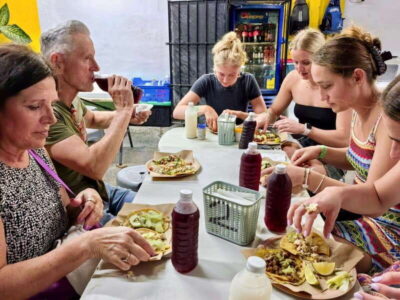
- You’ll see how classic Mexican dishes get made, and tortillas are part of the meal experience.
Based on real on-the-ground feedback, pottery can feel more like a quick taste than a full craft class. You may get only a small amount of clay and be guided through the basics at a fast pace. If you love hands-on art and want time to slow down, you might find this portion “fun, but short.”
On the food side, tortillas tend to land well. Some families prepare tortillas with spreads like pumpkin seed, and the result can be surprisingly memorable—especially after a morning that’s been mostly movement and heat.
A few cultural details can make this stop feel more alive. Some guides point out plants used for medicinal purposes, and you might even see a family setup like bee hives during the visit. It’s the kind of moment that makes the experience feel less like a scripted stop and more like learning from people who still live with these traditions nearby.
If you want to maximize this part, keep your questions simple: How do you use it? Who taught you? What’s changed, and what didn’t?
Multun-Ha Cenote Multun-Ha: Swim Time in a Closed Cavern
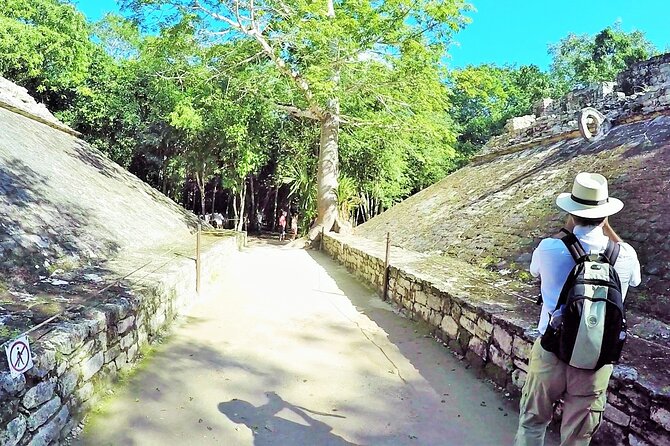
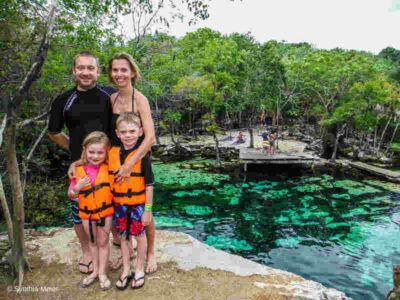
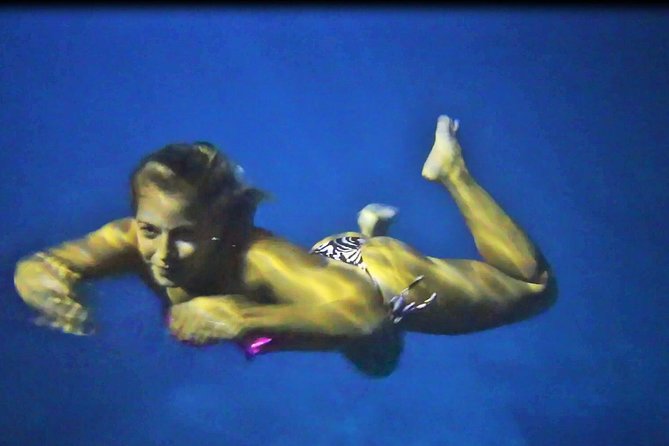
Then you cool off at the Multun-Ha cenote, described as a sacred, vault-type cenote with a more enclosed cavern feel. The time here is about 45 minutes, and swimming is part of the experience.
The most helpful detail: you get a life jacket. That takes some of the pressure off, especially if you’re not a confident swimmer. It also helps the staff keep the group safe in the water.
Practical tips for cenotes:
- Wear a swimsuit under your clothes. You’ll save time.
- Bring a small bag to keep your phone dry.
- Go slow when entering the water, since you’re moving from bright daylight into a darker space.
Cenotes are special because they feel like nature’s architecture. Even if you’ve swum in other cenotes before, this one’s “closed cavern” style changes the mood—cool, quiet, and a bit mysterious.
This stop is also a good reason to choose the cultural version of the day. The swim is included, so you don’t have to add extra activities just to get one of the big highlights.

Popol Vuh Show With Live Mayan Music: The Evening Finale
The final major cultural block is a show based on a passage from the Mayan codex Popol Vuh, presented with live music by authentic Mayan artists. Expect about 1 hour for this part.
If you like culture delivered through performance—not just lectures—this is a satisfying finish. It ties back to what you heard earlier about Mayan belief, since Popol Vuh storytelling sits at the center of many Maya cultural themes.
Timing matters here. Some people book with expectations about sunset and specific dinner moments. If you’re chasing a particular sequence—ruins at golden hour, then lobster dinner with a show—I’d confirm the schedule before you go. The day can run in a way that doesn’t always match the vibe implied by the name of a package.
That said, the show itself is one of the most consistent values of the full experience. Even when people had complaints about other parts, the performances and music tended to be the bright spot.
Lunch, Lobster Upgrades, and What You Should Expect to Eat
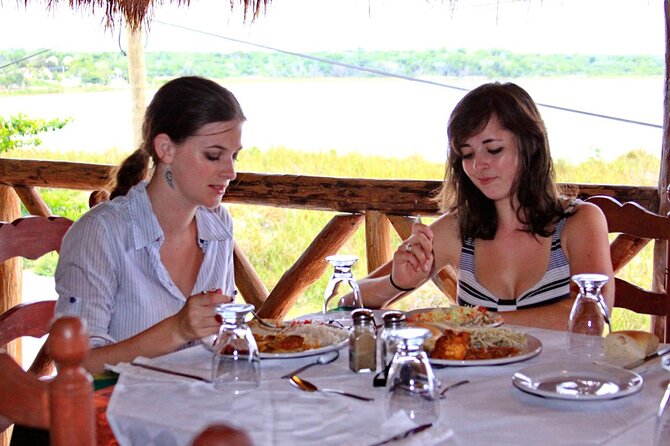
You’ll get lunch, and it’s described as a buffet inspired by Mexican specialties. Bottled water is included too.
There’s also an upgrade option in some packages where you may get lobster and watch a Mayan show. Here’s the practical caution: if you’re paying for a specific dinner outcome (lobster plus show timing), ask what exactly is included and when the food arrives.
Some real-world stories include cases where the lobster upgrade didn’t land as expected—like missing a promised dinner/show component or getting food delays that change the pacing. That’s not something you want to experience for the first time after a long drive, so it’s smart to verify your exact plan.
A simple strategy: keep your expectations flexible. The standard buffet is part of the tour value, and even when upgrades happen, the experience still revolves around Cobá, the village, the cenote, and the show.
Also, you’ll likely have chances to shop along the way (especially near the dinner venue). If you want souvenirs, set aside a budget and some cash before you sit down for the meal.
What’s Included, What’s Not, and the Small Costs to Plan For
This tour includes:
- Hotel pickup and drop-off
- Local guide
- Lunch
- Bottled water
- Life jacket
- Cenote swimming
Not included:
- Photos or souvenirs
Now for the real-world money advice: while tipping isn’t listed as an official requirement, the day can involve multiple people—drivers, guide helpers, performers, and hosts. Some people recommend having cash and small bills ready so you’re not scrambling at the worst moment.
If you have a “no cash, no problems” travel style, you can still try—just be aware you might find it easier to give tips in person with smaller denominations if the opportunity comes up.
And if you want optional activities like zipline, that’s presented as an option depending on which route you choose during the day. You don’t need it to enjoy the cenote and cultural stops, but adventure-minded people can add it.
Who This Tour Suits Best (and Who Might Want a Different Fit)
This cultural version is a strong choice if you want:
- A guided day at Cobá without doing logistics on your own
- Cultural context—ball game meaning, pyramid reasoning, and Mayan village life
- One major nature moment: Multun-Ha cenote swimming
- A small group atmosphere (up to 15), which usually makes the day feel more personal
It’s also a decent option for families who can handle a bike route and a short swim. One parent shared that a trike option helped their child still enjoy the riding without stress.
Where you might think twice:
- If you’re sensitive to long transfers from Cancun, the drive time can reduce how much time you feel you got at Cobá.
- If climbing ruins is a top goal for you, confirm what’s allowed today. Rules can shift.
- If you’re booking a package marketed around sunset and dinner timing, confirm the schedule so you’re not disappointed when the day runs a bit differently.
In other words: if you’re here for the culture + cenote + ruins combo, you’re in the right place.
Should You Book the Cobá Cultural Experience From Cancun?
I’d book this if you want a guided cultural day that includes both history and a real swim—without having to coordinate tickets, guides, and transport yourself. The best part is how the day ties together: ruins with meaning, village life, then cool off in the cenote.
I’d be cautious if you’re expecting a very specific sunset-and-dinner sequence. Ask what happens when, especially if you’re paying for an upgrade like lobster. The drive can be long from the Cancun side, so you’ll want your time at Cobá to feel worth it.
If your priority is just Cobá ruins and nothing else, you might end up feeling rushed. But if you like the idea of seeing Cobá, then learning how Mayan culture connects to daily life and belief, this tour hits that sweet spot.
FAQ
How long is the Cobá tour?
The tour lasts about 8 hours.
What does the tour cost?
It costs $139.99 per person.
What time does the tour start?
The start time is 7:00 am.
Is hotel pickup and drop-off included?
Yes. Hotel pickup and drop-off are included.
Is lunch included?
Yes. Lunch is included.
Is swimming in the cenote included?
Yes. Cenote swimming is included, and a life jacket is provided.
What are the tour stops?
You’ll visit the Zona Arqueológica de Cobá, a Mayan village, the Multun-Ha cenote, and a show related to Popol Vuh.
Is there a group size limit?
Yes. The tour has a maximum of 15 travelers.
Is free cancellation available?
Yes. You can cancel up to 24 hours in advance for a full refund.