REVIEW · CANCUN
Whale Sharks Small-Group Tour in Cancun and Riviera Maya
Book on Viator →Operated by EcoColors Mexico · Bookable on Viator
Swimming with whale sharks hits different. This full-day trip off the Yucatán coast lets you get up close to the world’s largest fish with a marine biologist guide and a tight small group.
I especially like the snorkeling kit is handled for you (life jacket, fins, snorkel, visor), and I like that guides can steer you with calm, practical instructions once you spot the sharks.
One thing to consider: sightings are never guaranteed, and your time in the water can be brief, especially when conditions or the sharks move fast.
In This Review
- Key things that make this whale shark tour tick
- Price and value: what $160 buys, and what costs extra
- Getting there: hotel pickups and how the day really feels
- Puerto Xtabay briefing: where the rules start to make sense
- Finding whale sharks: onboard spotting and the no-guarantee reality
- Your snorkel turn: gear, pace, and why minutes feel like an hour
- Life jacket or wetsuit (if offered)
- Isla Mujeres lunch at Playa Norte: the break you’ll appreciate
- Sunscreen, seasickness, and other real-world comfort fixes
- Safety and wildlife rules: why some expectations need tweaking
- Who this tour suits best
- Should you book this whale shark snorkeling tour?
- FAQ
- How long is the whale shark tour?
- Where does pickup happen?
- Where is the tour briefing and where does it start?
- Is snorkeling equipment included?
- Do I need to pay anything extra on the day?
- Are whale shark sightings guaranteed?
- What if weather prevents snorkeling?
- What sunscreen can I use?
- What languages are available for the guide?
- How big is the group?
Key things that make this whale shark tour tick
- Marine biologist narration before and during the search helps you know what you’re seeing
- Small group format (10 people on the boat) keeps the jump-in process from feeling chaotic
- Two opportunities to get in the water when conditions and wildlife rules line up
- Mineral sunscreen only, plus a strict policy about what you can use on the boat
- Lunch with fish ceviche and sandwiches on Isla Mujeres, plus water and soft drinks
- $20 USD in cash dock/environmental tax per person on the day
Price and value: what $160 buys, and what costs extra
At $160 per person, this is not a budget snorkel. You’re paying for the hard part: getting a boat out to the whale shark feeding areas, having a guide who watches for them, and running a tight small-group schedule so fewer people are waiting around.
The price includes hotel pickup (in many zones), an air-conditioned shared ride, lunch onboard (fish ceviche and sandwiches), water/soft drinks, and snorkeling equipment (including a life jacket). You also get a short briefing at the marina before you head out.
What you should plan for: the reef tax and dock use fee is $20 USD in cash per person. You’ll want that cash ready the day of the tour, because this is one of those “no cash, no boarding” moments that can ruin your mood.
You can also read our reviews of more whale watching tours in Cancun
Getting there: hotel pickups and how the day really feels
On paper, the tour runs about 8 hours. In real life, that usually depends on where you’re picked up and how many hotel stops happen before the boat leg. If you’re staying on the far edges of Cancun or Riviera Maya, you’ll likely feel the “full-day” part more than you expect.
Pickup is available from many hotels across Cancun, Playa del Carmen, Tulum, and the Riviera Maya area. If you booked through Airbnb, the operator typically meets you at a nearby public point to keep delays down.
Once you reach Puerto Xtabay (Puerto Juárez area), you’ll get a 30-minute orientation, then the boat ride begins. Expect a bouncy, sea-spray type of morning and bring patience for the search time—finding whale sharks is part science, part luck.
Puerto Xtabay briefing: where the rules start to make sense
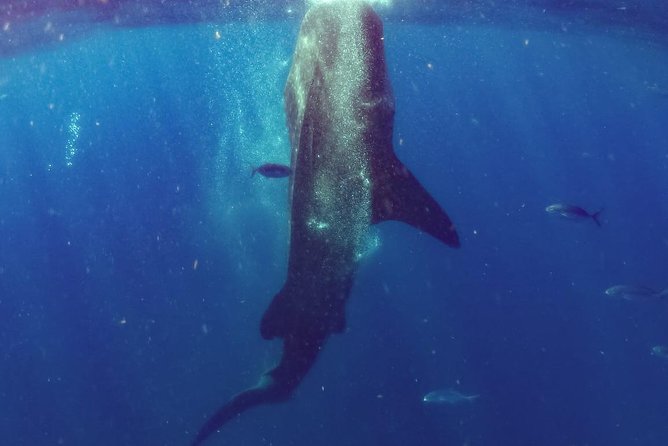
Your morning starts at Marina Xtabay, Puerto Xtabay | Restaurante, where the certified guide explains how whale sharks feed, how they behave, and how to interact safely. This isn’t just “watch for a fin.” It’s the practical stuff: what to do when you get in, how to move so you’re not churning the water, and how the crew manages turns in the water.
I like this stage because it sets expectations. It also helps you relax once you’re actually in the ocean—your brain stops asking questions and starts noticing details like surface feeding behavior and how whale sharks track plankton.
This briefing is also the moment to confirm your comfort level. If you’re a strong swimmer, you’ll likely be able to keep pace more easily. If you’re not, that’s still fine—you just need to know the snorkeling turns can be fast and short.
Finding whale sharks: onboard spotting and the no-guarantee reality
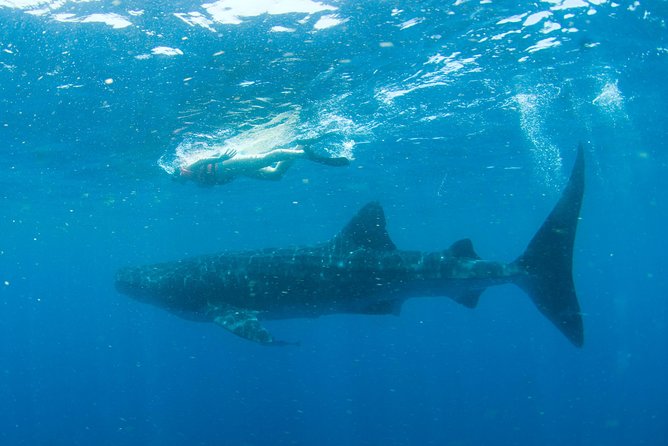
This tour searches off the Yucatán coast with a marine biologist guide directing the operation. That’s the key difference between a casual snorkel and a true “look for whale sharks” day: someone is actively watching and making calls.
Here’s the honest part: sightings are not guaranteed. The operator gives a no-sighting guarantee in the sense that they will do everything possible that day to maximize your odds. That means time spent looking, adjusting routes, and trying again if the first area doesn’t produce.
Also, weather matters. When seas get rough or plankton conditions change, sightings can be harder and snorkeling may be limited. Some days are smooth and magical; other days are more of a test of weather luck.
Your snorkel turn: gear, pace, and why minutes feel like an hour
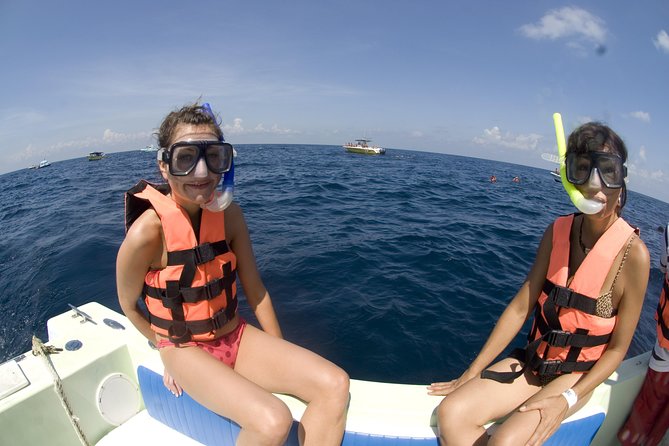
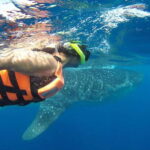
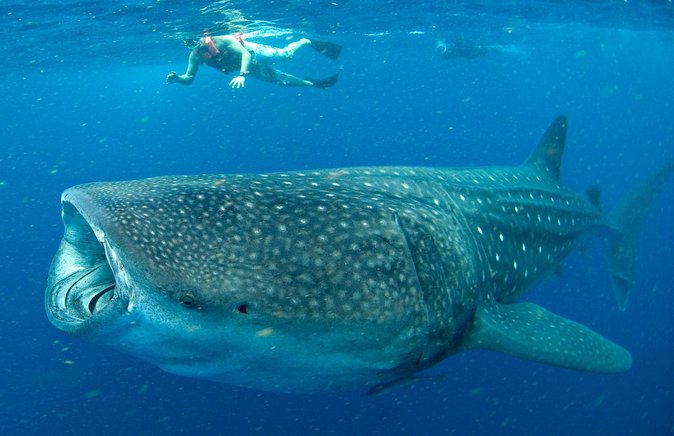
Once the whale shark is spotted, you get snorkeling gear and jump in with small-group timing. The tour’s model is that you and a partner group enter in a controlled way, then rotate—so not everyone floods the same patch of water at once.
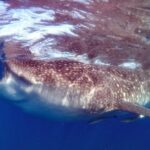
This is where you should be mentally prepared: your time in the water can be brief. In good moments, you might see feeding behavior up close for a few minutes. In other moments, you might only get a short pass before the whale sharks move on.
You’ll swim alongside them, and yes, you’ll want a strong kick because whale sharks can move through the water at a surprising clip. I recommend treating this as a steady sprint, not a float-and-watch situation.






Life jacket or wetsuit (if offered)
The included gear covers you with a life jacket plus fins, snorkel, and visor. Some crews may offer wetsuit rentals on-site, and people who tried them said it helped with comfort and mobility. If you’re sensitive to cold or you prefer less “float,” it’s worth asking what’s available that day.
Isla Mujeres lunch at Playa Norte: the break you’ll appreciate
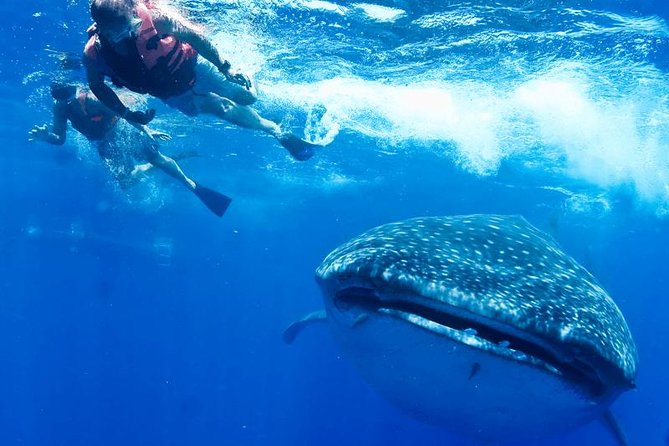
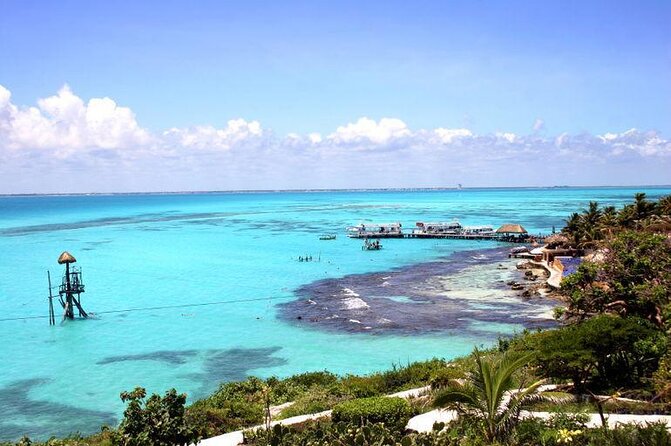
After the main swim portion, you head toward Isla Mujeres and cruise out by Playa Norte. Lunch is served onboard with fish ceviche and sandwiches, plus water and soft drinks. It’s a welcome reset after time in open water and sun.
Playa Norte has a reputation for being one of the big beach highlights here, and it shows in how calm and swim-friendly it feels once you’re off the boat. You get downtime to relax, rinse off as best you can, and enjoy the ocean view without the frantic “keep up with the guide” energy.
One small thing to keep in mind: lunch is filling, but it’s more of a boat-friendly meal than a huge sit-down feast. If you get hungry easily, bring a snack for the travel time in the vehicle.
Sunscreen, seasickness, and other real-world comfort fixes
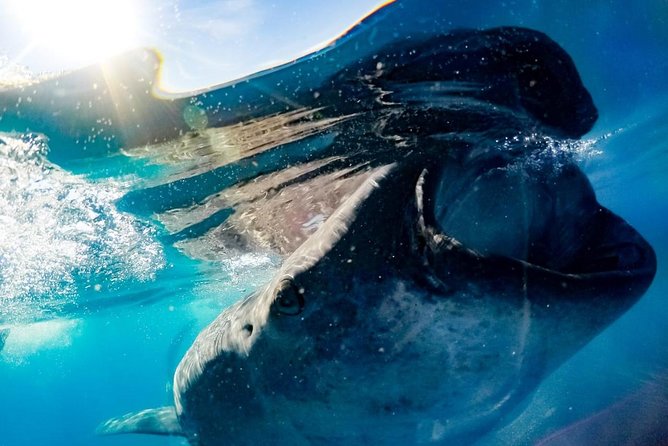
This operator has strict sunscreen rules: only mineral sunscreen is permitted, and you can’t rely on regular sunscreen habits. People also recommend long sleeves and a hat because you want protection without breaking the policy.
I’d treat sunscreen like a checklist item before you leave your room. Bring mineral sunscreen, plus a hat and sunglasses. And if you’re worried about motion, ask your doctor about seasickness pills ahead of time—some people do use medication, and others just white-knuckle it.
If you plan to film, a waterproof phone case is a smart idea. Several people mentioned that video comes out better when your phone is protected and secure, and you’re not trying to hold it while adjusting fins and mask.
Safety and wildlife rules: why some expectations need tweaking
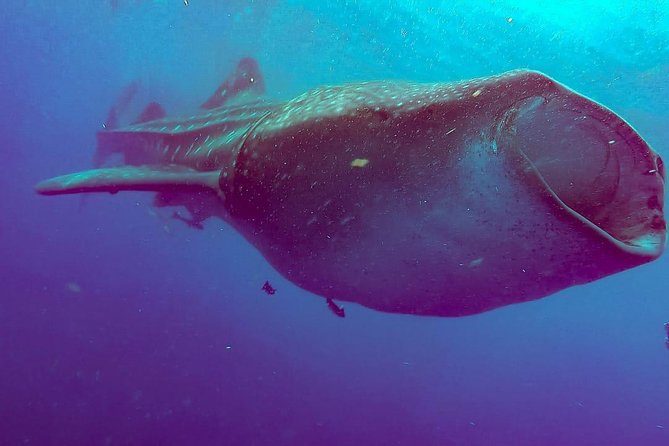
Wildlife rules shape what you actually experience. That’s why you may not always get two full “swim sessions” with the whale sharks, even when you’ve paid for a full day. The crew has to manage safe timing for everyone in the water at once, plus the whale sharks’ movement and behavior.
Some people reported moments where only a portion of the group got in the water due to regulations. Others felt they got more than enough time to feel the magic. Both can be true because whale shark encounters depend on animal positioning and how the crew schedules turns.
The best mindset is: you’re not booking a guaranteed long snorkel. You’re booking a focused chance to swim with a top-of-the-ocean animal, run by a team that’s trying to do it the right way.
Who this tour suits best
This works best if you:
- can swim comfortably in open water for short, fast turns
- want a small-group format instead of a huge crowd pile-in
- prefer guided narration and safety structure
- are excited by the chance to see whale sharks feeding at the surface
It may feel like a mismatch if you:
- need long, slow snorkeling time (the turns can be short)
- have major motion sickness issues and haven’t planned for it
- are expecting a full beach day plus a long underwater experience
The minimum age is 5, but what matters most is physical comfort in the water and your ability to keep pace during your turn.
Should you book this whale shark snorkeling tour?
Book it if whale sharks are your top priority and you’re ready for a focused encounter. The value is strongest when you care about small-group handling, decent equipment, and a guide-led search that’s trying hard to put you in the right water at the right time.
Skip or shop around if you’re the type who gets disappointed by short “in-water windows,” or if rough seas would ruin the day for you. In that case, you might feel happier with a tour that offers a longer, more flexible water plan.
If you do book, bring mineral sunscreen, a hat, a plan for seasickness, and cash for the $20 USD dock/environmental tax. Those small details make the whole day smoother.
FAQ
How long is the whale shark tour?
It runs about 8 hours, including pickup, the marina briefing, time on the water, lunch, and the return trip.
Where does pickup happen?
Pickup is offered from many hotels around Cancun, Playa del Carmen, Tulum, and the Riviera Maya. If you book with an Airbnb, the pickup may be at a nearby public meeting point to speed up arrival times.
Where is the tour briefing and where does it start?
The tour starts at Marina Xtabay, Puerto Xtabay | Restaurante for a briefing before you head out on the boat.
Is snorkeling equipment included?
Yes. You get snorkeling equipment including a life jacket, visor, fins, and snorkel.
Do I need to pay anything extra on the day?
Yes. You must pay a $20 USD environmental tax and dock use fee in cash per person on the day of the tour.
Are whale shark sightings guaranteed?
No. Sightings are not guaranteed. The operator says they will do everything they can to maximize your chances that day.
What if weather prevents snorkeling?
Weather conditions can prevent snorkeling at times, and the experience requires good weather. If the tour is canceled due to poor weather, you’ll be offered another date or a full refund.
What sunscreen can I use?
Only mineral sunscreen is permitted. You should also bring it so you can follow the on-day rules.
What languages are available for the guide?
The tour is offered in English, and it includes a bilingual naturalist guide.
How big is the group?
The tour is described as a small group (10 participants). The overall activity also lists a maximum of 99 travelers.