REVIEW · CANCUN
2 Days Class: SDI Open Water Diver Certification in Cancun
Book on Viator →Operated by A' HA' Scuba Diving · Bookable on Viator
If you want a scuba license fast, this is the clean path. You’ll do online SDI theory, then jump into pool skills and real ocean training around Cancun with a small team and careful guidance. I like how the format is built for vacation time, not for weeks of scheduling.
Two things I especially like: first, the instruction is hands-on and structured, with practice in the pool before you head out. Second, the crew—Carolina and Marin (plus Timoteo on some days)—keeps you calm and focused, with clear briefings and close supervision during each water session.
One drawback to consider: you’re working on a tight timeline and there are hard safety limits. If you can’t complete required skills in the water, there’s no refund, and certain medical conditions mean you can’t participate.
In This Review
- Why This Cancun Open Water Course Feels Good From Day One
- Quick Snapshot: Price, Time, and What’s Actually Included
- Day 1: Online Prep Done Right, Then Pool Skills at 8:00
- Pool training from about 8:00am to 1:00pm
- First two tank sessions: MUSA Underwater Museum and a reef
- Day 2: 11:00am to 5:00pm and Your Final Skill Check
- Additional skills practice first
- Two more tank sessions to finish your certification
- Meet the Team: Why Carolina and Marin Matter
- The Underwater Locations: What MUSA and the Reef Teach You
- MUSA Underwater Museum
- Cancun Reef training
- Boat Time, Nausea Help, and Real-World Comfort Tips
- Safety Rules You Must Know Before You Pay
- Value Check: Is $600 Fair for What You Get?
- Who This Course Fits Best
- Key Things I’d Plan Before You Go
- FAQ
- FAQ
- What certification do I get?
- How long is the course?
- Does the course include online theory?
- How many tank sessions are included?
- What equipment is included?
- Do I need to know how to swim?
- Are there medical conditions that prevent participation?
- What should I bring, and is sunscreen allowed?
- Should You Book This Cancun Open Water Course?
Why This Cancun Open Water Course Feels Good From Day One
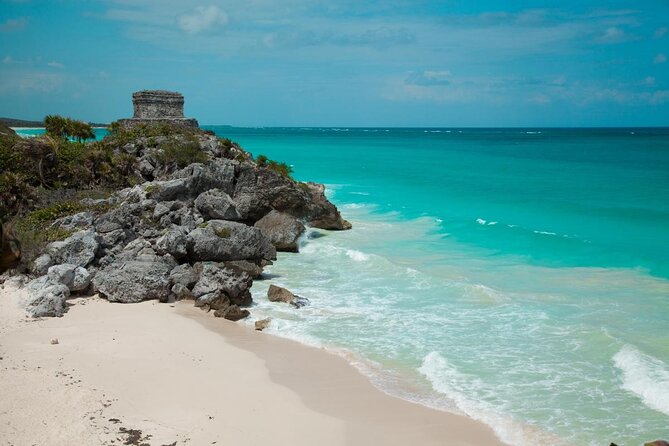
This course is built around a simple idea: get your homework done online, then spend your vacation time learning the physical skills where they matter. You’ll receive codes to study the SDI e-learning material and take the online exam in advance. By the time you arrive, you can focus on gear setup, safety drills, and confidence-building—rather than cramming theory while you’re trying to enjoy Cancun.
It also helps that the class is small. The info I have lists a maximum of eight people, and the activity listing also notes a maximum of four travelers—either way, you should expect the kind of coaching where you’re not lost in a crowd. That matters when you’re learning buoyancy, mask clearing, and regulator control for the first time.
Quick Snapshot: Price, Time, and What’s Actually Included
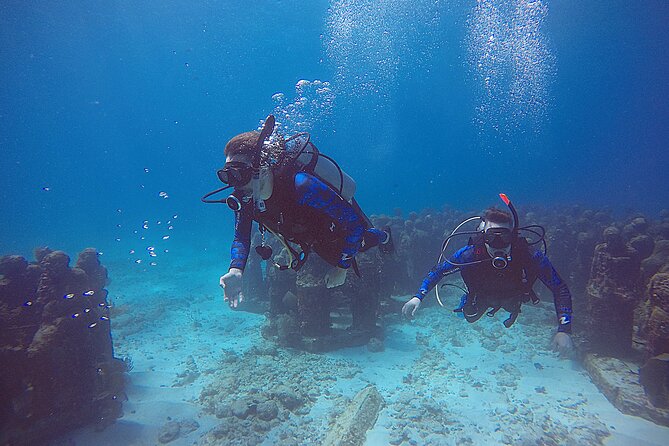
The price is $600 per person for a 2-day SDI Open Water certification course. In many places, the cost of certification can balloon once you factor in gear, tanks, instructors, and the formal paperwork. Here, you get the core package: e-learning materials, equipment, four tank sessions, plus the license and logbook.
Duration is approximate, but the pacing is clear:
- First day: pool skills early, then two training sessions starting around the late morning/early afternoon.
- Second day: additional practice and two more tank sessions, finishing with your certification.
Included gear is solid and specific: BCD, regulator, mask, fins, and wetsuit, plus tanks and weights. You’re also covered with a logbook and the SDI Open Water Diver license.
Not included: photos/videos (optional) and transportation from your hotel. If you’re staying outside the Zona Hotelera area, you’ll want to plan your ride and not assume pick-up.
You can also read our reviews of more tours and experiences in Cancun



Day 1: Online Prep Done Right, Then Pool Skills at 8:00
The day starts with a short travel reality check: the meeting point is Hotel Sotavento Cancun (Km. 4, Blvd. Kukulcan, Zona Hotelera). The start time is listed as 7:00am, and your first-day training begins at 8:00am. That gap is usually where you’ll check in, get your gear, and do any last instructions before the pool work.
Pool training from about 8:00am to 1:00pm
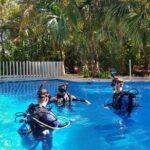
The pool segment is the foundation. This is where you learn scuba skill drills in a controlled environment—so you can build muscle memory before you’re underwater in open water conditions.
What you should expect:
- Gear assembly and setup (you’ll be expected to know what you’re doing)
- Core safety and control skills
- Repetition until you can do them consistently
The reviews I read put a lot of weight on this pool-first approach. One highlight was that Marin had students assemble gear themselves as part of the course, which sounds small—but it’s huge. You’ll remember how things go together, so your first day underwater is about breathing and control, not panicking about equipment.
First two tank sessions: MUSA Underwater Museum and a reef
After the pool skills, day one includes two tank sessions:
- MUSA Underwater Museum
- A reef
MUSA is a very popular underwater attraction, and learning in a place like that helps the training feel less like a chore. Still, treat it as a course site: your main goal is to demonstrate the skills you practiced.
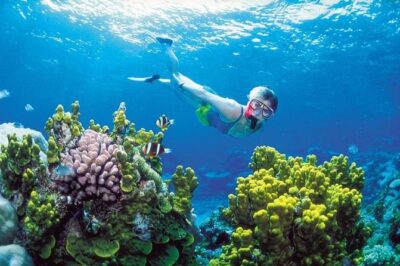
For the reef session, think of it as a shift from “interesting objects” to “living water.” You’ll get a taste of marine life while still focusing on control, communication, and buoyancy.
Day 2: 11:00am to 5:00pm and Your Final Skill Check
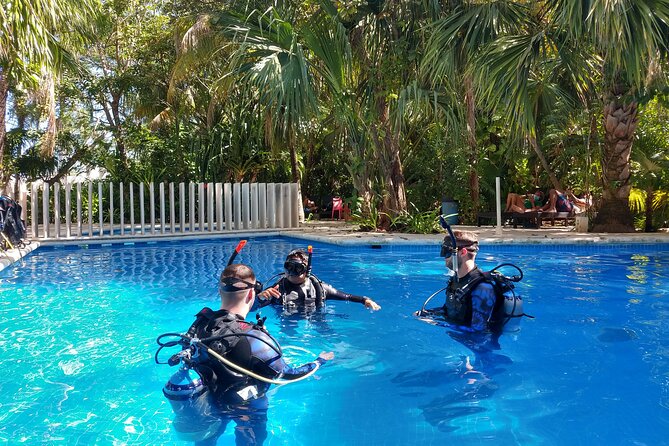
Day two starts later—around 11:00am—and runs until about 5:00pm. You’ll do more practice, then complete the remaining tank sessions, finishing with your certification.
You can also read our reviews of more tours and experiences in Cancun
Additional skills practice first
The morning is for refinement. This is where you iron out the common new-diver friction points:
- mask clearing and regulator control under realistic conditions
- keeping stable buoyancy
- practicing underwater communication and safety responses
The instructor approach matters here. Multiple reviews highlight that the teaching stays thorough and patient, with constant attention underwater so you’re not left guessing.
Two more tank sessions to finish your certification
The second day includes two additional tank sessions. The planned training areas are the Caribbean side around Cancun (with reef work specifically mentioned in the course overview).
There’s also a practical note: the schedule can change with weather. One review described a situation where the port was closed due to wind, and the team adapted by taking the group to cenotes instead of canceling. If you’re booking, it helps to think of these days as training blocks with flexible site options, not a guarantee of one exact route.
Meet the Team: Why Carolina and Marin Matter
Carolina and Marin are repeatedly named in the reviews, and Timoteo shows up as well. What matters isn’t celebrity status—it’s the style of teaching.
Here’s what the reviews consistently point to:
- Carolina handles pre-trip coordination: paperwork, answers before arrival, and support when schedules needed adjustment.
- Marin and Timoteo provide instruction that stays close, calm, and standards-based.
- The briefings are thorough, and underwater supervision is frequent enough that you don’t feel like you’re out on your own.
One review also mentioned communication drills underwater and extra emphasis on survival skills. That’s the right vibe for first-time certification: you’re not just sightseeing, you’re learning what to do if something goes wrong.
The Underwater Locations: What MUSA and the Reef Teach You
MUSA Underwater Museum
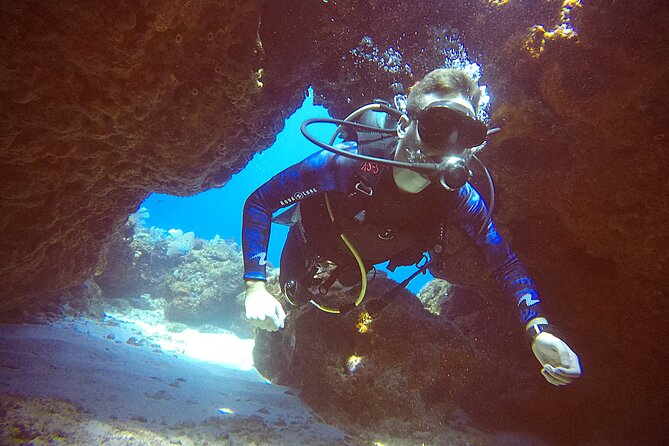
MUSA is a good training environment because it’s structured and visually engaging. You’ll still follow your instructor’s plan and focus on skills, but the setting makes it easier to stay engaged while practicing control.
You might not get a perfect “pose for photos” moment—this is training, not a content day—but it’s a memorable place to learn.
Cancun Reef training
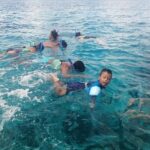
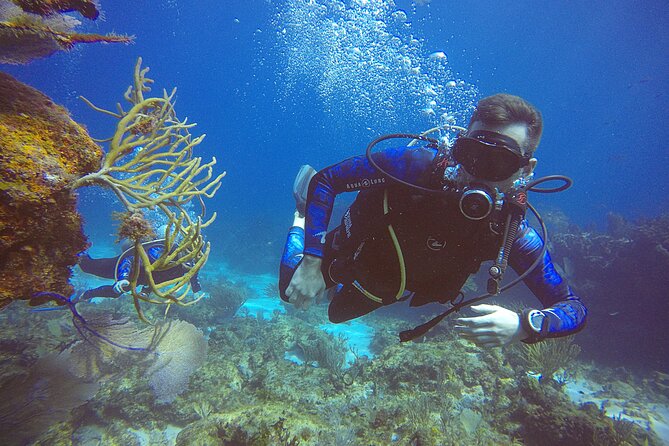
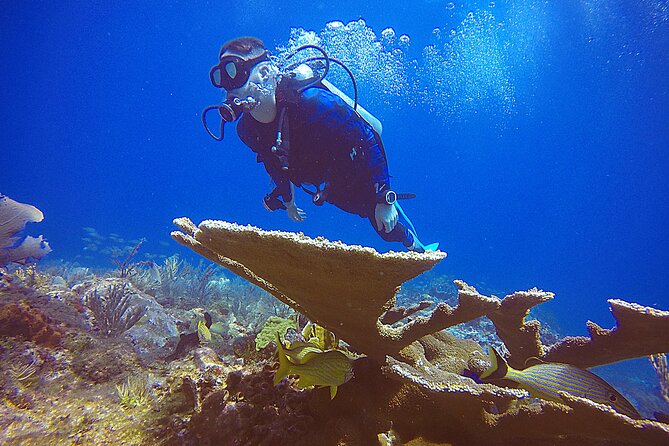
The reef session is what turns “scuba skills” into “ocean awareness.” In reviews, people describe clear water and lots of marine life, including fish and larger animals like rays and sea turtles (your exact sightings will vary with conditions and season, of course).
The training value here is real: learning buoyancy and control becomes more important when you’re surrounded by living things and want to avoid contacting the bottom or coral.
Boat Time, Nausea Help, and Real-World Comfort Tips
This is an activity with boat time, and that’s where comfort can make or break your experience.
They recommend anti-nausea pills 1 to 2 hours before getting on the boat. If you’ve had motion sickness before, take this seriously. Don’t tough it out. Feeling good helps you learn faster.
Packing smart matters too:
- Bring your ID
- Towels
- Swimsuit and anything else for personal care
- Don’t bring sunscreen/sunblock for the water—sunscreen is not allowed for coral protection
That last point surprises a lot of people. It’s not that sunscreen is banned everywhere—it’s that it’s not allowed for coral protection in this context. Plan on protective clothing for sun safety, and follow staff guidance for what’s permitted.
Safety Rules You Must Know Before You Pay
This course has clear medical and ability restrictions. Based on the info provided, you cannot dive if you have:
- asthma
- heart or brain problems
- high blood pressure
- lung lesions
- organ transplant
- diabetes
- epilepsy
- any surgery less than 1 year
If any of these apply, don’t assume you can “push through.” Check with the provider before booking so you don’t run into an abrupt stop.
There’s also a skill requirement: you must know how to swim and be able to perform scuba skills in the water. If you can’t complete the skills, you can’t proceed for safety reasons, and there’s no refund because the service has been provided.
After your last tank session, plan your travel. They note you need to rest 24 hours after diving before taking an airplane.
Value Check: Is $600 Fair for What You Get?
For many new divers, certification cost is about more than the number on the page. It’s about whether you’re paying for real instruction and gear—plus the official paperwork.
In this package, you’re getting:
- SDI e-learning materials (so you arrive prepared)
- an online exam tied to the certification pathway
- four tank sessions
- full equipment (BCD, regulator, mask, fins, wetsuit)
- tanks and weights
- the Open Water Diver license and logbook
What you don’t get (from the provided info):
- transportation from your hotel
- photos/videos (optional)
- any extra add-ons
If you already know you want SDI certification and you want the structure to happen fast, this price feels like it lands in the zone of practical value rather than a bargain-or-bust deal. The big cost-saver is that you’re not paying extra for the gear and core in-water training.
Who This Course Fits Best
This is a great match if:
- you want open water certification in two days
- you’re comfortable completing the e-learning and exam ahead of time
- you value close coaching and repetition (pool-first training)
- you want your first serious underwater experiences around MUSA and reef sites near Cancun
It’s not the best match if:
- you’re hoping for a totally passive vacation with no skill practice
- you’re worried about completing in-water skills
- you have a medical condition on the no-dive list
- you need included hotel pickup (transportation isn’t included)
Key Things I’d Plan Before You Go
Here are the details that can trip you up—so you can avoid them:
- Get the e-learning done early. The process takes time, and you’ll be happier if you show up ready.
- Don’t schedule a flight the day after your last tank session. Plan for the 24-hour rest window.
- Bring what you need for comfort and hygiene. Towels and swim gear are your basics.
- If you’re prone to motion sickness, plan nausea help before the boat.
FAQ
FAQ
What certification do I get?
You receive an SDI Open Water Diver certification, along with an Open Water Diver license and a logbook.
How long is the course?
It’s a two-day activity, with first-day pool and training sessions and a second day that includes additional practice and finishes with certification.
Does the course include online theory?
Yes. You’ll be contacted with codes to study the SDI e-learning online and complete the exam in advance.
How many tank sessions are included?
The course includes four tank sessions total.
What equipment is included?
Full SCUBA equipment is included: BCD, regulator, mask, fins, and wetsuit, plus tanks and weights.
Do I need to know how to swim?
Yes. You must know how to swim and be able to perform required scuba skills in the water.
Are there medical conditions that prevent participation?
Yes. The activity notes you cannot dive with asthma, heart or brain problems, high blood pressure, lung lesions, organ transplant, diabetes, epilepsy, or surgery less than 1 year.
What should I bring, and is sunscreen allowed?
Bring your ID, towels, swimsuits and/or personal care items you’ll use. Sunscreen/sunblock is not allowed for coral protection.
Should You Book This Cancun Open Water Course?
If your goal is SDI Open Water certification while in Cancun—and you’re willing to do the e-learning and show up ready for pool skill practice—this booking makes a lot of sense. The small-group setup, the pool-to-ocean structure, and the repeated focus on calm, standards-based instruction are exactly what you want when you’re learning something new.
I’d book it if you can meet the swim and medical requirements and you can plan for the 24-hour rest before any flight. If either of those is uncertain, sort that out first. Then you can spend your two days learning confidently and seeing what the Cancun underwater world looks like from the inside.