REVIEW · CANCUN
Cancun Hands-On Mexican Cooking Class
Book on Viator →Operated by Cancun Food Tours · Bookable on Viator
Mexican cooking finally makes sense. In Cancun, this 3.5-hour hands-on class walks you through a full 4-course meal with an English-speaking local chef, plus a house-made margarita. I especially like the way the lessons focus on doing the classic things right at home, from guacamole avocado picking to tortillas that actually behave, and I like the extra tastings like seasonal fruit and tamales that make the food feel local, not just touristy.
One heads-up: the day can vary in how much you personally cook versus prep, and details like transport and whether there’s a market stop can feel unclear—so double-check what’s included for your exact time slot.
In This Review
- Key highlights to look forward to
- How This Class Turns Lunch Into Real Kitchen Skills
- Meeting Point and What That Means for Your Day
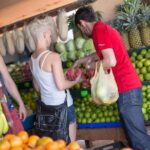
- Market Stop and Ingredient Choices: Flavor Starts Before the Stove
- Starter Skills: Fruit, Guacamole, and Tortillas
- The Middle Courses: Refried Beans, Sopes, and Enchiladas
- Dessert and Drink: Arroz con Leche and the Margarita
- Private Restaurant Time: Why Location Matters for Learning
- Price and Value: Is $79 a Good Deal?
- Who This Class Fits Best
- Practical Tips to Get More Out of Your Day
- Should You Book This Cancun Hands-On Mexican Cooking Class?
- FAQ
- What time does the Cancun Hands-On Mexican Cooking Class start?
- Where is the meeting point for the class?
- How long is the cooking class?
- Is the class offered in English?
- What’s included in the price?
- Are there vegetarian options?
- How many people are in the group?
- If I cancel, do I get a refund?
Key highlights to look forward to
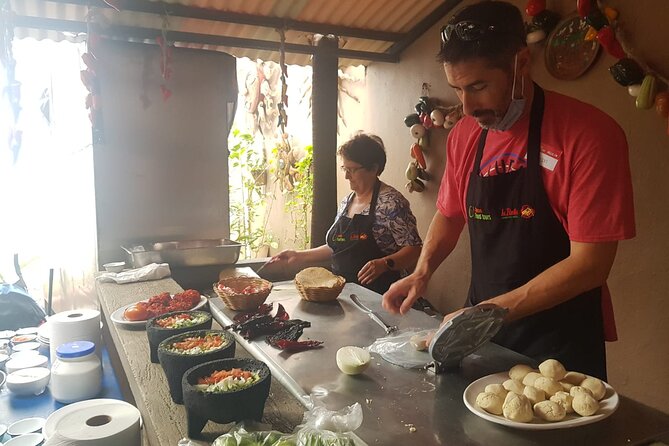
- 4-course meal you’ll build step-by-step, from savory starters to dessert
- Guacamole technique focused on avocado choice and getting pico de gallo balance right
- Tortillas and sopas practice so you understand the “base” behind a lot of Mexican dishes
- Fruit and tamales tasting that turns ingredients into a mini cultural lesson
- Small group size capped at 10 (so the instruction can stay personal)
- Margarita included while you sit down and eat what you made
How This Class Turns Lunch Into Real Kitchen Skills
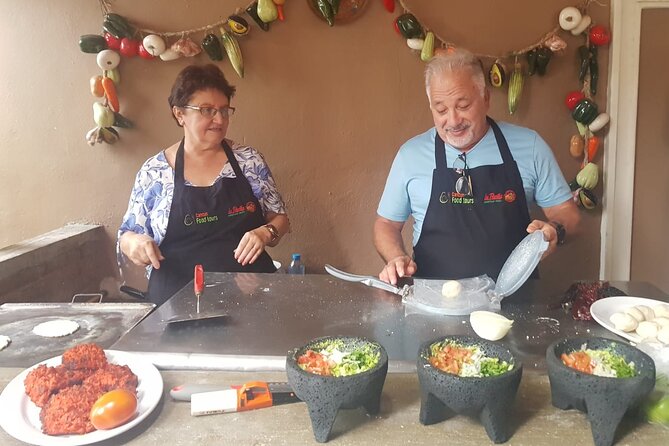
This isn’t one of those “watch for two hours, eat for five minutes” experiences. The goal here is practical: you learn how to put together classic Mexican flavors and methods, then leave with enough know-how to repeat them without guessing.
The format is built around a complete meal. You start with a fresh tasting, make classic starters, then move into two mains, and finish with a traditional dessert. The menu changes the focus from random dishes to a connected meal—so when you cook later, you understand how each part works with the others.
A big win for me is the teaching style implied by the way the class is described: it’s not just recipes, it’s technique. You get guidance on tools and on the “why” behind decisions, like when to add peppers so you get flavor even if you don’t want heat.
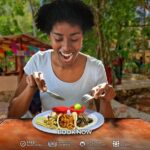
And yes, the margarita is part of the experience. You’re not just drinking while hungry—you’re eating the meal in the same sitting, which makes it feel like an actual local lunch, not a performance.
You can also read our reviews of more cooking classes in Cancun
Meeting Point and What That Means for Your Day
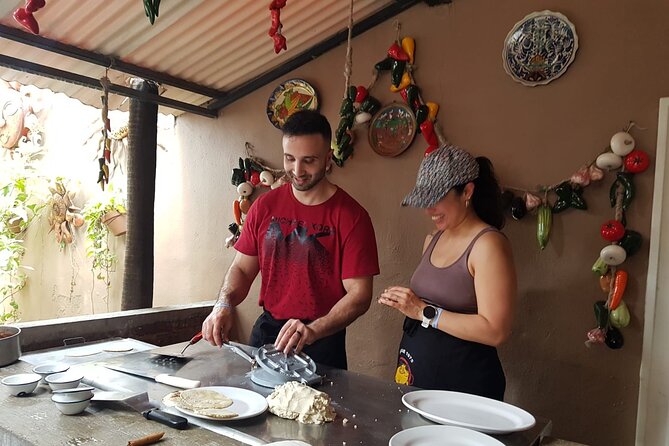
The class starts at 11:00 am. You meet at Cancun Food Tours at Av Yaxchilán 51, Centro, 77500 Cancún. It’s near public transportation, and you’ll use a mobile ticket.
Dress is smart casual. Think comfortable shoes and layers, because kitchens and restaurants can run warm—one guest noted it could get hot during the class.
The start time matters because it sets the tempo for everything after. If you’re hoping for an early market-style ingredient hunt, plan to ask before you go how your specific schedule will run. Some guests experienced the market portion differently depending on transport arrangements, so your best move is to confirm what your day includes before you arrive.
Market Stop and Ingredient Choices: Flavor Starts Before the Stove
One of the most valuable parts of this type of cooking class is the ingredient thinking. Mexican food isn’t just about spices—it’s about choosing the right chiles, produce, and textures for the job.
This experience is set up to connect you to that logic. The class description talks about Cancun local markets and about learning how to choose seasonal fruit and ingredients. In practice, this often means you may get time to look around and pick ingredients with your chef, learning what different chiles do and how Mexican cooks think about flavor.
Here’s the practical catch: market timing and transport can be a source of confusion. Some guests found that the market element depended on how their pickup was arranged, or that the market visit wasn’t fully built into the standard flow for their group.
So do this before your class day:
- Ask whether you’ll go to the market as part of your included experience.
- Confirm if you’re starting at the restaurant or going out first for ingredients.
- If you have dietary limits (like gluten-free), bring that up when you book so the chef can plan.
When the market leg is handled well, it changes how you cook at home. You stop treating Mexican recipes like complicated steps and start treating them like ingredient decisions.
Starter Skills: Fruit, Guacamole, and Tortillas
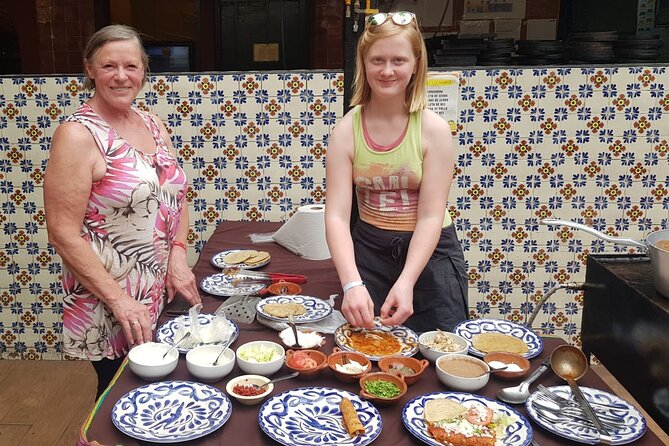
Your first course is seasonal fresh fruit tasting. This is more than a palate warm-up. It trains you to recognize that Mexican fruit can taste different depending on ripeness and what’s in season—and that choosing fruit is part of cooking, not just dessert.
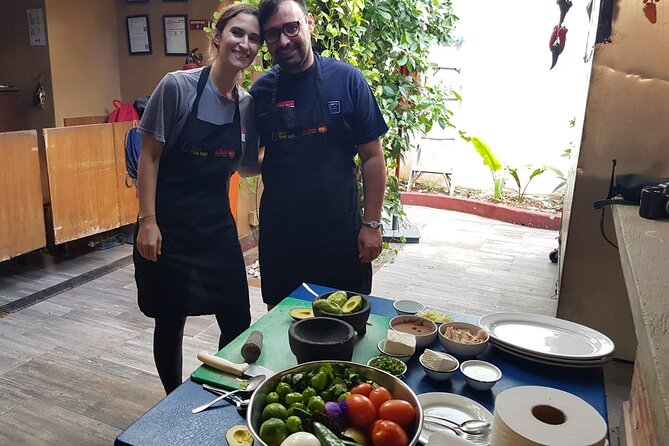
Next comes guacamole. This section is simple on paper, but tricky in real life. The class specifically calls out a key tip: how to select the perfect avocado for guacamole that you can use immediately. That one detail alone can make or break your guacamole—too hard and it’s unpleasant, too soft and it turns watery.
You’ll also work on pico de gallo as part of the appetizer. The point isn’t just chopping. It’s learning how to balance freshness, acidity, and salt so it tastes bright, not harsh.
Then you move to handmade tortillas, which is where this class earns its keep. Tortillas are the base for several Mexican dishes, and learning the process (even in a basic way) helps you understand why sopes and enchiladas aren’t just “recipes”—they’re built on structure. Tortilla-making teaches you texture control: thickness, flexibility, and how dough behaves.
Depending on your group and how the kitchen flow runs, you might do more than chopping. One helpful clue from the description is that the class focuses on tools and method, not only ingredients. Still, be aware that some guests reported their role leaned toward prep more than cooking. If you want heavy hands-on cooking, ask what portion of each dish participants typically prepare.
The Middle Courses: Refried Beans, Sopes, and Enchiladas
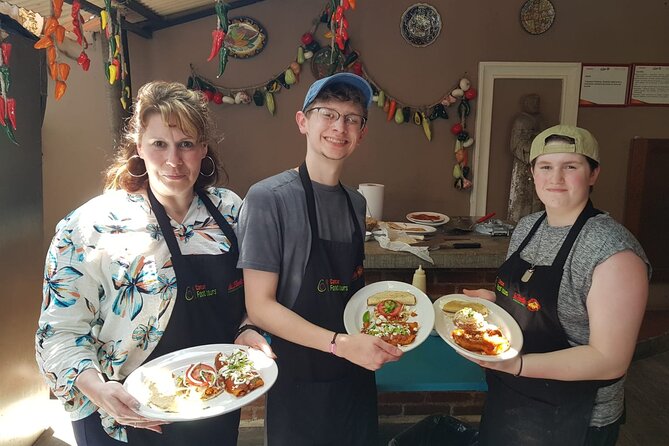
After starters, you go into the classic supporting cast: refried beans. Beans show up everywhere in Mexican meals because they add comfort, texture, and staying power. In a cooking class, they also teach technique—how heat and timing affect flavor depth.
Then comes one of the standout menu items: sopes. A sope is a thick corn base with toppings. This is where you learn that Mexican food isn’t always about heat first—it’s about balance of structure and topping. You’ll work with a corn base and choose stews and toppings that match it.
After that, you build enchiladas with chicken and sauce. The sample menu lists green or red sauce, then topping with cream, cheese, and onion. This is an excellent lesson target because enchiladas are where people often go wrong at home: sauce too thick or too thin, filling too dry, and toppings that don’t line up with the tortilla.
Even if you don’t chase spicy food, the class description makes an important promise: you’ll learn when and how to add peppers so you get flavor without turning the dish into a heat contest. That’s useful advice for real life—at home, you might have friends or family with different heat tolerance, and you want a sauce that tastes like Mexico rather than like burn.
You can also read our reviews of more tours and experiences in Cancun

Dessert and Drink: Arroz con Leche and the Margarita
Your dessert is arroz con leche, a traditional rice and milk pudding made with rice, milk, and sugar. This kind of course is the perfect end point because it shifts you from savory technique to comfort texture. If you’ve only had arroz con leche from restaurants, seeing how it comes together helps you understand why it’s creamy and not just sweet rice.
And then there’s the margarita included with your class. One of the small advantages of doing this as a structured class is that you’re eating what you made, in order. That makes the drink feel like part of the meal, not an afterthought.
If you’re sensitive to strong flavors, it’s still worth tasting. The benefit of the margarita is that you get a reference point for how Mexican drinks balance sweet, sour, and salt. You can later adjust at home, rather than guessing from bottled mixes.
Private Restaurant Time: Why Location Matters for Learning
The class is described as happening in a private cooking setting connected to Cancun’s top restaurant experience. That matters because you’re not squeezing into a crowded street setup. You’re able to cook with enough space for your station and enough quiet for instruction.
Several guests specifically mentioned the restaurant feel and the “private” vibe. That kind of setting usually means staff can keep the flow moving without chaos, and the chef can explain with less interruption. In a hands-on class, small factors like noise and counter space affect how much you retain.
There’s a practical side too: being in a restaurant environment often makes the after-meal experience smoother. You sit down and eat your work rather than chasing seats and waiting for plates. That keeps the class feeling like a complete outing.
One more small caution: knives. At least one guest called out that the knives weren’t sharp. You don’t need to become a chef, but dull knives can slow you down and make certain cuts harder. If you’re the type who loves cooking prep, you might want to mentally prepare for that.
Price and Value: Is $79 a Good Deal?
At $79 per person for about 3 hours 30 minutes, you’re paying for more than food. You’re paying for:
- An English-speaking local chef to guide technique
- A structured 4-course menu you assemble
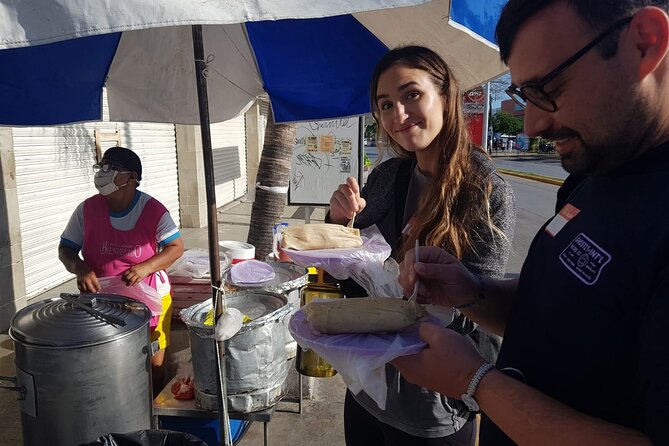
- Tastings included (fruit and tamales)
- A drink included (margarita)
If you tried to recreate this alone, the cost would come from ingredients and your time. And the missing piece would be the technique feedback—knowing when dough is ready, when sauce needs adjustment, or how to pick avocado so guacamole doesn’t turn out wrong.
Still, value depends on expectations. Some guests felt their role was more prep than full cooking, with only certain elements done fully by participants. If you want to leave with the confidence that you personally cooked most of each dish, clarify how hands-on participation works for your group size.
If you go in expecting an efficient, guided cooking lesson with tastings and a full lunch, the price makes sense. It’s basically a complete Mexican food day for one set fee.
Who This Class Fits Best
This tour is a great match if you want Mexico food that you can actually cook later. It’s also a strong fit if you like learning from real process: tortilla-making basics, building sopes and enchiladas, and finishing with a classic dessert.
You’ll probably enjoy it most if you:
- Cook at home sometimes and want more confidence with Mexican staples
- Prefer structured instruction over free-form “try everything” tasting
- Want a fun couple or solo activity that feels social but not huge
It can also work for families, since the class is designed to be understandable. Just note the kitchen environment and plan for comfortable clothing and hydration.
Vegetarians are catered for, with a vegetarian option available if you request it at booking. Some guests reported substitutions that weren’t exactly what they expected as a protein substitute, so if that matters to you, be specific when you book about what you consider a protein (for example, beans, dairy, or eggs, if those fit your diet).
Practical Tips to Get More Out of Your Day
These are the little things that help the experience land well.
- Eat lightly before you go. The event focuses on a full meal, and the day starts at 11:00 am. Don’t assume breakfast is included.
- Confirm your transport plan. If a market stop is part of your experience, know how you’re getting there and what timing you’re expected to keep.
- Bring comfort first. Smart casual and closed-toe shoes help, and a small layer is useful if the restaurant is cool but the kitchen area runs warm.
- Ask about allergies early. Some guests mentioned gluten-free accommodation, but you should confirm your needs when booking.
- If you’re serious about cooking, ask how much of each dish participants do. That way you can match your expectations to what the chef plans for your group.
Should You Book This Cancun Hands-On Mexican Cooking Class?
I’d book it if you want a structured Mexican cooking day in Cancun that ends with a real lunch, teaches multiple key dishes, and includes tasting plus a margarita. The 4-course format is ideal for learning what matters, not just trying a single recipe.
I’d hesitate only if you’re paying mainly to fully cook every dish end-to-end yourself, every minute of the class. If you care about that, confirm your exact level of hands-on participation before you go. Also verify whether your day includes the market ingredient time and how transport is handled.
If you like learning by doing—and you want the kind of skills that translate back home—this is a solid choice.
FAQ
What time does the Cancun Hands-On Mexican Cooking Class start?
The class starts at 11:00 am.
Where is the meeting point for the class?
You meet at Cancun Food Tours, Av Yaxchilán 51, Centro, 77500 Cancún, Q.R., Mexico.
How long is the cooking class?
It lasts about 3 hours 30 minutes.
Is the class offered in English?
Yes, it’s offered in English.
What’s included in the price?
It includes an English-speaking local chef/guide, food tasting, a 4-course hands-on cooking class, and a drink including a margarita.
Are there vegetarian options?
Yes, a vegetarian option is available. You should advise the provider when booking.
How many people are in the group?
The tour has a maximum of 10 travelers.
If I cancel, do I get a refund?
You can cancel for a full refund if you cancel up to 24 hours in advance of the experience start time. If you cancel less than 24 hours before, the amount paid is not refunded.