REVIEW · CANCUN
PADI Open Water Diving Certification Course Activity
Book on Viator →Operated by Coconut Divers · Bookable on Viator
One word: underwater art. This PADI Open Water course in Cancun mixes classroom prep with hands-on skills and sea time that takes you to MUSA.
I like that you get scuba equipment included, so you can focus on learning instead of hunting gear. I also like the small-group setup (max 4), which makes it easier to ask questions and move at a comfortable pace.
One thing to consider: it’s weather-dependent, so rough conditions can affect what day you go out.
In This Review
- Key highlights worth planning for
- PADI Open Water in Cancun: what this course actually gives you
- Entering the course flow: theory, pool skills, then sea time
- MUSA Underwater Museum of Art: art you can see while training
- Isla Mujeres from the water: adding a second flavor to your sea day
- Small-group coaching at Coconut Divers (max 4)
- Gear and comfort: included scuba gear, wetsuit is extra
- Price and value: what $559 covers (and what to budget)
- Weather and safety: the one variable you can’t control
- Medical and participation checks before you book
- Who this course fits best (and who should consider alternatives)
- Should you book Coconut Divers for this PADI Open Water course?
- FAQ
- What certification will I earn?
- How long is the course?
- Where is the meeting point, and what time does it start?
- What’s included in the price?
- What costs are not included?
- How many people are in the group?
- What happens if weather is bad?
- Is free cancellation available?
Key highlights worth planning for
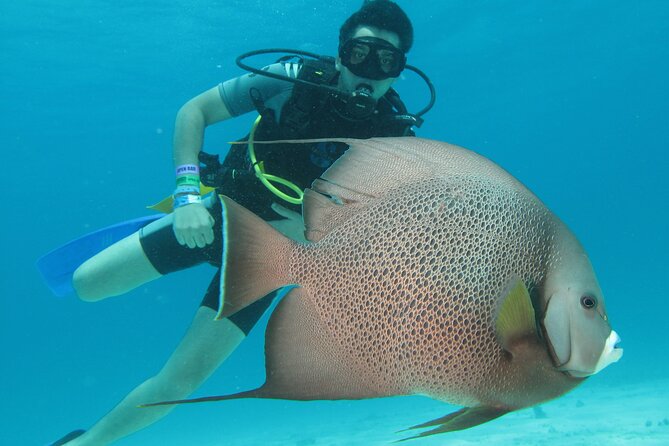
- MUSA sea visit: You’ll include the Underwater Museum of Art as part of your course sea sessions
- All your scuba gear is included: You handle learning, not rentals
- Small group size (max 4): More hands-on attention from the instructors
- English instruction: Theory and guidance are offered in English
- Two-day rhythm: Theory + pool practice first, then sea sessions to finish the certification steps
PADI Open Water in Cancun: what this course actually gives you
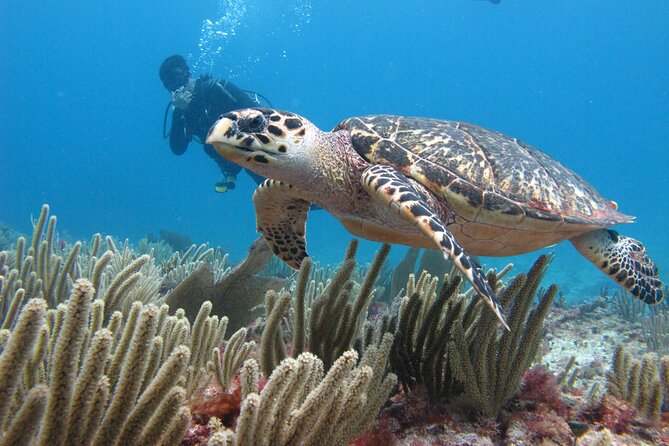
If you’ve ever watched ocean videos and thought, I want to feel that for myself, this is the practical path. The PADI Open Water Diver course is designed to take you from basic understanding to safe, confident independent diving with a buddy to 18 meters / 60 feet—which is the big promise on paper.
In Cancun, that promise comes with a mix that works: a little time to learn the why, a little time to practice the how, then a series of open-water sessions that build your comfort. What makes this specific course feel more usable is the structure. You’re not just dropped into the ocean. You’re guided through theory, skills practice in a pool, and then several sea sessions out of Coconut Divers’ meeting point at Hotel and Marina Sotavento.
Also, the course is offered in English, which matters more than people think. When scuba skills get taught in a language you can follow quickly, you don’t lose confidence halfway through. The goal is clear: you should finish knowing what to do underwater, not just having completed checkboxes.
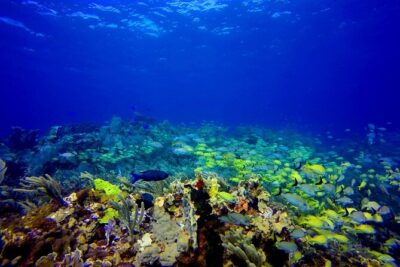
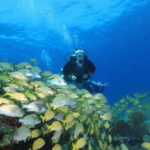
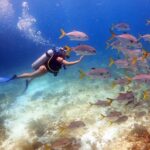
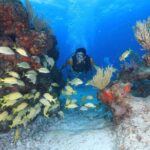
And yes, you also get a very photogenic setting. Part of your sea time includes the Underwater Museum of Art (MUSA), which gives the course an extra layer beyond basic training.
You can also read our reviews of more scuba diving tours in Cancun
Entering the course flow: theory, pool skills, then sea time
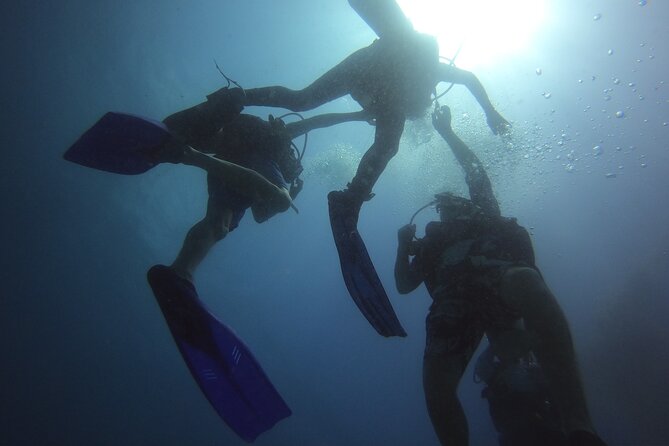
Here’s how the learning usually lands with this kind of PADI Open Water setup: the first day helps your brain catch up, the pool helps your hands catch up, and the ocean helps your nerves catch up.
You’ll get PADI materials, plus theory and pool class as part of the package. That matters because scuba is a skill sport. You’re learning procedures—how to breathe calmly, how to handle equipment, and how to think through what to do if something feels off.
Then come the open-water parts. Your included program has 4 ocean sessions, and these are explicitly tied to the Underwater Museum of Art (MUSA) as part of the experience. In plain terms: you get multiple chances to apply the skills you practiced, with real water conditions in the Caribbean.
A practical note for your expectations: open water can feel different than a pool even if you’re doing everything right. The course format is built to reduce that shock by repeating essentials over multiple sessions. That repetition is where confidence comes from.
MUSA Underwater Museum of Art: art you can see while training
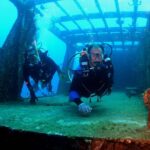
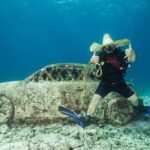
You’ll spend part of your sea time exploring the Museo Subacuático de Arte (MUSA). Even if your main goal is certification, this stop changes the tone of the day.
Basic training is already cool because you’re going underwater safely and under supervision. MUSA adds a different kind of motivation. Instead of only thinking about skills, you can also look around at what’s underwater. That shift helps a lot. When your attention can spread to scenery, you often stay calmer and more present.
Is there any drawback? There’s always a pacing reality with attractions at sea. You’ll still be focused on safety and course tasks. If you’re hoping for long, relaxed sightseeing time with no training pressure, temper that expectation. This is still a learning course. But including MUSA means your training day has something memorable built into it.
If you’re a first-timer, this is a smart match: it makes the experience feel special while you’re still learning the fundamentals.
Isla Mujeres from the water: adding a second flavor to your sea day
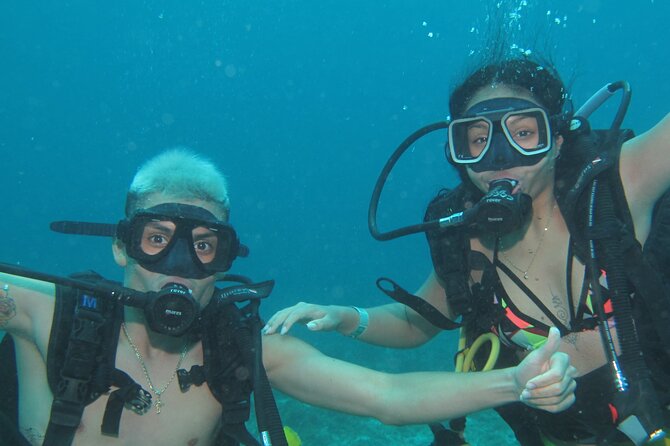
Your itinerary also includes Isla Mujeres. That’s the second big sea stop, and it helps keep the course from feeling repetitive.
From a training standpoint, different locations can feel different. Current, visibility, and surface conditions can vary. Even when your instructor is teaching the same core skills, your brain gets a better sense of how underwater conditions change. That helps you build the kind of adaptability that makes the certification meaningful.
From an experience standpoint, Isla Mujeres adds variety. The goal isn’t just finishing the course—it’s leaving Cancun with an underwater memory you want to share later.
The only consideration: since the whole program is weather-dependent, your ability to make every stop on your preferred schedule depends on conditions. When weather cooperates, you get both MUSA and Isla Mujeres as planned. If not, the operator is set up to adjust with alternative dates or refunds (details are covered in the FAQ).
Small-group coaching at Coconut Divers (max 4)
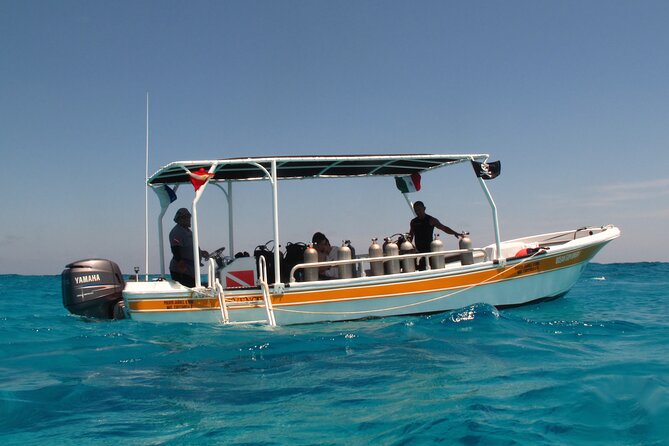
This course is capped at 4 travelers. That small group size is one of the most valuable parts of the offering.
Why? Because scuba is a skill where questions matter. You want to ask quick clarifications before they turn into confusion. With a larger group, your instructor time gets stretched. With a max-4 group, you’re more likely to get direct attention when you need it.
You’ll also get a setting that feels less rushed. If you’re the type who absorbs better by talking through steps, you’ll probably like the pace.
There’s also a positive English-language advantage. One experience note you might hear about this operation is that instructors can speak clear English. If you’re anxious about understanding terminology or safety instructions, that’s a comfort factor worth considering.
In at least some sessions, instruction and crew may involve names like Manuel (instructor) and Ulysses (another instructor), and the boat may be run by Captain Ricardo. You may also have photo support from Poncho. Even if your exact team differs, the key takeaway is the same: you’re not just watching from the sidelines—you’re learning with people who communicate clearly.


Gear and comfort: included scuba gear, wetsuit is extra
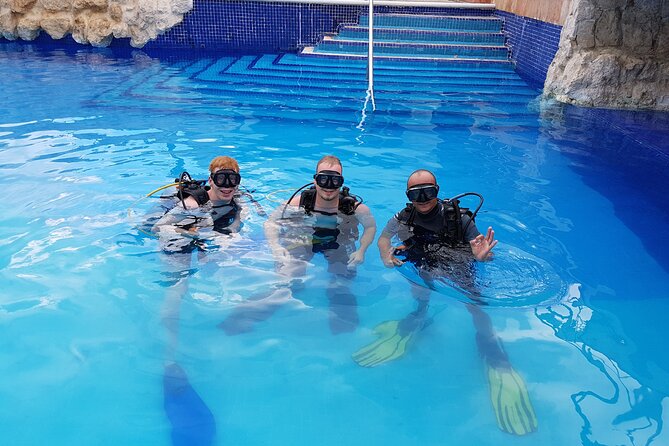
Good news: use of scuba equipment is included. That’s a big value point. Renting gear can add stress—especially if you’re new to scuba and you’re not sure what fits, what feels normal, and what adjustments you should make.
The program includes scuba gear for your course requirements, so you can concentrate on learning technique and feeling comfortable with the equipment you’ll use.
What’s not included is the wetsuit rental: listed at $10 per person. That means you should plan for a small extra cost if you want or need one.
Also note this matters in Cancun. The water can be warm, but comfort is personal. If you get cold easily, budgeting for the wetsuit is worth it.
The course site also provides practical space for your belongings—there’s a safe place for personal belongings and storage for gear. That sounds minor until you’re hauling bags and trying to keep day-to-day items organized before you head out.
Price and value: what $559 covers (and what to budget)
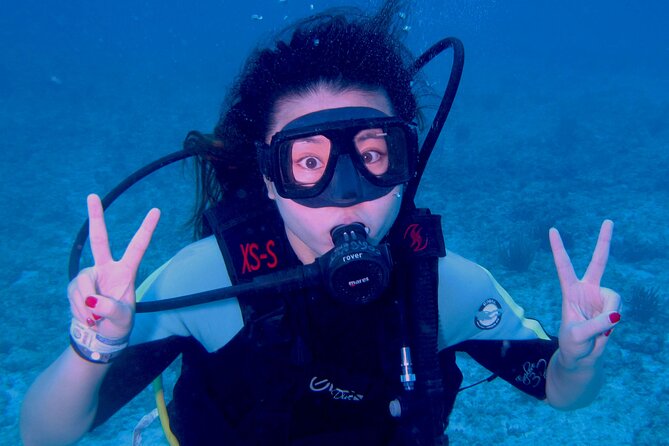
The course price is $559 per person for about 2 days. For a lot of people, the key question isn’t just the sticker price—it’s what you don’t have to pay extra for.
Here’s what’s included:
- PADI materials
- Theory and pool class
- 4 ocean sessions
- Scuba equipment
- PADI Open Water Certification, valid lifetime worldwide
That’s a lot bundled together. When scuba training includes your main equipment and the teaching components, the value is usually stronger than it seems at first glance.
What’s not included:
- Government fees: $20 per person
- Wetsuit rental: $10 per person (if you choose/need it)
So in realistic terms, you’re looking at about $559 + $20, plus possible $10 for a wetsuit. Many people end up paying that total range unless they already have their own wetsuit. It’s a clean, transparent setup.
One more practical value detail: this experience is typically booked about 8 days in advance on average. If you’re traveling soon, don’t wait until the last minute—especially if you want the schedule that fits your overall Cancun plan.
Weather and safety: the one variable you can’t control
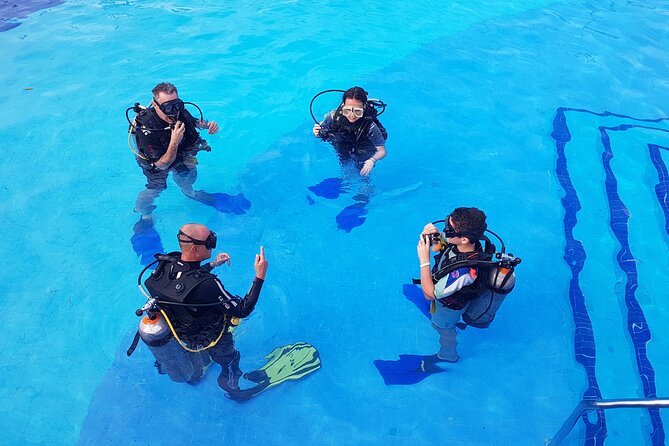
Scuba training depends on water conditions. This experience explicitly requires good weather.
If weather is poor, you’ll be offered either a different date or a full refund (see FAQ). That’s how you protect your time and your money. It also means you should build your Cancun itinerary with flexibility in mind. If you’re the type who has zero slack days, consider planning your certification for a window where a schedule change won’t break your trip.
If you’re worried about seasickness or rough conditions, that’s a totally fair consideration. One course experience noted that a student was concerned about rough seas and schedule changes, and everything still went off without a hitch. Still, the honest point is: weather can change, and the operator’s policies are designed for that reality.
Medical and participation checks before you book
The activity lists several health categories as considerations: diabetes, asthma, high or low blood problems, and recent surgeries. It also notes under 10 years old as a limitation.
If any of those apply to you, don’t guess. Ask the provider what medical clearance is required for your situation and what documentation they need. Scuba has safety procedures, and getting this right early prevents problems later.
Also, it lists that most travelers can participate, which is reassuring. But for first-timers, it’s smart to treat this like a serious sport: if your doctor has concerns, follow that advice.
Who this course fits best (and who should consider alternatives)
This is a great fit if:
- You want a legit certification (not just a one-day taste)
- You want instruction in English
- You like the idea of small group attention (max 4)
- You’re excited by the idea of seeing MUSA as part of training
- You want your course to feel structured: theory → pool → multiple sea sessions
It might be less ideal if:
- Your schedule is extremely tight and non-changeable
- You dislike any weather uncertainty (because the experience depends on conditions)
- You’re looking for a purely sightseeing day rather than a guided certification course
In other words: book this for learning and confidence-building. If you want that, you’ll probably leave happy.
Should you book Coconut Divers for this PADI Open Water course?
I’d say book it if you want a practical start to scuba with real structure: included gear, theory and pool training, and four sea sessions with time at MUSA and Isla Mujeres. The small-group max of 4 is a meaningful quality signal because it usually means you get more instructor attention when you need it.
If weather uncertainty scares you, plan the course into a flexible part of your trip. Also budget for the extra costs: the government fee and potential wetsuit rental.
Bottom line: for the money, this looks like a solid, straightforward way to earn your PADI Open Water certification in Cancun—while still getting an experience that feels more interesting than a basic checklist.
FAQ
What certification will I earn?
You’ll earn the PADI Open Water Certification, valid lifetime worldwide.
How long is the course?
It’s listed as 2 days (approx.).
Where is the meeting point, and what time does it start?
The meeting point is Coconut Divers Hotel and marina Sotavento, Blvd. Kukulcan Km 4.0, Zona Hotelera, Cancún, Q.R., Mexico. The start time is 8:00 am.
What’s included in the price?
Included: PADI materials, theory and pool class, 4 ocean sessions (including the Under Water Museum of Art), and use of scuba equipment.
What costs are not included?
Not included: government fees ($20 per person) and wetsuit rental ($10 per person).
How many people are in the group?
This activity has a maximum of 4 travelers.
What happens if weather is bad?
This experience requires good weather. If it’s canceled due to poor weather, you’ll be offered a different date or a full refund.
Is free cancellation available?
Yes. You can cancel for a full refund up to 24 hours in advance of the experience start time.