REVIEW · CANCUN
Two Tanks Scuba Diving for Beginners in Cancun
Book on Viator →Operated by A' HA' Scuba Diving · Bookable on Viator
Your first scuba day ends with two underwater worlds.
This Cancun experience pairs pool practice with an early start, so you can go from first-timer nerves to calm buoyancy. I also like that it’s built for a small group (max 8), which means more eyes on you when it matters.
What really makes it feel like good value is the plan: you get two different underwater sites in one morning, first at MUSA and then at Manchones Reef. You’re not just borrowing gear—you’re taught how to use it, with included basics like BCD, regulator, mask, fins, and a wetsuit.
The main catch is safety rules. If you can’t swim well or you don’t meet the medical requirements, you may be unable to participate, and there’s no refund if you can’t complete the water skills.
In This Review
- Key things that make this a strong beginner option
- Two tanks and two sites: what the morning is really like
- Price and value: why $169 feels fair for what’s included
- Getting there: Hotel Sotavento Cancun meet-up and timing
- Before anything underwater: medical form, theory, and pool practice
- MUSA Underwater Museum: statues that change the vibe fast
- Manchones Reef: your second session and a wildlife hunt
- Gear, wetsuit, and boat comfort tips that actually help
- Safety first: instructor coaching and how nerves get handled
- What you’ll see: fish, turtles, and a few memorable surprises
- Who should book this, and who should skip it
- Final call: should you book this Cancun beginner scuba experience?
- FAQ
- How long does the Two Tanks beginner experience take?
- What do I do before the open water?
- What sites are included for the two tank sessions?
- What scuba gear and clothing are included?
- Do I need to know how to swim?
- Who is eligible to participate and who cannot?
- What age range is allowed?
- Is there a refund if weather is bad or plans change?
Key things that make this a strong beginner option
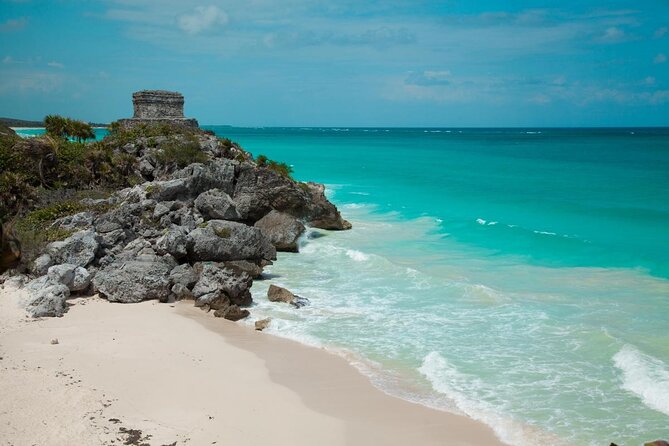
- Two-tank format in one morning: one training flow, then two separate underwater experiences
- Small group size (max 8): more hands-on attention during skills and while you’re in the water
- MUSA Underwater Museum + Manchones Reef: mix of cultural statues and wildlife-focused reef life
- Pool theory + pool skills before the boat: you practice basics first, not cold-start in open water
- Motion-sickness and comfort tips are part of the plan: staff guidance plus sensible prep advice
- Photo/video add-on available: optional keepsakes if you want backup to your own camera
Two tanks and two sites: what the morning is really like
This is a classic “learn fast, stay safe” beginner setup. The flow starts on land with paperwork and training, then you move to two underwater locations on the same trip, ending back at the same meeting point around early afternoon.
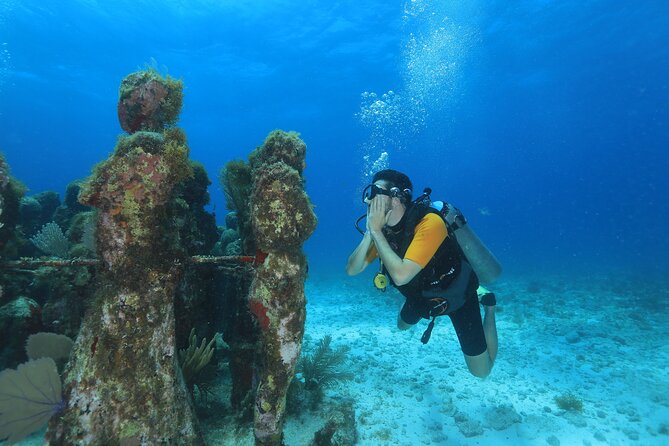
What I like about doing two sites is the contrast. MUSA Underwater Museum gives you that “how is this possible?” feeling with underwater sculptures that become fish habitat over time. Then Manchones Reef shifts the mood toward reef life—more chance for animal spotting and natural coral texture.
For a first experience, this structure works because you get to practice skills in a controlled setting before you’re responsible for them in open water. If you’re new, that matters more than most people expect. You’re not trying to “wing it” once the boat stops.
You can also read our reviews of more scuba diving tours in Cancun
Price and value: why $169 feels fair for what’s included
At $169 per person, you’re paying for more than just tank time. The value comes from the package: the training block (theory + pool skills) plus two tank sessions plus full equipment and a wetsuit.
In plain terms, you’re covering three big cost areas:
- instruction time (theory and hands-on coaching)
- gear rental and fitting
- the boat trip and staff support at two sites
Photo/video services cost extra, so if you’re watching your budget, you can skip that. But if you’ve never done this before, having an outside camera catching your best angles can be a nice confidence boost—especially if you’re focused on breathing, hand signals, and staying horizontal instead of pointing a camera.
Getting there: Hotel Sotavento Cancun meet-up and timing
You meet at Hotel Sotavento Cancun (Km. 4, Blvd. Kukulcan, Zona Hotelera) at 8:00 a.m. Check-in happens first, then you’ll be on the move toward the water by boat schedule. The boat departure is listed for around 9:30 a.m., and you’ll return around 1:00 p.m.
That timing is practical. It’s early enough to feel like a real activity day, but not so long that you lose half of your vacation to transportation and waiting. It also helps with comfort because the day doesn’t drag on while you’re still nervous about your first underwater session.
You’ll also want to plan your “what to bring” list for morning comfort:
- ID (required)
- swimsuit and towel
- anything you personally rely on for bathroom/comfort needs
And because it’s by boat, I’d treat seasickness prep as part of your packing, not an afterthought.
Before anything underwater: medical form, theory, and pool practice
This trip begins with a medical questionnaire about your health. The rules are strict for safety: people with asthma, heart or brain problems, high blood pressure, lung lesions, organ transplant, diabetes, epilepsy, or surgery less than 1 year cannot participate.
Then you get a basic theory lesson, followed by pool practice where you learn scuba basics and perform the required water skills with a qualified instructor. The staff clearly ties the training to real safety. You’re not just watching and listening—you’re doing the motions so your body knows what to expect when you’re underwater.
A key detail: you must know how to swim. If you can’t perform the water skills, the operator notes there’s no refund because the service can’t proceed safely.
My advice: if you’re even a little unsure, take the pool part seriously. That’s where you build the muscle memory that makes the open water feel manageable instead of scary.
MUSA Underwater Museum: statues that change the vibe fast
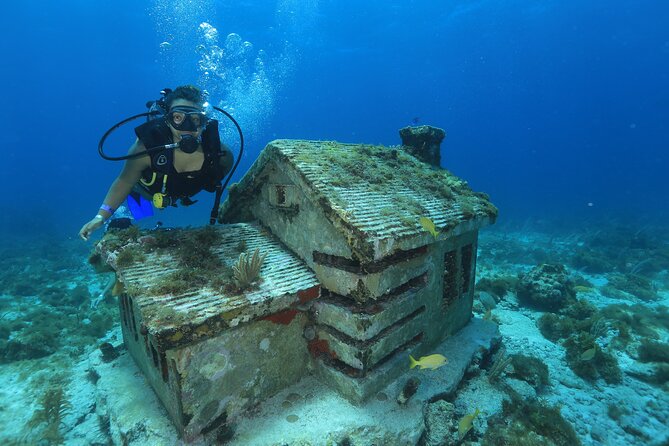
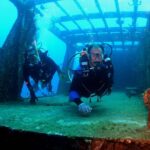
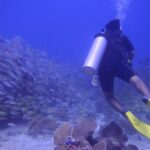
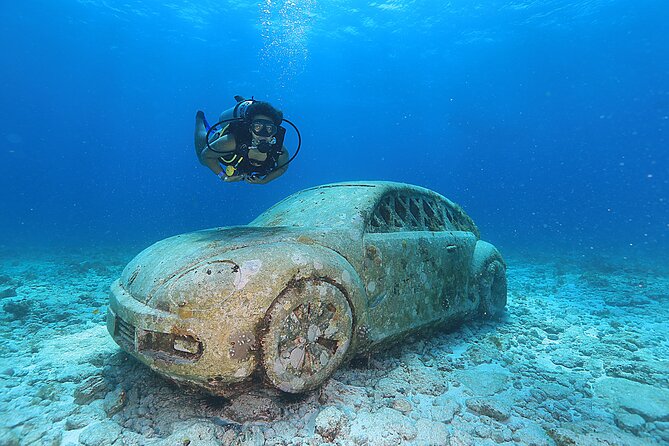
MUSA is your first tank session. The big idea is simple: you’re underwater among sculptures, and they quickly become part of the ecosystem. For beginners, it’s a helpful site because the visual anchors make it easier to orient yourself, even when you’re still getting used to buoyancy and hand signals.
From what people highlight, the museum stop tends to deliver that “wow” moment without requiring advanced navigation. You look around, slow down, and let the surroundings do the talking—statues up close, fish moving through, and the sense that you’re inside a strange new world.
You may also see staff guiding you to wildlife, not just the sculptures. One guide is known for actively pointing out life near rocks with a flashlight when visibility or the creature location demands it. That kind of attention turns a museum into a living classroom.
Downside to keep in mind: underwater museums can feel visually crowded at times (so you might want to focus on one area at a time). Also, you’re there to learn and breathe well, so don’t push yourself into “chase mode” right away.






Manchones Reef: your second session and a wildlife hunt
Your second tank session is at Manchones Reef. This is the shift from cultural statues to more natural reef habitat. The experience is still beginner-friendly in format, but the feel changes because reef life tends to be less predictable than a statue set piece.
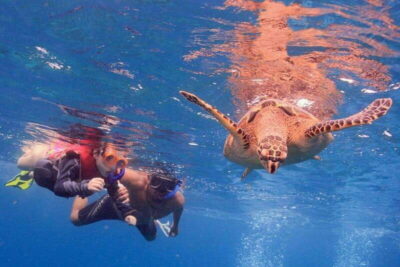
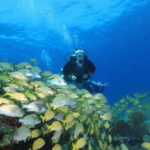
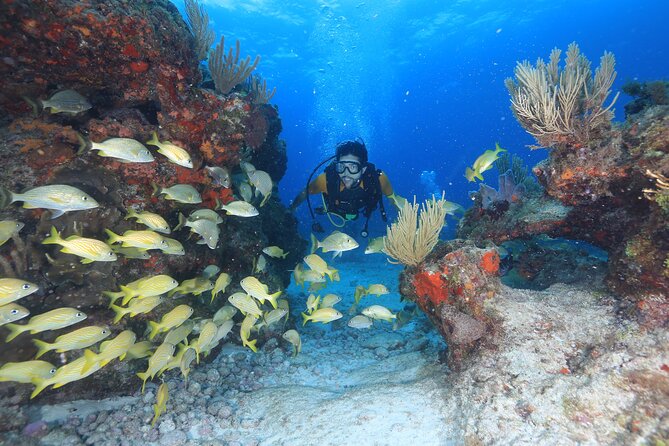
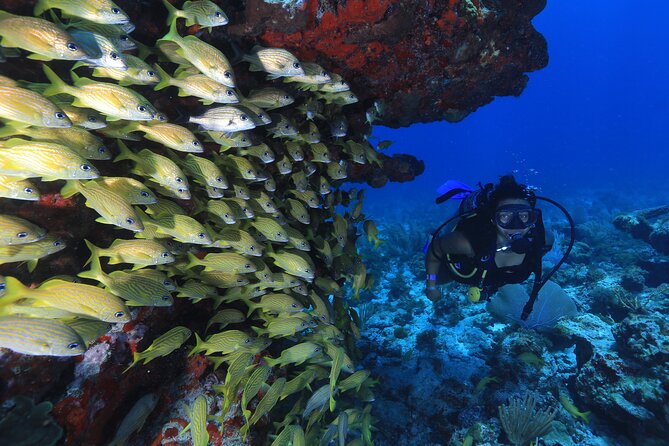
People commonly mention spotting animals like sea turtles and sting rays, plus surprises such as octopus, lobsters, and schools of tropical fish. I’d frame this as a wildlife-forward stop: you’ll likely spend more time scanning for motion, texture, and movement patterns than for a specific landmark.
It also benefits beginners because by the time you reach the second site, you’ve already done one underwater experience. Your body is more familiar with the routine. Even if nerves show up, you usually have a clearer sense of how your gear feels and how breathing should sound and feel.
Tip: stay calm and slow. Reef animals respond to your pace. If you hover and move gently, you’ll often get better viewing than if you dart around.
Gear, wetsuit, and boat comfort tips that actually help
Everything scuba-related is included: BCD, regulator, mask, fins, and wetsuit. That’s a big deal for first-timers. You’re not hunting for a rental that fits, and you’re not spending your energy figuring out unfamiliar equipment.
The wetsuit is especially important in Cancun’s water comfort range. Even if the water doesn’t feel cold at first, you’ll feel the difference once you’re underwater longer.
Two comfort tips to take seriously:
- Motion sickness: the operator suggests anti-nausea pills 1–2 hours before boarding. Even if you don’t usually get sick, it’s smart. Boats + your first “not moving much” body position can change how your stomach reads the day.
- Sunblock rules: sunscreen/sunblock is not allowed for coral protection. So bring what you need, but don’t plan on applying lotion right before entry. Wear clothing/hat for surface sun if you’re concerned.
For on-boat sanity, bring a plan for keeping your stuff dry. One practical recommendation you’ll hear from people: store belongings at the beginning of the trip or use a waterproof sack.
Safety first: instructor coaching and how nerves get handled
The safety approach here isn’t just rules on paper. It’s built into the schedule: medical screening, theory, pool skills, and then guided underwater sessions with experienced staff.
The group size helps. With a maximum of 8 people, you’re less likely to feel lost in a crowd. You can also ask questions without feeling like you’re talking to the wall.
What stands out from the training vibe is that instructors balance seriousness with humor. Names you may meet include Marin, Carolina, and Lorena. Multiple people describe them as patient, attentive to body language, and quick to adjust when someone panics or feels overwhelmed.
If you tend to get anxious, this kind of coaching matters. Panic underwater usually comes from uncertainty, not from the ocean itself. Pool practice reduces that uncertainty. And once you’re in the water, hand signals and constant check-ins keep you from guessing.
Also, don’t ignore the “you can’t do this” checklist. If you can’t meet medical requirements or you can’t swim well, the safest choice is to skip this format.
What you’ll see: fish, turtles, and a few memorable surprises
Beginner scuba isn’t just about technique. It’s about watching life work at a different pace.
Based on what people report, Manchones Reef can bring chances to see turtles and sting rays. Some groups also mention octopus, puffer fish, and eels. At MUSA, expect fish activity around structures, and the feeling of underwater sculpture as a habitat rather than a display.
A nice detail: some participants mention extra support beyond standard instruction, like small comfort items (water, basic blister care, and snacks). That kind of care doesn’t sound glamorous, but it helps when you’re already focused on learning something new.
If you bring your own action camera, great. But remember: you can’t manage camera work, breathing, and skills all at once as a first-timer. If you want a more relaxed experience, the optional photo/video package can be worth considering.
Who should book this, and who should skip it
This is a strong fit if you want a first-timer experience that includes training time before you’re underwater. You’ll like it if:
- you can swim well
- you want to learn basic scuba skills in a structured way
- you prefer a smaller group and more personal attention
- you’re excited by both an underwater museum and a reef stop
It’s not a fit if:
- you have any of the medical conditions listed in the eligibility rules (asthma, heart/brain issues, high blood pressure, lung lesions, organ transplant, diabetes, epilepsy, or recent surgery under 1 year)
- you can’t complete required water skills during pool practice
- you’re expecting full certification training
Age limits also matter: children must be at least 10, and the maximum age is 65. And the schedule expects “moderate physical fitness,” which is typical for boat days plus equipment adjustments.
Final call: should you book this Cancun beginner scuba experience?
I’d book it if you want a clear path from first-time nerves to two real underwater encounters—without spending your trip figuring out equipment and basics on the fly. The combo of pool practice, small-group support, and two distinct sites (MUSA + Manchones Reef) is exactly what makes this feel like more than a quick tourist activity.
I would pause and rethink if you’re not confident swimming, you don’t meet the medical rules, or you get easily overwhelmed by water skills. In that case, it’s better to address those barriers first rather than count on luck.
If you do book, show up early, take the pool training seriously, and treat seasickness prep as normal. The staff (with names like Marin, Carolina, and Lorena) are set up to guide you through the learning curve.
FAQ
How long does the Two Tanks beginner experience take?
The activity is about 5 hours total. Check-in is at 8:00 a.m., the boat departs around 9:30 a.m., and you’re back around 1:00 p.m.
What do I do before the open water?
You complete a medical questionnaire, then get a basic theory lesson and pool practice. You perform the required scuba skills in the water with an instructor before going to the dive sites.
What sites are included for the two tank sessions?
You’ll do one underwater session at MUSA Underwater Museum and a second at Manchones Reef.
What scuba gear and clothing are included?
Full SCUBA equipment is included (BCD, regulator, mask, and fins) plus a wetsuit.
Do I need to know how to swim?
Yes. The experience notes that participants must know how to swim.
Who is eligible to participate and who cannot?
The experience lists medical conditions that prevent diving, including asthma, heart or brain problems, high blood pressure, lung lesions, organ transplant, diabetes, epilepsy, and surgery within the past year.
What age range is allowed?
Children must be at least 10 years old, and the maximum age allowed is 65.
Is there a refund if weather is bad or plans change?
Cancellation is free up to 24 hours in advance for a full refund. If the activity is canceled due to poor weather, you’ll be offered another date or a full refund.